Life Sciences Brand Development: Building a Strong Brand Identity in the Life Sciences Industry – Key Strategies and Best Practices
Successful life science brand development is no longer optional—it’s essential for building trust, credibility, and long-term growth. Effective life sciences branding combines strategy, compliance, and digital execution to help biotech and pharmaceutical companies stand out. Whether you’re working on a life science brand strategy, biotech brand development, or pharmaceutical brand building, consistency and innovation are key.
In the highly competitive and specialized field of life sciences, brand development plays a crucial role in shaping how a company is perceived by its audience. Whether you’re a well-established organization or an emerging startup, having a strong and cohesive life sciences brand helps build trust, drives business growth, and sets you apart from competitors.
Effective life sciences branding goes beyond logos and slogans; it encompasses the entire identity of a company, including its mission, values, and how it communicates its expertise. This is particularly important in a sector where credibility, compliance, and innovation are key.
In this blog, we will explore the core focus areas of the life sciences industry that are vital for developing a successful brand, such as branding for the life sciences, understanding life sciences commercial and brand teams, and implementing a comprehensive life sciences brand & commercial strategy. We will provide insights, strategies, and best practices to help life sciences companies strengthen their brand identity and thrive in this complex industry.
Understanding the Unique Branding Challenges in Life Sciences
Branding in the life sciences industry presents a set of unique challenges that go beyond those found in other sectors. Unlike traditional consumer products, life sciences companies operate in a complex environment where scientific innovation, regulatory compliance, and ethical considerations play a significant role. As a result, developing a life sciences brand requires a strategic approach that addresses these complexities while effectively communicating the company’s value and mission.
One of the main challenges is the need for regulatory and ethical compliance. Companies in the life sciences field must adhere to strict regulations that govern how they market their products, communicate their research, and present their brand to the public. This necessitates a tailored approach to branding for the life sciences, ensuring that all marketing efforts are not only compelling but also compliant with industry standards and ethical guidelines.
Furthermore, the core focus areas of the life sciences industry—such as pharmaceuticals, biotechnology, medical devices, and healthcare services—each come with their own set of branding nuances. For instance, a pharmaceutical company may focus on trust and safety, while a biotech firm might emphasize innovation and scientific breakthroughs. Understanding these distinctions is critical for creating a brand strategy that resonates with the target audience and aligns with the company’s specific area within the life sciences sector.
In essence, life sciences companies must build brands that not only stand out in a crowded marketplace but also convey credibility, expertise, and compliance. This balance between marketing creativity and regulatory adherence is at the heart of effective life sciences brand development.
Defining Core Brand Values and Mission
A well-defined life sciences brand and commercial strategy serves as the foundation for any successful company in this sector. It provides direction, sets expectations, and ensures that all marketing and communication efforts are aligned with the company’s core identity. This is especially crucial in the life sciences industry, where brand credibility is often built on trust, expertise, and ethical considerations.
At the heart of effective life sciences brand development are clear brand values, mission, and vision. A strong brand mission articulates what the company stands for, its purpose, and the value it delivers to its audience. The values define the guiding principles that shape the company’s behavior, while the vision provides a long-term outlook on what the brand aims to achieve. Together, these elements create a cohesive brand identity that resonates with stakeholders, from investors to customers, and even within the internal team.
For life sciences companies, defining these core values is more than just a marketing exercise—it’s about conveying a commitment to quality, safety, and ethical practices. Companies that successfully align their life sciences brand and commercial strategy with their mission can build trust and loyalty among their audience, ultimately driving long-term growth.
Examples of Successful Life Sciences Branding:
- Johnson & Johnson – With a mission to “improve the health and well-being of people around the world,” Johnson & Johnson has established itself as a trusted name in healthcare. Their core values emphasize patient safety, scientific excellence, and ethical business practices, which are consistently reflected in their branding and communication strategies.
- Genentech – Known for its pioneering role in biotechnology, Genentech’s brand mission focuses on “transforming the lives of people with serious illnesses.” By positioning itself as an innovative leader in biotech, the company has built a strong brand identity around scientific breakthroughs, research excellence, and a patient-centered approach.
- Pfizer – Pfizer’s mission to “deliver breakthroughs that change patients’ lives” drives their commercial strategy and brand positioning. Their commitment to innovation and transparency is evident across all their marketing efforts, from educational campaigns to social responsibility initiatives, reinforcing their brand values.
These companies excel in life sciences branding because they have established clear missions that align seamlessly with their commercial goals. Their brands are not just about selling products; they are about making a difference in the lives of patients, which is communicated consistently through their branding strategies.
Establishing a Consistent Brand Identity
Consistency is a critical element of life sciences brand development. Maintaining a uniform brand identity across all platforms—whether it’s digital marketing, product packaging, or internal communications—helps build trust, recognition, and credibility. For companies in the life sciences sector, a consistent brand can convey reliability and professionalism, which are essential qualities when dealing with sensitive areas like healthcare, biotechnology, and pharmaceuticals.
A consistent life sciences brand ensures that your audience experiences the same message, tone, and visual identity across all touchpoints. This coherence not only strengthens brand recognition but also reinforces the values and mission of the company, making it easier for stakeholders to connect with the brand on a deeper level.
Tips for Creating a Cohesive Life Sciences Brand and Commercial Strategy:
- Develop Clear Brand Guidelines: Start by creating a detailed brand style guide that outlines all elements of your brand identity, including logo usage, color schemes, typography, and imagery. Additionally, include guidelines on brand voice and messaging, so your team knows how to communicate effectively and consistently across various platforms.
- Consistent Visual Identity: Ensure that all marketing materials, from brochures to websites and social media graphics, follow the same visual style. Consistent use of colors, fonts, and imagery helps to create a recognizable and trustworthy life sciences brand that stands out in a competitive market.
- Unified Messaging and Tone: Your brand’s tone should reflect its core values and mission. Whether you’re creating content for social media, writing press releases, or developing educational materials, the messaging should consistently convey the brand’s purpose and values. This is particularly important for life sciences commercial and brand teams to ensure their communication resonates with the target audience.
- Centralize Brand Management: Consider using digital asset management tools to centralize all brand assets and marketing materials. This ensures that everyone in the organization has access to the latest versions, reducing the risk of inconsistent branding.
Examples of Successful Consistent Branding in Life Sciences:
AbbVie – AbbVie has established a strong and consistent brand by focusing on its mission to improve lives through innovative pharmaceuticals. Their branding is uniform across all platforms, from digital ads to investor presentations, emphasizing their commitment to patient care and research excellence. The use of consistent color schemes, clear messaging, and cohesive visual elements reinforces AbbVie’s identity as a leader in the pharmaceutical industry.
Illumina – Known for its innovations in genomic sequencing, Illumina maintains a consistent brand identity that highlights its cutting-edge technology and scientific expertise. Their visual branding, including logos, colors, and imagery, is uniform across product packaging, websites, and social media channels. Illumina’s clear, science-focused messaging across all communication platforms builds credibility and strengthens its brand recognition globally.
Bio-Rad Laboratories – Bio-Rad successfully integrates consistent branding across its diverse product lines, emphasizing precision, quality, and innovation. Whether it’s product manuals, websites, or trade show displays, Bio-Rad maintains a cohesive look and feel, using uniform visuals, typography, and tone of voice. Their consistency across platforms helps customers identify and trust the brand, solidifying its reputation as a reliable provider of life sciences research and diagnostic products.
Audience Analysis: Knowing Your Market
A successful life sciences brand starts with a deep understanding of its audience. In a complex and specialized industry, knowing who your customers are, what they need, and how they make decisions is critical. Effective life sciences branding depends on this insight, enabling companies to craft messages that resonate, build trust, and address specific pain points. Whether you are marketing to healthcare providers, researchers, patients, or business partners, a targeted approach is essential.
Importance of Understanding Your Audience
Audience analysis allows life sciences commercial and brand teams to develop branding strategies that align with the expectations and needs of their target market. Unlike general consumer goods, life sciences products and services often require a more nuanced approach, as the audience may include scientists, clinicians, regulatory bodies, or investors. A brand that understands its audience can communicate more effectively, establish credibility, and foster long-term relationships.
Methods for Conducting Market Research:
- Customer Surveys and Feedback: Collecting direct feedback through surveys, questionnaires, and interviews can provide valuable insights into customer experiences, preferences, and challenges. This data helps refine product offerings and develop messaging that resonates with the target audience.
- Competitive Analysis: Studying competitors’ branding and marketing strategies can reveal market gaps and opportunities. By understanding how competitors position themselves, companies can differentiate their own life sciences brand and highlight unique selling points.
- Social Media Listening: Monitoring social media platforms for mentions, reviews, and discussions can help identify emerging trends and sentiments within the industry. This real-time feedback is useful for adjusting branding strategies and improving customer engagement.
- Industry Reports and Data Analytics: Utilizing industry reports, market studies, and analytics tools can provide comprehensive insights into market size, growth trends, and customer behavior. This data-driven approach ensures that branding strategies are backed by reliable information, allowing companies to make informed decisions.
- Focus Groups and Panel Discussions: Engaging in dialogue with a small, diverse group of industry professionals can uncover deeper insights into the needs and expectations of the market. This method allows for qualitative feedback that can inform brand positioning and messaging.
Shaping Branding Strategies with Audience Insights:
Insights from these core focus areas of the life sciences industry enable companies to refine their branding strategies. For instance:
– Pharmaceutical Brands can tailor their messaging to highlight safety, efficacy, and innovation, which are crucial to healthcare professionals and patients.
– Biotechnology Companies can emphasize their role in pioneering research and breakthrough therapies, appealing to investors and partners.
– Medical Device Firms can focus on ease of use, reliability, and integration with existing healthcare systems, addressing the needs of clinicians and hospital administrators.
– Healthcare Service Providers can highlight patient-centric care and advanced technology, building trust and confidence among patients and caregivers.
Ultimately, understanding the audience helps companies craft a life sciences brand that speaks directly to the values, needs, and priorities of their target market. This approach not only enhances brand recognition but also drives engagement, loyalty, and long-term success.
Building Thought Leadership in Life Sciences
In the life sciences sector, expertise and credibility are invaluable assets. Positioning your company as a thought leader is essential for successful life sciences brand development. Thought leadership goes beyond marketing—it involves sharing knowledge, driving innovation, and becoming a trusted source of information in the industry. Companies that establish themselves as thought leaders can build authority, enhance their brand reputation, and foster deeper connections with their audience.
Leveraging Thought Leadership to Enhance Life Sciences Branding
- Create High-Quality, Informative Content:
– Developing insightful content, such as whitepapers, research articles, blogs, and case studies, allows companies to showcase their expertise. Topics should address key industry challenges, emerging trends, and innovative solutions, demonstrating the brand’s depth of knowledge.
– Consider creating content that highlights successful case studies, breakthrough innovations, or explanations of complex scientific processes, making your brand a go-to resource for valuable information.
- Participate in Industry Conferences and Webinars:
– Speaking at conferences, trade shows, and webinars is an excellent way to share insights and connect with industry peers. These platforms offer opportunities to present research findings, discuss industry trends, and engage in thought-provoking discussions.
– By participating in these events, companies can increase their visibility and credibility, positioning their brand as a leader in the field.
- Publish Research and Collaborate on Scientific Studies:
– Publishing original research in reputable scientific journals and collaborating with academic institutions can significantly enhance a company’s authority. Research publications not only demonstrate expertise but also contribute to the advancement of the industry.
– Partnerships with universities and research organizations can further validate a brand’s reputation, showing that it is at the forefront of scientific development.
- Engage in Social Media and Online Communities:
– Social media platforms are effective tools for sharing thought leadership content. Regularly posting informative articles, participating in industry discussions, and sharing insights can help build a brand’s online presence.
– Consider hosting live Q&A sessions, webinars, or Twitter chats where industry experts from your company can address audience questions and share knowledge.
- Collaborate with Industry Influencers and Experts:
– Partnering with well-known industry influencers and experts can amplify your brand’s thought leadership efforts. Co-authoring articles, hosting joint webinars, or featuring interviews with these experts on your platforms can boost credibility and expand your reach.
Examples of How Leading Life Sciences Commercial and Brand Teams Build Authority
- Thermo Fisher Scientific – Thermo Fisher has established itself as a thought leader by consistently publishing research reports, technical guides, and informative webinars that address industry challenges. Their educational content helps build trust with their audience, reinforcing their position as a knowledgeable and reliable resource for life sciences solutions.
- Amgen – Amgen leverages thought leadership by actively participating in industry conferences and publishing research papers on cutting-edge therapies. By sharing insights on biotechnology advancements and engaging in discussions about healthcare innovation, Amgen strengthens its brand authority and showcases its expertise in biopharmaceuticals.
- Bio-Techne – Bio-Techne, a leading provider of biotechnology products, uses thought leadership to enhance its life sciences brand by producing in-depth technical articles, case studies, and application notes. Their content demonstrates how their products contribute to scientific research and development, building trust and credibility within the scientific community.
Establishing thought leadership takes time and consistent effort, but it can significantly impact life sciences branding. By sharing valuable insights, engaging with the community, and leading industry conversations, companies can position themselves as authorities in their field, strengthening their brand identity and fostering long-term relationships with stakeholders.
Strategic Partnerships for Brand Growth
In the life sciences industry, strategic partnerships play a crucial role in enhancing brand visibility, credibility, and market reach. Collaborating with other organizations allows companies to leverage shared resources, expertise, and networks, enabling them to innovate faster and scale more efficiently. Strategic alliances can range from research collaborations to co-branding initiatives, each contributing to a stronger life sciences brand and broader commercial success.
The Role of Partnerships in Enhancing Life Sciences Brand Visibility and Credibility
- Expanding Market Reach:
– Partnerships allow life sciences companies to access new markets and audiences that might be challenging to reach on their own. By aligning with complementary brands, companies can expand their footprint and introduce their products or services to a broader customer base.
– For example, a biotech firm entering a new geographical market might partner with a local distributor to facilitate easier market entry and build brand recognition.
- Boosting Credibility Through Association:
– Collaborating with reputable organizations can significantly enhance a brand’s credibility. Partnerships with academic institutions, research centers, or established companies convey reliability, trust, and a commitment to innovation.
– In the life sciences, where trust is paramount, being associated with well-regarded entities can make a brand more appealing to stakeholders, investors, and customers.
- Accelerating Innovation:
– Joint ventures and collaborative research projects can lead to faster innovation by pooling expertise and resources. This is particularly important in sectors like pharmaceuticals and biotechnology, where research and development are crucial for staying competitive.
– Partnerships can facilitate the exchange of knowledge, technology, and best practices, leading to more effective solutions and product development.
Forming Alliances as Part of a Life Sciences Brand & Commercial Strategy
- Identify Complementary Strengths:
– When forming strategic partnerships, it’s essential to collaborate with organizations that complement your brand’s strengths. This could mean partnering with companies that have expertise in areas where you may lack resources, such as regulatory compliance, distribution, or specific scientific research.
– Aligning your brand with partners who share similar values and goals will result in a more cohesive and effective life sciences brand & commercial strategy.
- Engage in Co-Branding Initiatives:
– Co-branding allows two or more companies to create a combined brand offering, bringing mutual benefits. This could be a joint product launch, a co-branded marketing campaign, or a collaborative research project that both parties promote.
– Co-branding helps leverage the brand equity of both partners, increasing visibility and strengthening credibility in the marketplace.
- Leverage Research and Development Collaborations:
– Partnerships with academic institutions, hospitals, or other research organizations are common in life sciences. These collaborations can lead to breakthroughs in scientific research, product development, and clinical trials, positioning your brand as a leader in innovation.
– Such alliances can also facilitate faster regulatory approvals and market access, giving companies a competitive edge.
Examples of Successful Co-Branding and Collaborations Within the Life Sciences Industry
- Pfizer and BioNTech – The collaboration between Pfizer and BioNTech to develop a COVID-19 vaccine is a prime example of a strategic partnership. By combining Pfizer’s resources and BioNTech’s mRNA technology, the companies were able to develop, test, and distribute a highly effective vaccine in record time. The partnership not only expanded their reach globally but also solidified their positions as leaders in biotechnology and pharmaceuticals.
- Roche and Foundation Medicine – Roche’s acquisition of a majority stake in Foundation Medicine exemplifies a strategic move to enhance its capabilities in personalized medicine and oncology. By combining Foundation Medicine’s expertise in genomic profiling with Roche’s global network, the partnership has enabled both companies to offer more comprehensive cancer treatment solutions, enhancing their brand authority in precision medicine.
- GSK and 23andMe – GSK partnered with 23andMe to leverage genetic data for drug discovery and development. This collaboration allows GSK to access 23andMe’s genetic database, facilitating the identification of new therapeutic targets. By co-branding and co-marketing this partnership, both companies have increased their visibility and positioned themselves as innovators in the field of genetics and personalized medicine.
Strategic partnerships are powerful tools for life sciences brand development. By identifying the right collaborators, engaging in co-branding initiatives, and leveraging combined expertise, companies can accelerate growth, expand their market reach, and strengthen their position as leaders in the industry.
Compliance and Ethical Branding
In the life sciences industry, compliance and ethical branding are not just optional—they are essential. Companies must navigate a complex regulatory environment that governs how they develop, market, and distribute their products. Compliance ensures that a company adheres to legal standards and industry guidelines, while ethical branding reflects the company’s commitment to transparency, integrity, and social responsibility. Together, they play a crucial role in building trust, safeguarding brand reputation, and maintaining credibility with customers, partners, and regulators.
Importance of Compliance in Branding for the Life Sciences
- Ensuring Regulatory Adherence:
– Life sciences companies operate under stringent regulations set by authorities like the FDA, EMA, and other regulatory bodies around the world. These rules dictate how products are tested, marketed, and labeled. Failing to comply can lead to serious consequences, including legal action, fines, and reputational damage.
– Integrating compliance into life sciences brand development is crucial because it ensures that all marketing and communication efforts meet legal standards, preventing issues that could harm the brand’s credibility.
- Building Trust Through Ethical Practices:
– Ethical branding involves being transparent about product benefits, potential risks, and the company’s values. In an industry where safety and efficacy are paramount, being ethical in branding helps build trust with healthcare providers, patients, and other stakeholders.
– For life sciences commercial and brand teams, this means ensuring that marketing messages are accurate, honest, and devoid of exaggerated claims. Ethical branding fosters long-term relationships and loyalty, positioning the company as a reliable and responsible entity.
Strategies for Integrating Compliance into Life Sciences Brand Development
- Develop Clear Compliance Guidelines for Marketing Teams:
– Create a set of guidelines that outline the dos and don’ts of branding and marketing within the life sciences sector. This should include information on regulatory requirements, legal disclaimers, and approved language for product claims.
– Ensure that commercial and brand teams are trained on these guidelines so that they can create marketing content that is both compelling and compliant. Regular training sessions can keep the team updated on changes in regulations.
- Collaborate with Regulatory and Legal Departments:
– For effective life sciences brand development, commercial teams should work closely with regulatory and legal departments to ensure that all marketing efforts comply with relevant laws. This collaboration helps prevent non-compliant content from reaching the market and mitigates the risk of legal challenges.
– Consider implementing a review process where all marketing materials are vetted by compliance experts before publication.
- Transparency and Clear Communication:
– Be transparent about what the product can and cannot do. Avoid overstating benefits or downplaying risks, as this can lead to issues with regulatory authorities and erode customer trust.
– Clearly communicate compliance-related information, such as safety guidelines, ethical sourcing, and data privacy practices, in a way that is easy for customers to understand. This transparency not only enhances trust but also differentiates the brand as ethical and responsible.
- Stay Updated with Regulatory Changes:
– Regulations in the life sciences industry can change frequently. Companies must stay informed about these changes to ensure ongoing compliance. This means regularly monitoring regulatory updates from authorities like the FDA, EMA, and other relevant organizations.
– Keeping the brand strategy aligned with current regulatory standards ensures that marketing campaigns remain relevant, lawful, and trustworthy.
Examples of Effective Compliance and Ethical Branding:
- Medtronic – Medtronic is known for its commitment to ethical practices, particularly in the areas of patient safety and data privacy. Their branding emphasizes transparency, highlighting the steps they take to ensure that their medical devices meet stringent safety standards. This ethical approach has helped Medtronic build a strong reputation as a trusted leader in the medical device industry.
- Novo Nordisk – Novo Nordisk’s branding strategy focuses on their commitment to treating diabetes while maintaining ethical standards. They are transparent about their clinical trial processes, openly communicate product information, and actively promote patient education. By integrating compliance into their marketing, Novo Nordisk has built a brand that is synonymous with trust and care.
- Johnson & Johnson – Johnson & Johnson’s ethical branding is deeply embedded in their credo, which emphasizes their responsibilities to doctors, nurses, patients, and the communities they serve. This guiding principle ensures that all their branding efforts align with ethical practices, from advertising campaigns to community outreach programs. Their commitment to compliance and ethics has helped sustain their brand reputation for over a century.
Integrating compliance and ethical practices into life sciences brand development is essential for building a credible and sustainable brand. By adhering to regulatory standards, maintaining transparency, and communicating clearly, companies can foster trust, mitigate risks, and enhance their reputation in a highly regulated industry.
Leveraging Digital Channels for Brand Development
Companies in the life sciences sector can greatly enhance their brand presence by leveraging digital channels, including digital marketing, social media, and content marketing. These platforms offer numerous opportunities to engage with target audiences, showcase expertise, and build a strong, recognizable brand identity on a global scale.
Strengthening Life Sciences Branding Through Digital Marketing
- Digital Marketing Campaigns:
– Digital marketing allows life sciences commercial and brand teams to create targeted campaigns that reach specific audience segments. Whether it’s through search engine marketing (SEM), email marketing, or digital ads, companies can use these tools to promote products, share educational content, and drive traffic to their websites.
– A strategic digital marketing approach can help life sciences brands reach healthcare professionals, researchers, patients, and other stakeholders more effectively, while also allowing for precise measurement of campaign performance.
- Social Media Engagement:
– Social media platforms such as LinkedIn, Twitter, and Facebook are essential tools for building brand awareness and engaging with audiences. Life sciences commercial and brand teams can use these platforms to share updates, promote research, participate in industry conversations, and build communities around their brand.
– Regular posting, engaging content, and direct interaction with followers help companies humanize their brand, fostering trust and loyalty. Social media is also an ideal space for showcasing thought leadership by sharing articles, research findings, and insights from industry events.
- Content Marketing:
– Creating high-quality, informative content is a key component of life sciences brand development. By producing blogs, whitepapers, webinars, case studies, and videos, companies can educate their audience, address pain points, and demonstrate their expertise in specific areas of the life sciences.
– Content marketing also drives organic traffic to the company’s website, improving SEO rankings and positioning the brand as a reliable source of information. This helps establish authority and trust, which are crucial for brands in regulated industries like life sciences.
Increasing Visibility and Audience Connection Through Digital Platforms
- Personalized and Targeted Messaging:
– Digital channels allow for more personalized and targeted communication than traditional marketing. By using data analytics, companies can understand their audience’s needs, preferences, and behavior patterns, enabling them to create tailored content that resonates more effectively.
– For example, life sciences companies can run segmented email campaigns targeting healthcare providers with updates on new treatments or share detailed research summaries that appeal to scientists and researchers.
- Live Engagement and Webinars:
– Hosting live webinars, Q&A sessions, and product demos can help brands connect with their audience in real time. This direct engagement allows companies to address questions, showcase their expertise, and foster a sense of community.
– Webinars and live events also provide an opportunity for life sciences commercial and brand teams to capture leads, which can be followed up with targeted marketing efforts, enhancing the brand’s commercial strategy.
- Building a Community:
– Social media and online forums provide a space for brands to build communities around shared interests. Companies can create groups or join industry-specific forums to engage in discussions, share knowledge, and offer support.
– Building a community encourages brand loyalty and word-of-mouth promotion, as satisfied customers and followers become advocates for the brand.
Importance of a Consistent Digital Presence
- Unified Brand Voice and Visual Identity:
– Consistency across digital platforms is vital for reinforcing a brand’s identity. A unified brand voice, visual style, and messaging across websites, social media channels, and marketing campaigns create a cohesive image that audiences can easily recognize.
– Maintaining a consistent life sciences brand & commercial strategy ensures that all digital touchpoints reflect the same values, mission, and level of professionalism, which strengthens brand trust and recognition.
- Integrated Digital Marketing Strategy:
– An effective life sciences brand must integrate digital marketing efforts across all platforms. This means coordinating social media campaigns with content marketing, email outreach, and paid advertising to ensure a seamless customer experience.
– Integrated marketing helps in creating a clear brand narrative, guiding potential customers from awareness to consideration, and eventually to conversion, all while maintaining consistent messaging.
- Monitoring and Optimization:
– Digital channels provide invaluable data that can be used to monitor brand performance, track engagement, and identify areas for improvement. Tools like Google Analytics, social media insights, and CRM systems can help life sciences commercial and brand teams optimize their strategies based on real-time feedback.
– Regularly reviewing this data allows companies to refine their digital presence, ensuring that their branding remains relevant, engaging, and aligned with audience expectations.
Leveraging digital channels for life sciences brand development offers companies a powerful way to connect with their audience, build credibility, and enhance their visibility. By implementing a consistent and integrated digital marketing strategy, life sciences brands can stay competitive, reach new markets, and effectively communicate their value proposition to stakeholders across the globe.
Effective life sciences brand development is an ongoing process that requires a strategic and consistent approach. From defining core values to leveraging digital channels, building thought leadership, and forming strategic partnerships, there are multiple facets to creating a strong, recognizable brand in the life sciences industry.
Regularly measuring brand performance using key metrics like brand awareness, engagement, and sentiment analysis can help companies refine their strategies and adapt to market changes. Companies like Gilead, Thermo Fisher, and AstraZeneca have demonstrated that success in the life sciences sector is not just about product innovation but also about building a brand that communicates trust, expertise, and a commitment to improving health outcomes.
To achieve long-term success, companies should continue to prioritize their life sciences brand & commercial strategy, embracing new opportunities for growth and maintaining a consistent presence across all platforms. Now is the time to refine your branding efforts and position your life sciences company as a trusted leader in this dynamic and essential industry.
How MarketBeam Can Help in Life Sciences Brand Development
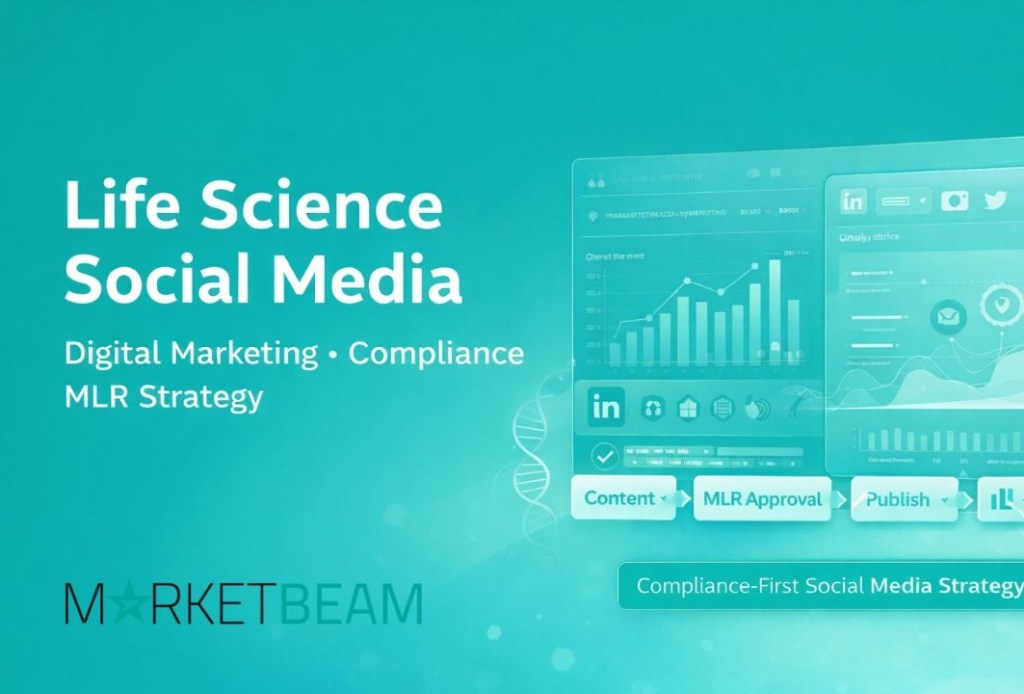
MarketBeam is a powerful social media publishing and analytics tool designed specifically for regulated industries like life sciences. By streamlining social media management, MarketBeam helps life sciences companies maintain a consistent and compliant brand presence across various digital platforms. With features such as automated publishing, employee advocacy, and real-time analytics, MarketBeam enables brands to amplify their reach, engage with key stakeholders, and build authority through strategic content sharing. Additionally, MarketBeam’s compliance features ensure that all marketing communications adhere to industry regulations, minimizing risks while maximizing brand impact. Using MarketBeam, life sciences companies can efficiently manage their brand strategy, increase visibility, and establish themselves as trusted leaders in the sector.
Discover how MarketBeam can elevate your life sciences brand—schedule a demo today!
Conclusion
Effective life science brand development requires more than just a recognizable logo or slogan. It demands a carefully crafted life science brand strategy that balances innovation, compliance, and consistent communication. By defining clear values, maintaining a unified identity, building thought leadership, and leveraging digital channels, companies can establish trust, credibility, and long-term success.
In such a competitive and highly regulated sector, brands that succeed are those that integrate life sciences branding with commercial strategies while staying true to ethical standards. Whether it’s biotech brand development, pharmaceutical brand building, or strengthening the overall brand identity in life sciences, the key lies in consistency and adaptability.
At MarketBeam, we empower life sciences companies to amplify their brand presence with compliance-approved publishing and data-driven insights. By simplifying social media management and enabling employee advocacy, MarketBeam ensures that your brand not only stays visible but also stays compliant.
👉 Ready to take your life sciences brand to the next level?
📞 Book a demo today and discover how MarketBeam can transform your brand visibility.
💼 Connect with us on LinkedIn