The life sciences industry sits at the intersection of innovation, regulation, and communication. In recent years, digital transformation has redefined how companies approach branding, lead generation, and scientific communication. However, the path is far from simple. As life sciences marketers aim to connect with researchers, clinicians, and stakeholders, they must also comply with complex regulations and manage long buying cycles.
This blog explores the major challenges and opportunities in life sciences marketing and provides actionable insights for companies looking to grow through strategic, compliant, and data-driven digital efforts.
1.Understanding the Life Sciences Marketing Landscape
The life sciences field encompasses biotechnology, pharmaceuticals, medical devices, and diagnostics—all industries where innovation is rapid but communication must be precise and compliant. As digital marketing becomes a cornerstone of outreach strategies, companies are investing in digital marketing for life sciences, life science digital marketing services, and biotech marketing services to drive measurable outcomes.
Whether you’re a life science marketing agency, pharmaceutical marketing consultant, or part of an in-house marketing team, your goal is the same: engage the right audience with the right message, at the right time, and in the most compliant way.
1.The Top Challenges in Life Sciences Marketing
1. Regulatory and Compliance Complexities
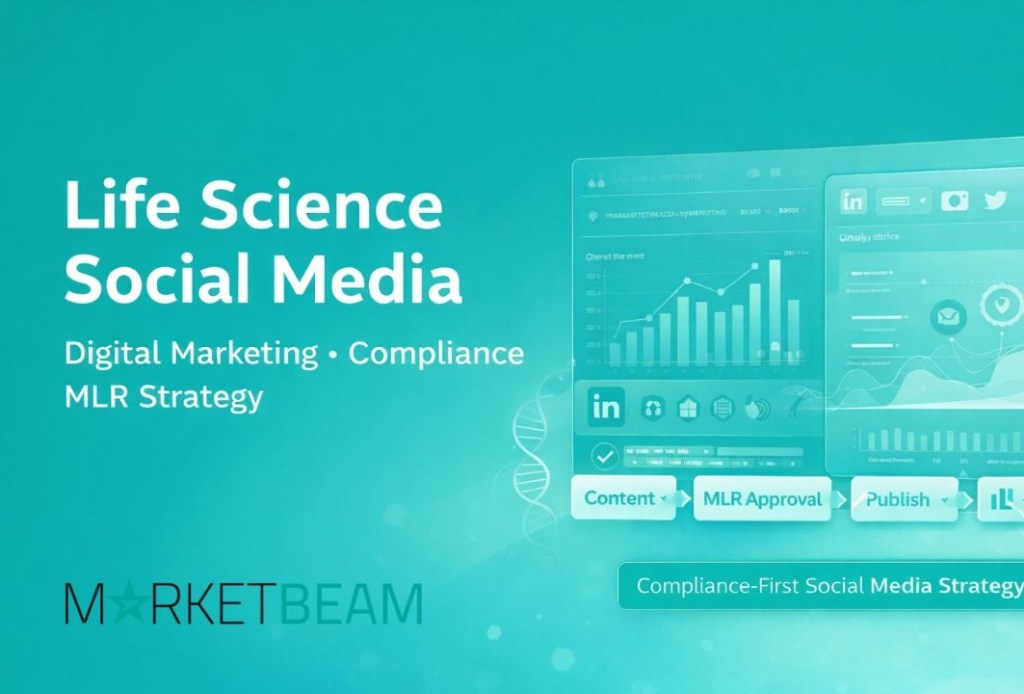
A primary challenge in this industry is the strict regulatory framework. Every campaign must align with FDA, EMA, and HIPAA guidelines. Marketing materials undergo MLR (Medical, Legal, Regulatory) reviews, which can delay launches and reduce agility.
Even top-tier pharmaceutical digital marketing agencies, pharma ad agencies, and pharmaceutical advertising companies find it difficult to execute timely campaigns due to these constraints. For marketers, this means building compliant processes into their workflows from the start.
- Scientific Messaging and Audience Segmentation
Marketing in life sciences is not just about creativity—it’s about credibility. Translating complex scientific data into accessible content for multiple personas (clinicians, researchers, procurement teams) is a constant challenge.
Scientific content marketing, biotech content marketing, and science communications agencies must ensure accuracy while making the content engaging and understandable. Misinformation or oversimplification can damage trust.
- Siloed Tools and Disconnected Campaigns
Many teams use different platforms for social media, compliance, lead generation, and analytics. This fragmentation causes inefficiencies, inconsistent reporting, and delays in campaign approvals.
Solutions like biotech digital marketing platforms and bio tech social media marketing services can help by centralizing content publishing, compliance checks, and reporting into a single workflow.
- Long Sales Cycles and Low Conversion Rates
In life sciences, decision-making can take months or even years. Marketers must nurture leads across a prolonged sales cycle, using content and data to keep potential customers engaged.
This puts a premium on biotech lead generation and life science lead generation strategies. Effective inbound funnels, retargeting, and nurturing tactics are essential for moving leads through the funnel.
III. Emerging Opportunities in Life Sciences Marketing
Despite these challenges, there are several compelling opportunities in life sciences marketing that forward-thinking brands are leveraging.
- Niche Marketing Agencies and Expert Consultants
Today, life sciences brands have access to highly specialized partners such as biotech marketing agencies, pharmaceutical marketing consultants, and scientific marketing agencies. These experts combine regulatory knowledge with marketing creativity, helping organizations build effective and compliant strategies.
Collaborating with a biotechnology digital marketing agency or science marketing companies ensures that your campaigns are both impactful and safe.
- High-Value Educational Content
Content is king in scientific industries. Blog articles, whitepapers, case studies, explainer videos, and webinars offer a platform to educate your audience while building authority.
Life science content marketing and scientific content marketing are effective ways to drive traffic and generate leads while addressing complex concepts. Strong SEO strategies further ensure visibility to the right audience.
- Automation and AI in Marketing Workflows
Modern marketing platforms now support automation in social media publishing, MLR pre-checks, and CRM enrichment. Tools like MarketBeam, designed for compliant industries, help life sciences companies reduce 15 manual steps in campaign approvals to just 3.
This approach is revolutionizing biotechnology online marketing services, helping teams publish FDA-compliant content faster and with fewer errors.
- Data-Driven Lead Generation and Retargeting
Using AI and predictive analytics, life sciences marketers can better segment their audiences and personalize communication across channels.
Combining life science lead generation tactics with tools like LinkedIn Sales Navigator, HubSpot, or Veeva CRM helps track behaviors and convert leads more efficiently.
- Real-World Example: MarketBeam’s Role
MarketBeam stands out as a platform specifically built for the unique needs of the life sciences industry. It combines social media scheduling, MLR review integration (e.g., Veeva Vault), and AI-powered compliance checks to streamline publishing and amplify content through employee advocacy.
Whether you’re a pharmaceutical marketing agency or a biotech marketing company, MarketBeam eliminates the bottlenecks caused by compliance while improving visibility and engagement across channels.
- Key Takeaways for Life Sciences Marketers
- Use a life science marketing agency or specialized tool to stay ahead of regulations
- Prioritize educational, compliant, and SEO-optimized content
- Integrate platforms for publishing, analytics, and CRM to remove friction
- Track KPIs like reach, MQL-to-SQL ratio, and campaign approval time
- Conclusion
There’s no doubt that the challenges and opportunities in life sciences marketing are significant. From compliance complexities and content hurdles to long sales cycles, marketers have much to manage. Yet, the rise of specialized agencies, digital automation, and content-driven strategies is creating space for innovation.
To remain competitive, companies must evolve—strategically adopting the right tools, refining their messaging, and embracing a compliant-first mindset.