Building Scalable, Compliant, and High-Velocity Approval Workflows
Social media marketing has evolved from a creative experiment into a core business channel. Today, brands rely on social platforms not only for awareness, but also for demand generation, employee advocacy, investor communications, crisis response, and customer engagement.
However, as social media’s business impact has grown, so has its risk.
One post published without review can result in regulatory violations, reputational damage, legal exposure, or lost trust—especially in regulated industries such as pharmaceuticals, life sciences, healthcare, financial services, and fintech.
This is why content approval for social media marketing is no longer optional. It is foundational infrastructure.
In this guide, we explore:
-
What content approval workflows really mean in modern social media marketing
-
Why traditional approval models fail at scale
-
The five most effective social media approval workflows
-
How to design a step-by-step approval system that balances speed and compliance
-
Tools and platforms that enable scalable content governance
-
How compliance-first platforms like MarketBeam redefine social content approval
What Is Content Approval for Social Media Marketing?
Content approval for social media marketing refers to the structured process through which social media content is created, reviewed, approved, published, and archived before it goes live on public platforms.
This process ensures that every post:
-
Aligns with brand voice and messaging
-
Complies with legal and regulatory requirements
-
Meets internal governance standards
-
Is accurate, contextual, and appropriate for the channel
A modern content approval workflow typically involves multiple stakeholders, including:
-
Marketing and communications teams
-
Legal and compliance reviewers
-
Product or medical reviewers (in regulated industries)
-
Regional or business unit leaders
-
Senior leadership for sensitive communications
Without a defined approval workflow, organizations risk inconsistency, delays, and exposure.
Why Content Approval Is Critical in Social Media Marketing Today
Social media moves faster than traditional marketing channels. Posts are published in real time, conversations evolve instantly, and public visibility is permanent.
At the same time, regulatory scrutiny is increasing.
For regulated industries, social media content must comply with:
-
FDA, FTC, and HIPAA guidelines
-
FINRA, SEC, and FCA regulations
-
Internal MLR (Medical, Legal, Regulatory) frameworks
-
Data privacy and disclosure requirements
Even for non-regulated brands, misaligned messaging or inaccurate claims can trigger PR crises, backlash, or legal action.
How Content Approval Protects Brands
Brand consistency
Approval workflows ensure every post reflects the brand’s tone, values, and positioning across regions and teams.
Risk mitigation
Legal and compliance reviews prevent misinformation, prohibited claims, and regulatory violations before publication.
Quality control
Structured reviews catch errors, tone issues, and contextual mismatches early.
Operational efficiency
Clear workflows eliminate confusion, reduce back-and-forth, and accelerate publishing timelines.
Crisis preparedness
Pre-approved workflows enable rapid response without bypassing governance.
The Hidden Cost of Poor Social Media Approval Processes
Organizations often underestimate the operational cost of inefficient approval workflows.
Common issues include:
-
Posts stuck in email threads with no visibility
-
Version confusion due to offline edits
-
Missed publishing windows due to delayed approvals
-
Compliance teams overwhelmed by last-minute reviews
-
Employees sharing unapproved content
Over time, these inefficiencies slow campaigns, frustrate teams, and reduce social media ROI.
A scalable content approval system is not about adding friction—it is about removing chaos.
Benefits of an Efficient Content Approval Workflow
An optimized content approval for social media marketing delivers measurable business benefits.
1. Compliance and Legal Safety
Approval workflows ensure that all social content adheres to:
-
Regulatory guidelines
-
Intellectual property laws
-
Industry-specific standards
This significantly reduces compliance risk and audit exposure.
2. Higher Content Quality
Multiple review layers improve clarity, accuracy, and relevance, strengthening brand credibility.
3. Faster Time-to-Market
Clear ownership, defined timelines, and automation reduce bottlenecks and publishing delays.
4. Better Cross-Team Collaboration
Marketing, compliance, and leadership work from a shared system, not fragmented tools.
5. Data-Driven Optimization
Approved content performance can be analyzed to refine future workflows and messaging.
Five Types of Social Media Content Approval Workflows
Not all organizations need the same approval structure. The right workflow depends on scale, industry, and risk profile.
1. Centralized Approval Workflow
In a centralized workflow, all content approvals are managed by a single team or authority.
Ideal for:
Small to mid-sized organizations with one marketing team
How it works:
A central social media manager or marketing lead reviews and approves all content before publishing.
Advantages:
-
High consistency
-
Simple governance
-
Faster decision-making
Limitations:
-
Not scalable for global or regulated organizations
2. Hierarchical Approval Workflow
Hierarchical workflows involve multiple approval levels based on authority and responsibility.
Ideal for:
Large enterprises with multiple regions, brands, or compliance needs
How it works:
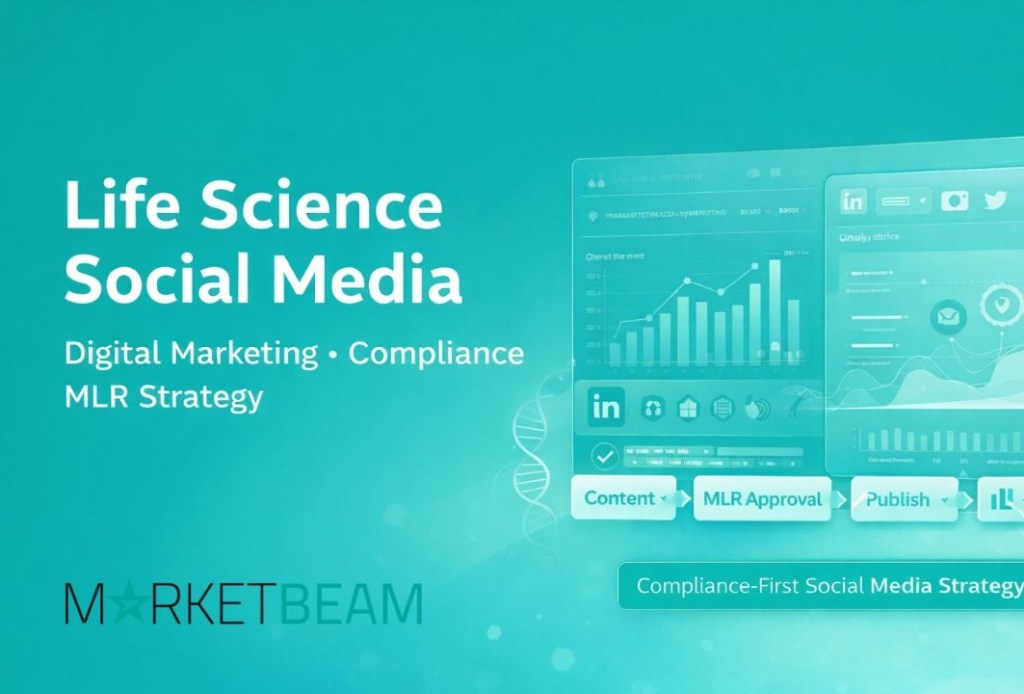
Content moves from creators → managers → legal/compliance → leadership, depending on risk level.
Advantages:
-
Strong governance
-
Clear accountability
-
Suitable for regulated industries
Limitations:
-
Can slow publishing without automation
3. Collaborative Approval Workflow
Collaborative workflows emphasize shared input across teams.
Ideal for:
Organizations prioritizing creativity and cross-functional collaboration
How it works:
Marketing, design, product, and communications teams review and refine content together.
Advantages:
-
Diverse perspectives
-
Higher creativity
-
Strong alignment
Limitations:
-
Requires clear ownership to avoid delays
4. Automated Approval Workflow
Automated workflows use predefined rules to approve low-risk content automatically.
Ideal for:
High-volume publishers and mature marketing teams
How it works:
Content meeting specific criteria is auto-approved, while exceptions trigger manual review.
Advantages:
-
Faster publishing
-
Reduced manual workload
-
Consistency at scale
Limitations:
-
Requires strong governance rules
5. User-Generated Content (UGC) Approval Workflow
UGC workflows moderate content created by customers or employees.
Ideal for:
Brands leveraging advocacy, testimonials, or community content
How it works:
UGC is collected, reviewed, approved, and published through a moderation layer.
Advantages:
-
Scalable engagement
-
Brand-safe amplification
Limitations:
-
Requires active monitoring
Step-by-Step Guide: How to Create a Content Approval Workflow for Social Media Marketing
Step 1: Define Roles and Responsibilities
Clarity is the foundation of speed.
Key roles include:
-
Content creators: Draft posts, visuals, and videos
-
Reviewers: Validate accuracy, tone, and compliance
-
Approvers: Provide final sign-off
-
Publishers: Schedule and post content
Clear ownership prevents bottlenecks and duplication.
Step 2: Establish Approval Guidelines
Document what “approved” content means.
Include:
-
Brand voice and tone
-
Visual identity standards
-
Legal and regulatory requirements
-
Crisis response rules
These guidelines reduce subjective decision-making.
Step 3: Choose a Collaboration Platform
Email is not a workflow.
Select a platform that:
-
Centralizes content drafts
-
Tracks approvals and feedback
-
Maintains version history
-
Provides audit trails
This is where compliance-ready platforms outperform generic tools.
Step 4: Implement a Social Media Content Calendar
A content calendar:
-
Aligns campaigns across teams
-
Prevents last-minute approvals
-
Improves planning and consistency
Unified calendars reduce chaos and rework.
Step 5: Define Approval Stages and SLAs
Every stage should have:
-
A defined reviewer
-
A clear deadline
-
An escalation path
Automation ensures content does not stall.
Step 6: Monitor, Measure, and Optimize
Track:
-
Approval turnaround time
-
Content performance
-
Compliance exceptions
Use insights to continuously refine workflows.
The Gap in Traditional Tools
Most tools manage tasks—not risk.
They lack:
-
Regulatory workflows
-
Approval audit trails
-
Role-based publishing controls
-
Industry-specific governance
How MarketBeam Reframes Content Approval for Social Media Marketing
MarketBeam is built for compliance-first social media marketing.
Unlike generic tools, MarketBeam embeds approval into the publishing process.
Key capabilities include:
-
Role-based approval workflows
-
Compliance-ready review stages
-
Controlled employee advocacy
-
Centralized audit trails
-
Regulated-industry governance
With MarketBeam, approval is not a blocker—it is a built-in safeguard.
Content Approval Workflow Comparison
| Traditional Approach | MarketBeam Approach |
|---|---|
| Email-based approvals | Platform-based workflows |
| Manual tracking | Automated status visibility |
| No audit trail | Always-on compliance logs |
| Delayed publishing | Parallel reviews |
| High risk | Controlled governance |
Final Thoughts
Content approval for social media marketing is no longer an operational detail. It is a strategic requirement.
As social media becomes business-critical, organizations must replace fragmented approvals with structured, scalable, and compliant workflows.
The right approval system enables:
-
Faster publishing
-
Stronger governance
-
Better collaboration
-
Reduced risk
Platforms like MarketBeam make it possible to move fast—without breaking compliance.
Frequently Asked Questions
What are the key features of a social media content approval workflow tool?
Role-based approvals, audit trails, version control, publishing controls, and analytics.
Who should be involved in the content approval process?
Marketing, compliance, legal, leadership, and regional stakeholders as needed.
Is documentation necessary for approval workflows?
Yes. Documented workflows ensure consistency, accountability, and audit readiness.
Can approval workflows be automated?
Yes. Low-risk content can be auto-approved using predefined rules.
With MarketBeam, MedTech companies can manage influencer content, track engagement, and automate compliance—all within one secure platform.
👉 Learn more about Social Media Compliance for MedTech