The life sciences and pharmaceutical industries are undergoing a major transformation. Traditional marketing methods are no longer enough to reach healthcare professionals, investors, researchers, and patients. Today, digital marketing in life sciences and pharmaceutical industry sectors plays a crucial role in shaping brand visibility, improving trust, and delivering complex scientific information to the right audience.
Organizations across biotech, pharma, and healthcare are adopting advanced marketing technologies and social media strategies to remain competitive. From pharmaceutical digital marketing campaigns to biotech content marketing, companies are building sophisticated systems that combine compliance, automation, and analytics.
In this article, we explore how digital marketing for pharmaceutical companies and biotech organizations works, how compliance such as MLR review pharma processes affect marketing operations, and how modern tools help organizations manage social media and content effectively.
The Rise of Digital Marketing in the Pharmaceutical Industry
The pharmaceutical industry has historically relied on in-person medical representatives and traditional advertising channels. However, digital transformation has changed how pharmaceutical companies communicate with healthcare providers and patients.
Today, digital marketing pharmaceutical strategies include content marketing, social media engagement, search marketing, webinars, and online communities. Companies are investing heavily in digital marketing pharma industry initiatives because healthcare professionals increasingly consume information online.
One of the major benefits of digital marketing in pharmaceutical industry environments is the ability to deliver personalized information to very specific audiences. Pharmaceutical companies can now target cardiologists, oncologists, researchers, or hospital administrators with tailored campaigns that provide valuable insights rather than generic advertising.
Another advantage is measurable performance. Digital campaigns allow marketers to track engagement, website traffic, and lead generation, helping companies evaluate the impact of digital marketing in pharmaceutical industry operations and improve campaign performance over time.
Understanding Life Science Marketing and Biotech Digital Strategy
Life science marketing requires a unique approach compared to traditional B2B or B2C marketing. Products in this industry often involve complex scientific data, regulatory oversight, and long research cycles.
Marketing in life sciences focuses on educating audiences while maintaining scientific accuracy. This means companies must combine science marketing strategy, storytelling, and compliance with strict regulatory requirements.
Biotech companies are particularly active in digital marketing because they often need to communicate innovations to investors, partners, and research institutions. A strong biotech marketing strategy includes educational content, white papers, research insights, and thought leadership articles that demonstrate expertise.
Many organizations also focus on humanizing biotech communications, presenting complex scientific breakthroughs in ways that are understandable to broader audiences. This approach strengthens brand trust and helps organizations build relationships with stakeholders.
The Role of Social Media in Pharma and Life Sciences
Social media has become an essential channel for pharma social media marketing and life science social media engagement. Platforms like LinkedIn, Twitter, and specialized scientific networks allow companies to share research insights, product updates, and industry developments.
However, managing social media in regulated industries is more complex than in other sectors. Pharmaceutical companies must comply with strict regulations such as FDA guidelines and FINRA social media rules when communicating with the public.
This is why many organizations rely on social media management tools for healthcare and financial services, which provide compliance monitoring and approval workflows. These platforms help teams ensure that all content meets regulatory standards before publication.
Another important advantage of social media is brand awareness. Companies frequently ask how to use social media for brand awareness, especially in regulated industries. The answer lies in consistent educational content, research insights, and expert commentary rather than promotional messaging.
MLR Compliance and the Pharmaceutical Content Approval Process
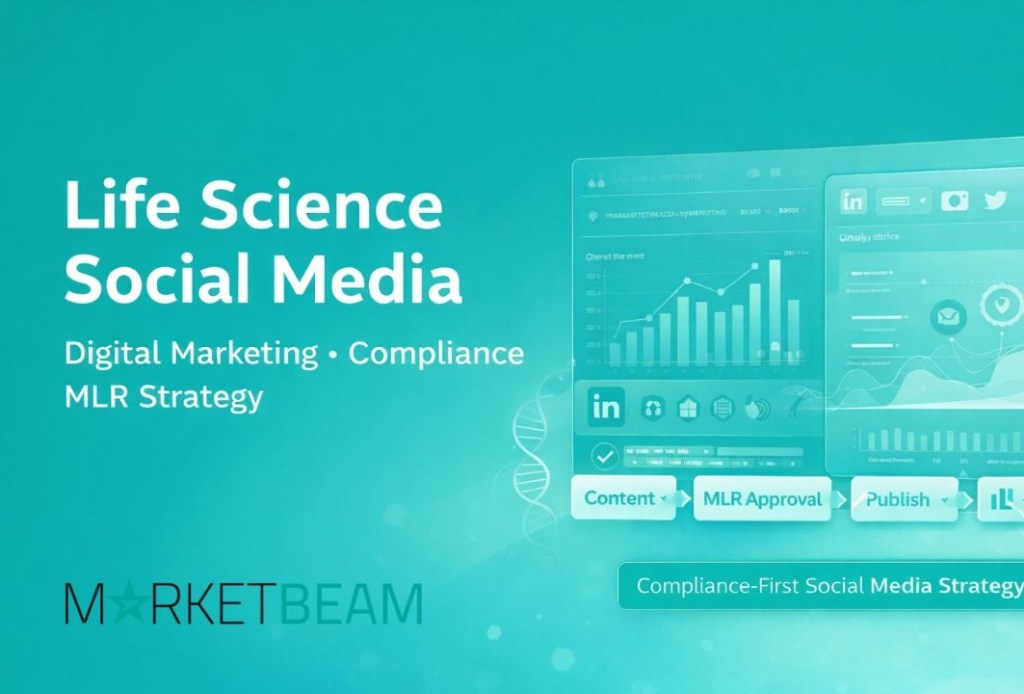
One of the most critical elements of pharmaceutical marketing compliance is the Medical, Legal, and Regulatory (MLR) review process. Many people ask what is MLR in healthcare or what does MLR stand for in pharma marketing.
MLR stands for Medical, Legal, and Regulatory review, a structured process that ensures all promotional materials meet regulatory standards before being distributed.
In pharmaceutical marketing operations, the MLR review process examines scientific claims, marketing messages, regulatory compliance, and legal implications. The goal is to ensure that communications are accurate, ethical, and aligned with healthcare regulations.
The MLR review pharma workflow often involves multiple stakeholders including medical experts, legal teams, and regulatory specialists. This process can slow down marketing operations if organizations rely on manual workflows.
To address this challenge, many companies use digital platforms such as Veeva Vault PromoMats and Veeva content management systems, which automate approvals and track compliance requirements. These tools streamline the MLR review pharmaceutical compliance process, allowing marketing teams to publish content faster while maintaining regulatory integrity.
How Scheduling and Publishing Tools Save Time in Social Media Management
Managing multiple social media channels manually can be time-consuming. Organizations often publish content across LinkedIn, Twitter, YouTube, and Facebook simultaneously. This is where social publishing tools and social media scheduling platforms become essential.
A common question marketers ask is how scheduling and publishing tools save time in social media management. The answer lies in automation, planning, and collaboration.
Scheduling tools allow marketing teams to plan content weeks or months in advance. Instead of posting manually each day, marketers can create a structured content calendar that automatically publishes posts at the optimal time.
These tools also provide approval workflows, ensuring content passes compliance checks before going live. This is particularly valuable for industries such as finance, healthcare, and pharmaceuticals where regulatory approval is mandatory.
Additionally, many modern platforms include machine learning tools for social media content scheduling optimization, helping organizations determine the best times to publish content based on audience engagement patterns.
Social Media Publishing and Compliance Tools for Regulated Industries
| Tool / Platform | Primary Industry | Key Features | Compliance Support |
|---|---|---|---|
| MarketBeam | Life Sciences, Finance | Social publishing, employee advocacy, content amplification | MLR workflow support |
| Sprout Social | Multiple industries | Social media scheduling, analytics, engagement monitoring | Limited compliance features |
| Hootsuite | Enterprise marketing | Content scheduling, team collaboration, campaign management | Basic compliance monitoring |
| Veeva Vault PromoMats | Pharmaceutical industry | Content management, MLR review workflow, regulatory approval | Strong pharma compliance |
| LinkedIn Advocacy Tools | Corporate marketing | Employee advocacy, content distribution | Limited compliance controls |
Employee Advocacy and Content Amplification
Employee advocacy programs are becoming increasingly important in regulated industries. Companies encourage employees, scientists, and executives to share approved content on social media platforms, increasing the reach of corporate messaging.
The top employee advocacy tools and platforms allow organizations to distribute pre-approved content that employees can easily share with their networks. This approach ensures compliance while expanding brand visibility.
Successful employee advocacy programs can dramatically increase the reach of marketing campaigns. Instead of relying solely on corporate social media accounts, companies leverage their workforce as trusted voices.
Content amplification platforms also help organizations distribute scientific articles, research insights, and industry news across multiple channels. These systems extend the reach of biotech content promotion and life sciences content marketing initiatives, helping companies reach healthcare professionals and decision-makers.
Measuring Social Media Reach and Marketing Performance
A major advantage of digital marketing is the ability to measure performance accurately. Companies frequently ask how to calculate social media reach or how to evaluate the effectiveness of marketing campaigns.
Social media reach refers to the number of unique individuals who see a particular piece of content. Platforms often provide built-in analytics tools that calculate reach automatically.
Marketing teams also use specialized tools such as social media reach calculators and marketing reach calculators to estimate campaign performance across multiple channels.
Understanding reach and engagement is especially important in the pharmaceutical and biotech industries because marketing budgets are often tightly controlled. Accurate performance metrics help companies optimize campaigns and demonstrate the digital marketing ROI in pharma and biotech sectors.
Digital Marketing Channels for Life Sciences Companies
Life sciences organizations rely on a wide range of digital marketing channels to reach their audiences. These channels include search engine optimization, paid advertising, webinars, industry publications, and social media platforms.
Life sciences digital marketing channels often focus on educational content rather than promotional messaging. Research articles, scientific blogs, and case studies help establish credibility and attract professionals seeking reliable information.
Another important strategy is inbound marketing for biotech companies, which focuses on attracting visitors through valuable content rather than traditional advertising.
Many organizations also invest in life science website marketing strategies designed to attract researchers, healthcare professionals, and potential investors. By publishing high-quality content regularly, companies can significantly increase website traffic and improve online visibility.
Future Trends in Digital Marketing for Life Sciences
The future of digital marketing for life science companies will be shaped by emerging technologies, data analytics, and artificial intelligence. Marketing platforms are becoming more sophisticated, offering predictive analytics, automated compliance monitoring, and advanced audience targeting.
Artificial intelligence tools are also helping companies optimize content scheduling, personalize marketing campaigns, and analyze large datasets. These technologies allow organizations to deliver highly relevant content to the right audience at the right time.
Another emerging trend is the integration of marketing platforms with compliance systems. As regulations continue to evolve, companies must ensure their marketing activities remain compliant with global healthcare standards.
Organizations that successfully combine innovation with regulatory compliance will gain a significant competitive advantage in the rapidly evolving life sciences market.
Conclusion
Digital transformation is reshaping how pharmaceutical and biotech companies communicate with their audiences. From pharmaceutical digital marketing strategies to life sciences content marketing, organizations are embracing new technologies to improve visibility, engagement, and trust.
At the same time, regulatory requirements such as MLR compliance and pharmaceutical marketing approval processes remain essential for maintaining ethical and legal standards. By combining compliance frameworks with modern marketing tools, companies can create efficient workflows that support both innovation and regulation.
As the life sciences industry continues to evolve, companies that invest in advanced digital marketing strategies, social media management tools, and content amplification platforms will be better positioned to reach global audiences and drive long-term growth.