Navigating Digital Marketing Regulations in the Pharma Industry: A Comprehensive Guide
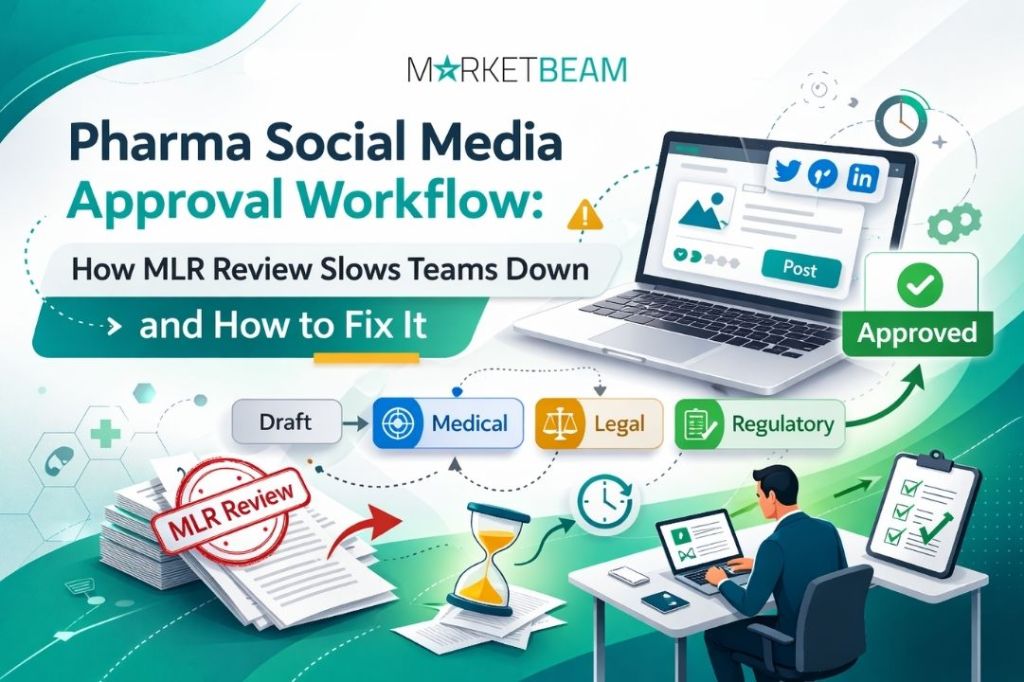
Digital marketing in the pharmaceutical industry is no longer limited by creativity or channel availability — it is limited by compliance execution. While pharma brands are expected to engage HCPs and patients across websites, email, and social media, most campaigns slow down or fail at the same point: the MLR review process.
Marketing teams face long approval cycles, version control issues, delayed launches, and risk-averse decisions such as disabling social media comments entirely. As regulatory scrutiny increases, digital marketing for pharmaceutical companies must be designed with compliance at its core — not treated as a final checkpoint.
This is where digital marketing compliance in the pharmaceutical industry becomes critical. Successful pharma marketers are no longer asking whether they can use digital channels, but how to execute them safely, consistently, and at scale. That requires structured workflows, audit-ready content approvals, and technology that supports compliant publishing across every channel.
In this guide, we focus on how pharma companies can operationalize compliant digital marketing — from managing the MLR review process to governing social media activity — without slowing down innovation or growth.
Unlocking the potential of digital marketing is critical for pharmaceutical companies looking to effectively engage with their audience while navigating stringent industry regulations. This guide provides practical insights into crafting compliant strategies, leveraging technology, and maximizing engagement in the highly regulated pharmaceutical sector.
Key Takeaways:
The adoption of digital marketing in the pharmaceutical industry enhances global reach, patient engagement, and compliance with strict regulations. Digital channels now dominate over traditional methods, offering broader market penetration and personalized experiences. Moreover, pharmaceutical companies are utilizing cutting-edge technologies such as artificial intelligence, mobile health apps, and telehealth services to transform customer experiences through personalized and virtual interactions.
Revolutionizing Pharma with Digital Marketing Strategies
In the pharmaceutical industry, digital marketing has become a powerful tool that drives:
- Wide International Exposure: Digital platforms allow companies to reach global audiences swiftly, enhancing visibility.
- Rapid Campaign Adaptation: Digital marketing enables swift adjustments to campaigns based on real-time feedback and market trends.
- Direct Patient Interaction: Through digital channels, companies can provide valuable information, answer questions, and offer support to patients.
- Brand Recognition: Targeted advertising and strategic social media for pharma build brand recognition and trust among consumers.
Today, pharmaceutical marketing goes beyond traditional promotion to focus on meaningful patient interactions and strategic brand development through pharma social media engagement.
The Shift from Traditional to Digital Marketing Channels
Pharmaceutical companies are increasingly shifting from traditional marketing strategies like print ads to digital channels, including social media and online advertising. This shift allows companies to spread information more efficiently while enhancing market penetration. Pharma social media marketing offers a unique opportunity to engage healthcare professionals (HCPs) and patients alike.
Integrating traditional and digital strategies can provide a seamless approach to connect with the target audience while navigating the complex regulatory environment.
Understanding Customer Behavior Through Data Analytics
Leveraging data analytics is essential for pharmaceutical companies seeking to enhance their marketing efforts. By analyzing customer behavior and segmenting audiences, companies can create more personalized experiences and optimize their pharma social media strategy to resonate with specific groups, whether patients or healthcare providers.
Navigating Regulatory Compliance in Digital Campaigns
Pharmaceutical companies face strict regulations when executing pharma social media advertising and digital campaigns. Regulatory bodies such as the FDA and EMA require that pharmaceutical marketing be truthful, balanced, and supported by scientific evidence. Ensuring compliance while maintaining effective communication is a challenge, but critical for building trust and avoiding legal pitfalls.
Compliance strategies include:
– Incorporating risk information in every digital communication.
– Ensuring that all promotional materials undergo Medical, Legal, and Regulatory (MLR) review.
– Monitoring social media channels for adverse event reporting.
Crafting Compelling and Compliant Content
Creating compelling content is essential for success in pharmaceutical social media marketing. Whether aimed at healthcare professionals or patients, content must be informative, valuable, and fully compliant with industry regulations. For example, explainer videos that demystify complex medical concepts can engage patients, while clinical trial articles help healthcare professionals stay informed.
The Role of Interactive Content in Patient Education
Interactive elements, such as pharmaceutical animations, significantly improve patient education and engagement. By visualizing medical conditions or treatment paths, pharmaceutical companies can simplify complex information, fostering better adherence to prescribed treatments. Interactive content also helps companies create an emotional connection with their audience, making educational messages more memorable.
Utilizing Influencer Marketing in Pharma
Pharmaceutical companies are increasingly turning to influencer marketing as part of their pharma marketing strategy. Partnering with influencers who have credibility within specific patient communities allows companies to:
– Build trust through relatable content.
– Engage with micro-influencers who have a deep connection with smaller, niche audiences.
– Create campaigns tailored to specific health conditions, helping to inform and support patient communities.
Balancing Information and Promotional Messaging
Effective pharma social advertising requires a balance between promotion and compliance. Pharmaceutical companies must ensure their digital marketing campaigns are transparent, scientifically accurate, and aligned with regulatory guidelines. Promotional claims must be clear and supported by evidence to maintain the credibility of the brand.
Enhancing Customer Experience Through Digital Innovation
Digital innovations, such as AI and mobile health apps, are revolutionizing customer interaction in the pharmaceutical industry. These technologies allow for personalized engagement, virtual care, and seamless integration across digital platforms. As patients become more digitally savvy, pharma digital marketing strategies must adapt to these trends to improve patient experiences.
Personalization as a Strategic Tool
Personalization is a powerful trend in pharma social media marketing. By tailoring messages to individual preferences and medical needs, pharmaceutical companies can significantly enhance consumer engagement. Data analytics allows for targeted campaigns that resonate with specific demographics, providing a more personalized experience for patients and healthcare professionals alike.
Virtual Engagement and Patient Support
Telehealth and digital engagement platforms are becoming integral parts of pharmaceutical marketing strategies. These tools allow pharmaceutical companies to extend patient care, provide virtual support, and maintain relationships with healthcare professionals. Offering web-based seminars, mobile apps, and messaging platforms improves the accessibility and efficiency of care.
Seamless Integration Across Digital Channels
A successful pharmaceutical digital marketing strategy involves seamless integration across various digital platforms. Pharmaceutical companies must maintain a consistent presence on all channels, from social media to mobile health apps, ensuring an uninterrupted customer experience. This comprehensive digital presence supports medication adherence and enhances patient outcomes.
Leveraging Social Media in Pharma Marketing
Social media has become an essential platform for pharmaceutical digital marketing. Healthcare professionals and patients alike turn to social media for information, making it critical for pharmaceutical companies to establish a robust presence. Through targeted advertising and active engagement, pharma social media marketing can boost brand visibility and cultivate relationships with key stakeholders.
Building Online Communities Around Treatments
Creating online communities centered around treatment options is a growing trend in pharma social media marketing. These communities provide support and information, fostering interaction between patients and healthcare professionals.
User-Generated Content: The Impact on Pharma
User-generated content plays a significant role in influencing consumer decisions in the pharmaceutical space. Patients’ experiences shared online can shape perceptions of pharmaceutical brands. Companies need to actively engage with these conversations, ensuring they provide accurate, reliable information.
Digital Trends Shaping the Pharma Industry
The pharmaceutical industry is experiencing significant changes driven by digital innovations like AI and mobile health apps. These technologies are transforming drug development and patient care, driving a new wave of pharmaceutical digital marketing strategies.
Navigating the Digital Landscape: Best Practices and Case Studies
Pharma social media marketing success stories illustrate how companies can effectively execute digital marketing strategies while navigating the challenges of regulatory compliance. Using SEO, content marketing, and active engagement on social media platforms, pharmaceutical companies can enhance their visibility, increase patient engagement, and ultimately improve health outcomes.
Overcoming Challenges in Digital Pharma Marketing
To overcome challenges, pharmaceutical companies must focus on refining their digital strategies, leveraging local insights, and continuously monitoring the effectiveness of their campaigns. Pharmaceutical digital marketing requires agility and adaptation to succeed in an ever-evolving landscape.
The pharmaceutical industry is undergoing a profound transformation through digital marketing strategies. Companies are connecting with global audiences, adapting to market trends, and enhancing patient engagement through personalized content, targeted advertising, and advanced digital tools. By embracing digital innovation, pharma companies can stay ahead of the curve and deliver meaningful, compliant marketing campaigns.
Step-by-Step MLR Flow for Pharma Digital Content
1) Intake and Request Creation
-
Marketing submits a request in the MLR system with:
-
Asset type (social post, landing page, email, banner ad, video, etc.)
-
Campaign objective and target audience (HCP vs patient/consumer)
-
Intended channels and countries/regions
-
References, claims source docs, and labeling (PI/SmPC)
-
-
Output: MLR ticket + version “V1 Draft” created
2) Content Drafting and Claim Mapping
-
Marketing drafts copy + visuals + CTA.
-
Each product claim is mapped to:
-
Approved label language
-
Clinical evidence, data tables, or publication references
-
-
Output: Claim substantiation pack (sources attached)
3) Required Safety and Fair Balance Check (Pre-Review)
-
Confirm presence and placement of:
-
ISI / Important Safety Information (where applicable)
-
Fair balance (benefit + risk)
-
Contraindications / warnings (as required)
-
Linked safety content (for digital formats)
-
-
Output: Compliance pre-check passed or returned for edits
4) Brand, Medical, Legal, and Regulatory Review (Core MLR Review)
Each function reviews for different risk areas:
-
Medical: scientific accuracy, evidence alignment, off-label risk, context.
-
Legal: promotional regulations, IP, privacy, consent, disclosures.
-
Regulatory: label consistency, fair balance, AE reporting language, local rules.
-
Brand/Marketing ops (optional): tone, formatting, channel fit.
Output: Consolidated feedback (often conflicting) + required changes list.
5) First Revision Cycle (V2)
-
Marketing updates the asset based on comments.
-
Changes are tracked (version control is critical).
-
If claims change, substantiation is updated again.
-
Output: V2 submitted with change log
6) Second Review Cycle (V2 Review)
-
Reviewers confirm whether required changes were implemented correctly.
-
Focus is on:
-
Off-label implications created by edits
-
Risk info placement and readability
-
“Implied” claims via visuals or headlines
-
-
Output: Approved / Approved with Conditions / Needs Another Revision
7) Final Approval and Certification
-
Final sign-off recorded (audit trail).
-
Asset is “locked”:
-
Approved copy
-
Approved creative
-
Required disclosures
-
Expiry / recertification date (if applicable)
-
-
Output: Approval ID + approved master file
8) Channel Readiness and Publishing Controls
Before publishing, ensure:
-
Correct platform format (character limits, truncation risk, link previews)
-
Commenting/moderation policy (especially for social)
-
Targeting settings (for paid ads) align with compliance rules
-
Geo-targeting and local requirements applied
-
Output: Publish-ready package
9) Post-Publish Monitoring (Mandatory in Many Organizations)
Ongoing monitoring includes:
-
Adverse event (AE) detection and escalation workflow
-
Comment monitoring and response governance (what can/can’t be answered)
-
Field team usage compliance (no rep edits, no unapproved re-posting)
-
Output: Monitoring log + escalations if needed
10) Archiving and Audit Trail Management
-
Archive:
-
Final approved asset + all versions
-
Comments, approvals, timestamps, reviewer identities
-
Proof of what was actually published (screenshots/URLs)
-
-
Output: Audit-ready record for internal QA or regulator requests
Conclusion
The pharmaceutical industry is at a turning point where innovation and compliance must move hand in hand. By adopting pharma digital marketing trends 2025 such as AI in pharma marketing, personalized pharma campaigns, and patient-centric pharma marketing, companies can expand their global reach and deepen engagement. At the same time, embedding pharma social media compliance and robust pharma compliance marketing practices ensures regulatory requirements are met without slowing innovation.
Pharma brands that embrace digital transformation in pharma while balancing regulatory rigor with innovative strategies will not only stay compliant but also build stronger patient trust, improve health outcomes, and achieve sustainable growth in a competitive market.
FAQs on Pharma Digital Marketing
1. What are the top pharma digital marketing trends in 2025?
The leading pharma digital marketing trends in 2025 include increased use of AI in pharma marketing for automation and compliance, personalized pharma campaigns tailored to patients and healthcare professionals, stronger focus on pharma social media compliance, and patient-centric pharma marketing through telehealth, mobile apps, and online communities.
2. How can pharma companies balance compliance and innovation?
Pharma companies can balance compliance and innovation by building pharma compliance marketing strategies into every stage of their campaigns. This means integrating regulatory reviews, risk disclosures, and monitoring processes while still leveraging new technologies like AI, predictive analytics, and immersive digital engagement tools to drive innovation.
3. Why is patient-centric pharma marketing important?
Patient-centric pharma marketing is important because it builds trust, improves treatment adherence, and creates meaningful relationships with patients. By focusing on personalized content, community engagement, and transparent communication, pharma companies can deliver value beyond promotion while maintaining compliance.
👉 Want to learn more about how MarketBeam helps pharma companies manage compliance while scaling digital engagement?
Follow us on LinkedIn for insights, success stories, and updates.