Pharmaceutical Social Media Marketing Strategy (2025 Guide) | Compliant Pharma Digital Marketing
In today’s digital-first healthcare landscape, having a strong pharmaceutical social media marketing strategy is non-negotiable. Pharma brands are increasingly turning to pharma digital marketing to reach physicians, patients, and HCPs while navigating the challenges of FDA social media guidance and regulatory requirements. In this blog, we’ll explore how to build a compliant and impactful presence across platforms.
In today’s regulated digital landscape, every pharmaceutical brand needs a clear and compliant pharma social media strategy to reach patients, engage HCPs, and maintain trust.
In this guide, we explore the best pharmaceutical social media marketing strategies to help your brand connect with healthcare professionals (HCPs), patients, and industry stakeholders while staying compliant with strict regulations.
Direct market product advertisements for consumers are rapidly shifting from TV advertisements to online social media platforms. Last year, TV advertising sales fell by 7.8%, marking the steepest drop in over 20 years outside of a recession. Meanwhile, in the US and UK, up to 20% of physicians now refuse to meet with pharmaceutical sales representatives. Pharmaceutical brands that thrive today have adjusted their strategies to align with their audience’s new way of obtaining information: social media.
Get Best Pharmaceutical Social Media Marketing Strategy – Book Demo Today
Though social media in regulated industries like pharmaceuticals comes with unique challenges, the right strategies can present better opportunities for brands to engage with doctors, healthcare providers (HCPs), customers, and patients.
A strong pharma social media strategy helps companies deliver educational content while meeting FDA and HIPAA requirements.
Social Media for Pharmaceutical Companies
Why Every Pharma Brand Needs a Strong Pharma Social Media Strategy
The landscape of healthcare marketing is changing. Doctors, patients, and caregivers increasingly turn to social media platforms for medical information, reviews, and professional networking. Here’s why pharmaceutical social media marketing is essential:
- Targeted Reach: Engage with HCPs and patients through tailored content.
- Regulatory-Friendly Approach: Ensure compliance with industry standards while promoting your brand.
- Data-Driven Insights: Track impressions, engagement, and conversions to refine marketing efforts.
- Cost-Effective Advertising: Social media offers lower costs compared to traditional advertising.
Book a Free Demo Today: Boost Your Pharma Brand’s Social Presence!
Pharma companies face more restrictions on social media compared to other industries, but the benefits often outweigh the hurdles. A well-executed pharmaceutical social media marketing strategy is more convenient and efficient than traditional marketing methods. As a closed-loop marketing strategy, it allows for precise targeting and positioning, backed by accurate analysis. Online platforms are the preferred source of medical information for doctors and patients alike, making pharma social media a crucial channel for widening your reach and maintaining real-time contact with your audience.
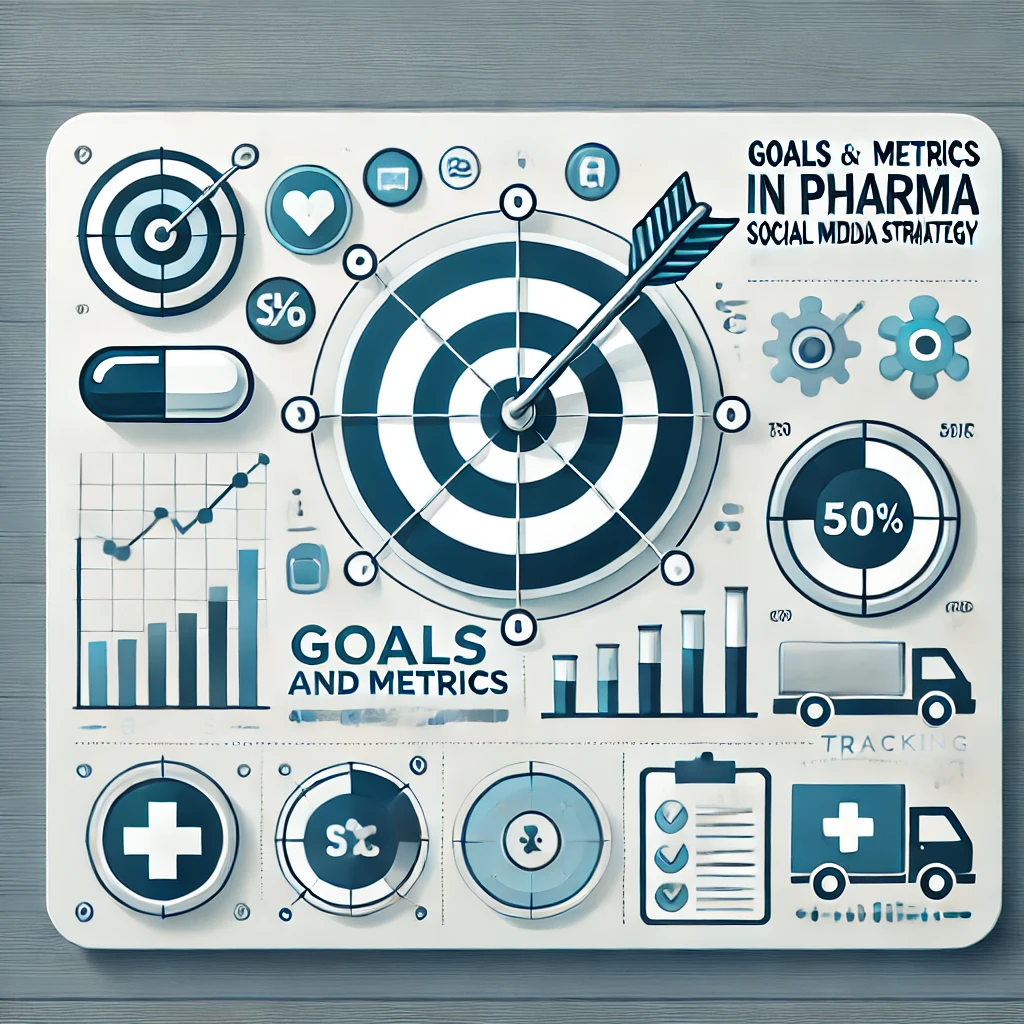
Goals and Metrics in Pharma Social Media Strategy
A robust pharmaceutical social media marketing strategy is essential for building, creating, and engaging in meaningful conversations with your audience. Setting strong goals will guide your approach and help measure the effectiveness of your marketing efforts, something traditional methods cannot achieve.
Through social media, pharma brands can efficiently track Return on Investment (ROI) by monitoring user engagement metrics like impressions, clicks, website hits, leads, and actual purchases. This level of tracking enables real-time adjustments to campaigns, leading to better optimization and more informed future decisions. Moreover, well-defined goals will help differentiate your brand voice from competitors, ensuring you stand out in the crowded pharmaceutical market.
Choosing the Right Platforms
Selecting the appropriate platforms is a crucial step in your pharmaceutical social media marketing journey. Each platform offers a suite of engagement tools and access to different audiences. For example, pharma Instagram pages are excellent for visual content, while platforms like LinkedIn and Twitter are better suited for professional engagement.
Regulated industries like pharmaceuticals must navigate both platform-specific regulations and broader industry rules. Adhering to social media guidelines for pharmaceutical companies ensures that your brand remains compliant while maximizing the reach and impact of your social media efforts.
When building a pharma social media strategy, brands must consider platform-specific rules, audience behavior, and compliance workflows.
Industry Regulations and Compliance
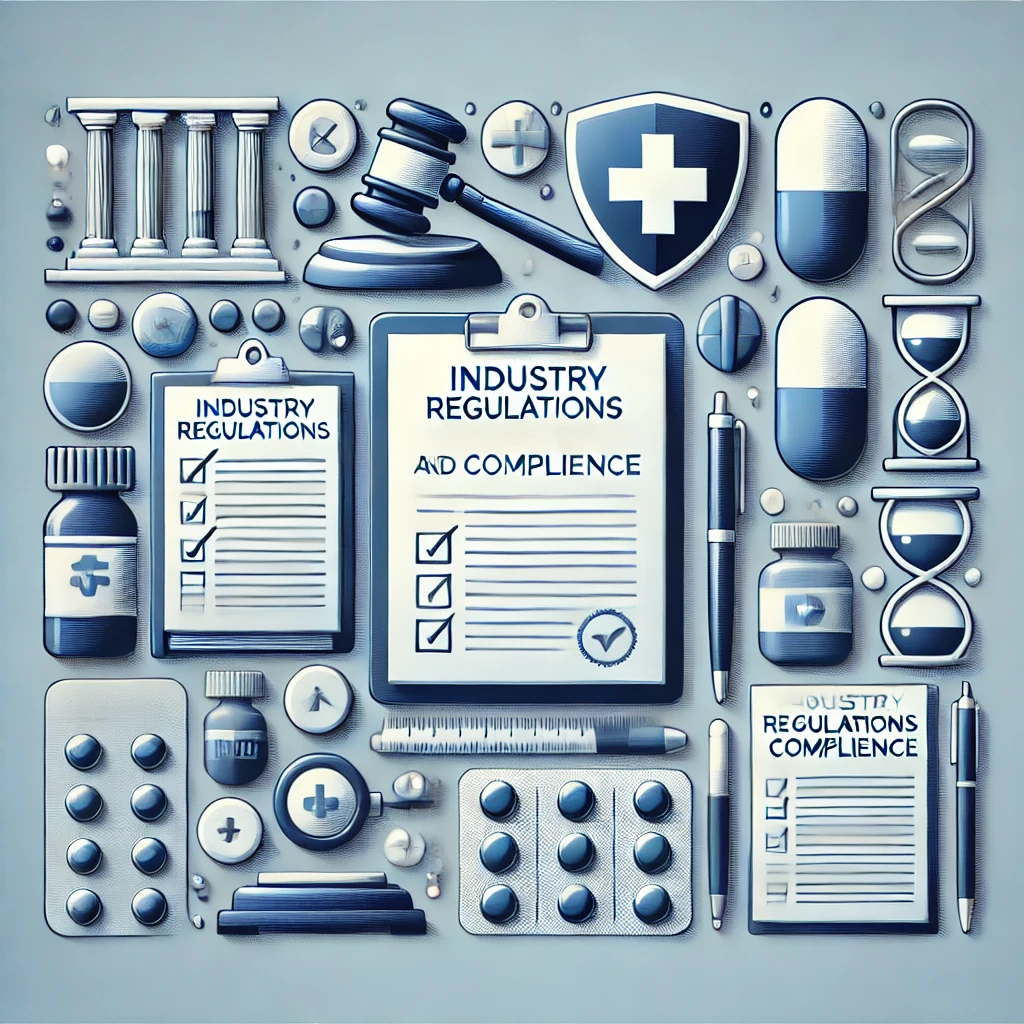
The pharmaceutical sector faces strict regulatory oversight, making compliance a top priority. Every social media interaction must be carefully managed to avoid legal and regulatory pitfalls. Pharmaceutical social media marketing companies often provide services to ensure that your social media activities adhere to the necessary regulations.
Safety and pharmacovigilance are also significant concerns. Your social media management team must be vigilant in monitoring adverse events and potential crises, as these not only affect your brand but also pose risks to real human health.
Content: The Heart of Pharma Social Media strategy
Content is at the heart of any successful Pharmaceutical social media marketing strategy. By producing compelling, compliant content, you can educate both healthcare professionals and the public. Look to successful Pharmaceutical social media marketing examples for inspiration and consider developing a pharmaceutical social media marketing PPT for internal training purposes.
Offer educational health-related content that covers lifestyle, exercise, and dietary tips. Even within the constraints of industry regulations, there is room for creativity. Utilize a variety of content formats, from articles and videos to quizzes and more. Positive feedback can be garnered through partnerships with pharma influencers and by leveraging employee advocacy.
Community Engagement: Building Trust and Loyalty
Community engagement is key to building trust and fostering loyalty among your audience. A skilled social media community manager can engage with patients, families, and healthcare providers to offer valuable information and insights, facilitating positive experiences. By identifying pain points in patients’ journeys and offering resources to address them, your brand can position itself as a partner in health and wellness improvement.
Maintaining 24/7 social media management, whether in-house or outsourced, is critical in regulated industries. Automated messaging apps and chatbot features can ensure that your patients and customers receive timely, accurate information, helping to build trust and loyalty.
Monitoring and Analyzing Performance
Data tracking is essential for optimizing your pharmaceutical social media marketing efforts. Social media platforms and third-party integrations offer powerful tools for tracking conversations about your brand, competitors, and target audiences. As your social media presence grows, analyzing performance data will help you identify patterns—both positive and negative—that require attention.
Real-time performance analysis enables quick and effective responses to emerging trends and issues, helping you generate new leads and maintain a positive brand image.
Pharma Media Marketing: A Critical Component of Modern Pharma Strategy
Today’s pharmaceutical companies must think beyond traditional advertising. Pharma media marketing blends paid media, earned media, and owned media into a unified strategy that engages patients and healthcare professionals (HCPs) across multiple touchpoints.
By combining pharmaceutical digital marketing and social media strategies, brands can enhance their visibility, drive patient education, and ensure compliance with regulatory requirements. Whether through targeted social media ads, branded YouTube channels, or sponsored content partnerships, pharma brands have more tools than ever to reach their audiences effectively.
Successful campaigns use pharma social advertising to connect with highly segmented audiences, often supported by strong pharma media planning to ensure consistent messaging across channels.
The Importance of Social Media Strategists for Pharma Brands
With complex regulations and rapidly evolving platforms, hiring a social media strategist for pharma is becoming a necessity rather than a luxury. These specialists understand the delicate balance between engagement, compliance, and patient safety.
A skilled strategist can help brands develop compliant messaging, select the right platforms, and optimize performance across channels such as LinkedIn, Instagram, Doximity, and more. For pharma companies considering pharma social advertising outsourced services, partnering with experienced strategists ensures campaigns remain aligned with industry standards and maximize ROI.
Best Practices for Social Media Pharmaceutical Marketing
To succeed in social media pharmaceutical marketing, brands must adopt best practices that prioritize trust, transparency, and compliance.
Some key tips include:
-
Always include risk disclosures where applicable.
-
Focus on educational, unbranded campaigns to support disease awareness.
-
Monitor social media channels actively to manage adverse event reporting and maintain social pharmaceutical compliance.
-
Work with expert partners offering pr and social media services pharma to ensure proper moderation and real-time monitoring.
Additionally, leveraging pharma branded content house strategies ensures that all marketing materials align with corporate standards and regulatory requirements.
Exploring Pharmaceutical Ads on Social Media: Opportunities and Challenges
Running a pharmaceutical ad on social media offers new opportunities to promote treatments, educate patients, and build brand loyalty.
However, it also presents unique challenges:
-
Platforms like Facebook and Instagram have strict guidelines for healthcare and pharma ads.
-
All promotional posts must avoid off-label claims and follow fda guidelines for social advertising.
-
Brands must manage risks associated with user comments and ensure timely pharmacovigilance reporting.
With careful pharma digital media planning and a strong compliance framework, pharma brands can succeed while protecting both their reputations and their patients.
Staying Ahead: Trends in Pharma Digital Media
The future of pharma digital media is dynamic and innovation-driven. Emerging trends include:
-
Integration of AI and machine learning for content personalization
-
Expansion of video-first strategies through pharma branded YouTube pages
-
Increased importance of data privacy and regulated content pharmaceutical standards
-
Growing reliance on pharma medico healthcare digital online social media monitoring strategy compliance adherence branded solutions
By staying informed about pharma marketing regulations and adapting quickly, pharmaceutical brands can maintain leadership in an increasingly digital world.
MarketBeam supports pharmaceutical companies by providing end-to-end solutions for pharma media marketing, ensuring compliance, real-time analytics, and seamless publishing across all platforms.
👉 Explore MarketBeam’s platform today to revolutionize your pharmaceutical social media marketing strategy!
Developing a Pharmaceutical Digital Marketing Strategy
Creating a robust Pharmaceutical digital marketing strategy is critical for success in this highly regulated industry. Unlike general consumer marketing, pharmaceutical digital marketing requires a deep understanding of the regulatory environment, as well as the ability to navigate complex healthcare topics.
Your strategy should begin with a clear understanding of your audience, including healthcare providers (HCPs), patients, and caregivers. By segmenting your audience and tailoring your messaging, you can ensure that your marketing efforts resonate with each group. Additionally, incorporating pharmaceutical social media marketing into your overall strategy allows you to engage with your audience in real-time, providing valuable information and building trust.
The Role of Social Media in Pharmaceutical Digital Marketing
Social media platforms have become indispensable tools for pharmaceutical digital marketing and social media campaigns. These platforms offer unparalleled opportunities to engage with both HCPs and patients, providing educational content, product updates, and support. However, navigating social media in the pharmaceutical industry requires careful attention to compliance and regulatory guidelines.
Platforms like LinkedIn, Twitter, and specialized networks such as Doximity and Figure1 are particularly effective for engaging with healthcare professionals. Meanwhile, platforms like Facebook and Instagram are ideal for reaching patients and caregivers. By carefully selecting the right platforms, pharmaceutical companies can maximize the impact of their digital marketing efforts.
Staying Ahead with Pharmaceutical Digital Marketing Trends
Staying current with pharmaceutical digital marketing trends is crucial for maintaining a competitive edge. As digital technologies continue to evolve, new opportunities for engagement and innovation emerge. For instance, the rise of AI-powered chatbots and personalized marketing campaigns has opened new avenues for reaching and engaging with target audiences.
Another trend to watch is the increasing importance of video content. With the growing popularity of platforms like YouTube and TikTok, video content has become a powerful tool for educating patients and healthcare providers about new treatments and health practices. By staying ahead of these trends, pharmaceutical companies can ensure their digital marketing strategies remain relevant and effective.
Career Opportunities in Pharmaceutical Digital Marketing
The rise of digital marketing in the pharmaceutical industry has also created new career opportunities. Pharmaceutical digital marketing jobs are on the rise, with companies seeking professionals who can navigate the unique challenges of this industry while leveraging digital tools to drive engagement and sales. Whether you’re a seasoned marketer or new to the field, pursuing a career in pharmaceutical digital marketing offers exciting prospects for growth and innovation.
For those looking to advance their careers, enrolling in a pharmaceutical marketing professional development course can provide valuable skills and insights. These courses often cover topics such as regulatory compliance, digital strategy, and social media management, equipping professionals with the tools they need to succeed in this complex field.
Learning from Success: Pharmaceutical Digital Marketing Case Studies
Examining pharmaceutical digital marketing case studies can provide valuable insights into what works—and what doesn’t—in this field. By analyzing successful campaigns, companies can learn how to effectively engage with their target audiences while remaining compliant with industry regulations.
For example, a case study might explore how a pharmaceutical company used a combination of social media marketing, email campaigns, and targeted digital ads to launch a new drug successfully. By studying these examples, pharmaceutical marketers can refine their strategies and apply best practices to their own campaigns.
The Importance of Professional Development and Networking
Finally, attending a pharmaceutical digital marketing conference can provide valuable networking opportunities and insights into the latest trends and technologies. These conferences bring together industry leaders, marketers, and healthcare professionals to discuss the future of digital marketing in the pharmaceutical industry. By attending these events, professionals can stay ahead of the curve and ensure their strategies remain cutting-edge.
Pharmaceutical social media marketing presents unique challenges, but with the right strategy, it can significantly enhance your brand’s presence and engagement with patients and healthcare providers. By adhering to industry regulations and leveraging the power of social media, pharmaceutical companies can build strong, compliant strategies that resonate with their target audiences.
Creating a powerful pharmaceutical marketing strategy on social media means balancing innovation with compliance. By using tools designed for regulated industry social media, following FDA guidelines, and adopting evolving pharma social media trends, brands can stay competitive and trustworthy. If you’re ready to simplify and scale your strategy, MarketBeam offers a fully compliant, automated solution for pharma digital marketing.
By adopting a clear and compliant pharma social media strategy, pharmaceutical companies can build trust, scale engagement, and manage risks more effectively.
1. What is a pharma social media strategy?
A pharma social media strategy is a structured plan that helps pharmaceutical companies communicate with patients, healthcare providers, and caregivers on social platforms while staying fully compliant with FDA, HIPAA, and industry regulations. It includes content planning, MLR approvals, publishing workflows, social listening, adverse event monitoring, and compliance checks before posting.
2. Why is pharmaceutical social media marketing important?
Pharmaceutical social media marketing helps brands educate audiences, build trust, share disease awareness content, and support patient communities online. As more patients and HCPs rely on digital channels, pharma companies use social platforms to increase visibility, improve engagement, and deliver accurate, compliant medical information.
3. How can pharma companies stay compliant on social media?
Pharma companies stay compliant by following pharmaceutical social media compliance guidelines, which include:
-
Adding risk disclosures and safety information
-
Ensuring MLR review before publishing
-
Following FDA social media guidelines
-
Protecting patient data under HIPAA
-
Monitoring comments for potential adverse events
-
Using tools that automatically archive activity for audits
A structured review workflow reduces regulatory risk significantly.
4. What is adverse event monitoring in pharma social media?
Adverse event monitoring in pharma social media refers to identifying, escalating, and reporting safety-related comments or posts made by users online. Pharma brands must track mentions related to side effects, symptoms, or medical complaints and follow proper pharmacovigilance processes to stay compliant.
5. Which platforms are best for pharmaceutical social media marketing?
The best platforms for pharmaceutical social media marketing depend on the target audience:
-
LinkedIn: Ideal for HCP engagement and B2B campaigns
-
Instagram & YouTube: Great for patient education and visual storytelling
-
X (Twitter): Useful for medical updates, scientific insights, and real-time communication
-
Facebook: Strong for community-building and awareness campaigns
Each platform requires platform-specific compliance measures.
6. How does MarketBeam help pharma companies with compliance?
MarketBeam provides automated compliance features for regulated industries, including:
-
AI-powered compliance pre-checks
-
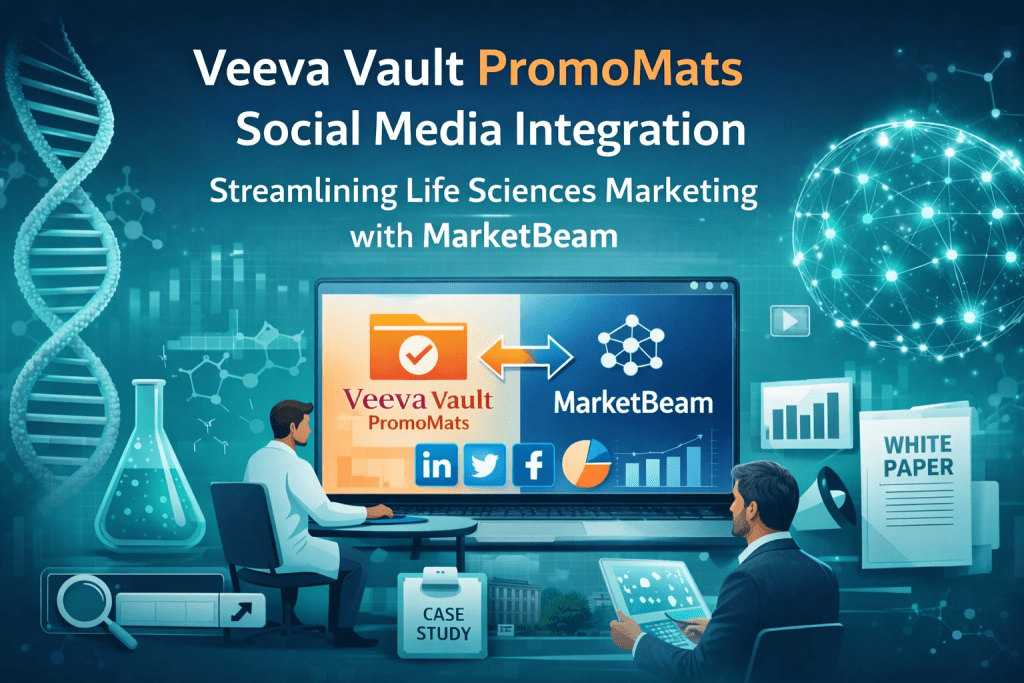
Veeva PromoMats integration for faster MLR approvals
-
Centralized content governance
-
Real-time monitoring and analytics
-
Auto-archiving of all posts and interactions
-
Safe and compliant employee advocacy
This ensures every step of your pharma social media strategy stays audit-ready.
7. What type of content works best for pharmaceutical social media strategies?
High-performing content types include:
-
Patient education videos
-
Disease awareness posts
-
HCP-focused insights
-
Research updates and clinical trial information
-
Infographics and medical visuals
-
Compliance-approved brand messaging
All content must follow pharmaceutical social media compliance rules.
8. What is pharmacovigilance on social media?
Pharmacovigilance on social media involves monitoring online conversations for safety concerns, reporting adverse events, and ensuring patient protection. Pharma teams use automated tools or trained reviewers to ensure monitoring happens 24/7, as required by regulators.
9. Why do pharma companies need MLR approval before posting?
The MLR (Medical, Legal, Regulatory) review process ensures that all social posts are accurate, compliant, and free from misleading claims. It prevents regulatory violations and reduces legal exposure. Using automated tools like MarketBeam speeds up the MLR workflow while maintaining safety.
10. How does employee advocacy work for pharmaceutical brands?
Employee advocacy allows employees to safely share approved, compliant content to expand reach. In pharma, advocacy must follow strict rules, so platforms like MarketBeam ensure only pre-approved posts can be shared, protecting the brand and ensuring compliance.
MarketBeam simplifies pharmaceutical social media marketing with automated scheduling, real-time analytics, and compliance tools. Ready to elevate your strategy? Try MarketBeam today and stay compliant while driving results.