Social media has matured into one of the most visible, regulated, and data-rich business channels. What once started as simple publishing and engagement has evolved into a complex operational function involving approvals, governance, analytics, listening, employee participation, and reputational risk management.
In 2026, organizations can no longer rely on disconnected tools to manage social media. Scheduling tools alone are not enough. Manual approvals do not scale. Isolated analytics fail to show impact. And unmanaged employee activity creates risk rather than value.
This is why modern teams are adopting unified social media management software—platforms designed to manage the full social media lifecycle from creation to compliance, intelligence, and optimization.
This guide explains what social media management software really means today, how it has evolved, which capabilities matter most, and how platforms like MarketBeam are redefining how organizations manage social media responsibly and at scale.
The Evolution of Social Media Management Software
Social media management software has gone through several distinct phases.
In its earliest form, it focused on scheduling posts and managing multiple accounts from a single dashboard. This solved a basic operational problem but ignored everything that happened before and after publishing.
As social media became more central to brand visibility and customer interaction, tools added basic analytics and inbox management. Even then, governance, compliance, and intelligence were largely absent.
Today, social media is treated as regulated communication in many industries and as a strategic data source in others. Software must now support the entire social media operation, not just posting.
Modern social media management software is expected to handle:
-
Content planning and creation
-
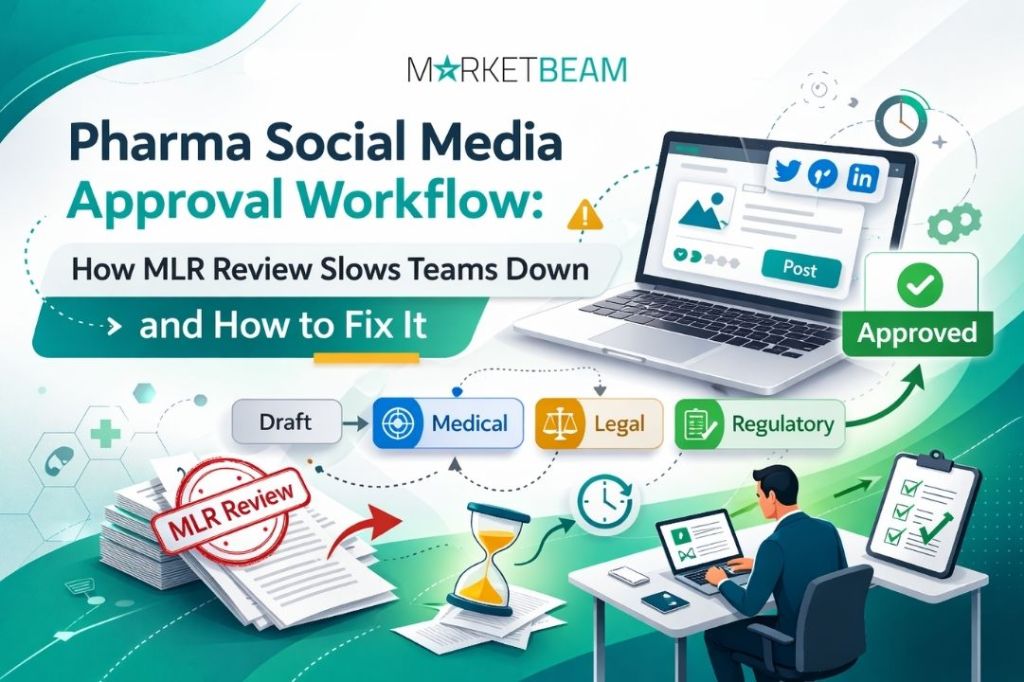
Structured approval workflows
-
Compliance and audit readiness
-
Real-time monitoring and listening
-
Analytics and performance reporting
-
Employee participation
-
Engagement and conversation tracking
-
Competitive intelligence
This shift has transformed social media management software from a marketing utility into core business infrastructure.
What Social Media Management Software Means in 2026
In 2026, social media management software is best understood as a centralized system that governs how organizations communicate, listen, analyze, and respond on social platforms.
It is no longer limited to marketing teams. It is used by:
-
Communications teams
-
Compliance and legal teams
-
Medical or regulatory reviewers
-
Employer branding and HR
-
Sales and advocacy teams
-
Leadership and strategy teams
The software becomes the single source of truth for all social activity, ensuring consistency, accountability, and visibility.
Why Organizations Need a Unified Social Media Platform
As social media usage grows, so do operational challenges.
Many organizations struggle with:
-
Multiple teams publishing independently
-
Inconsistent messaging across channels
-
Manual approvals via email or documents
-
No centralized record of approvals
-
Limited visibility into conversations
-
Fragmented analytics across tools
-
Compliance exposure and audit stress
Using separate tools for publishing, compliance, listening, analytics, and advocacy creates silos and risk. A unified platform reduces complexity by connecting every stage of the social media lifecycle.
Instead of managing social media as a set of tasks, organizations begin managing it as a governed process.

Social Media Management Software as a System of Record
One of the most important shifts in modern platforms is the idea of social media management software as a system of record.
This means:
-
Every post is tracked from creation to publication
-
Every approval is recorded with timestamps
-
Every edit is logged
-
Every interaction is traceable
-
Historical data is preserved
This approach supports transparency, accountability, and long-term analysis. It also provides confidence during audits, reviews, or internal assessments.
Compliance Embedded into Social Media Workflows
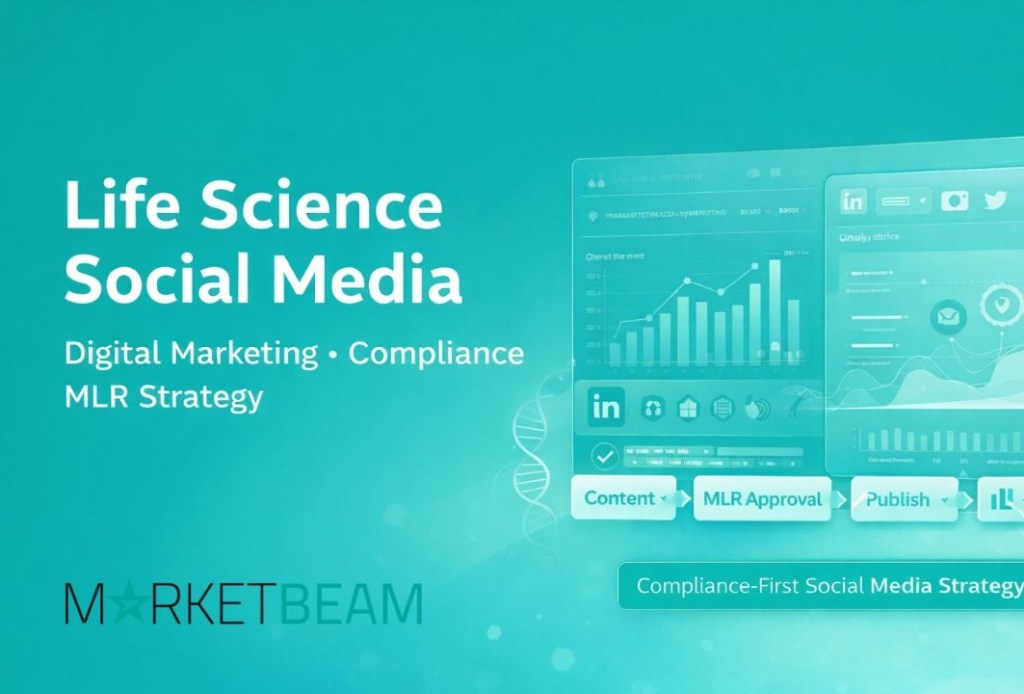
Compliance is no longer a separate step. In modern social media management software, it is embedded directly into workflows.
This is especially important for organizations operating in regulated or high-risk environments, where social media content can be considered official communication.
Embedded compliance ensures that:
-
Content cannot be published without required approvals
-
Review steps follow defined processes
-
Policies are enforced consistently
-
Audit trails are generated automatically
-
Compliance does not slow teams down
By integrating compliance into daily workflows, teams reduce risk without sacrificing speed.
Social Listening as an Intelligence Layer
Publishing content is only half of social media management. Listening is the other half.
Social listening software enables organizations to monitor what is being said across social platforms, not just on their own profiles but across the broader ecosystem.
Effective listening supports:
-
Brand reputation monitoring
-
Early detection of issues or misinformation
-
Sentiment analysis
-
Topic and trend discovery
-
Competitive awareness
In modern platforms, listening is not an isolated function. It is connected to engagement, analytics, and reporting, allowing insights to inform decisions across teams.
Turning Conversations into Insight
Beyond monitoring mentions, modern social media management software enables conversational intelligence.
This involves analyzing:
-
Comments
-
Replies
-
Direct messages
-
Repeated questions or themes
-
Escalation patterns
By tracking conversations centrally, teams gain a deeper understanding of audience concerns, expectations, and sentiment. This insight supports better content planning, faster responses, and more informed strategy.
Analytics That Support Strategy, Not Just Reporting
Analytics are a core pillar of social media management software, but their purpose has evolved.
Instead of simply reporting likes or impressions, modern analytics help teams understand:
-
Content performance over time
-
Campaign effectiveness
-
Channel contribution
-
Engagement quality
-
Trends and patterns
Advanced reporting supports decision-making at multiple levels, from day-to-day optimization to leadership strategy. Analytics become a feedback loop that improves social performance continuously.
The Role of Employee Advocacy Software
Employees represent one of the most trusted and underutilized distribution channels.
Employee advocacy software enables organizations to safely and consistently involve employees in social media sharing without losing control.
Modern advocacy capabilities include:
-
Approved content libraries
-
One-click sharing
-
Visibility into participation
-
Measurement of reach and engagement
-
Guardrails to prevent unapproved content sharing
When integrated into the broader platform, advocacy becomes a structured extension of brand communication rather than a risk.
Managing Engagement at Scale
As social media presence grows, so does engagement volume.
Managing comments, replies, and messages manually across platforms is inefficient and inconsistent. Modern social media management software centralizes engagement so teams can:
-
View all conversations in one place
-
Assign responses to team members
-
Maintain consistent tone and messaging
-
Track response times
-
Escalate sensitive issues
Centralized engagement management improves responsiveness while maintaining governance.
Competitive and Replacement Content Awareness
Social media does not exist in isolation. Audiences constantly compare brands, products, and messages.
Competitive and replacement content analysis helps organizations understand:
-
How competitors position themselves
-
Which topics competitors emphasize
-
Where messaging overlaps or diverges
-
What alternatives audiences discuss
This awareness informs content strategy and positioning, helping teams stay relevant and differentiated.
Industry-Specific Governance and Context
Different industries face different expectations, risks, and regulatory pressures.
Modern social media management software increasingly supports industry-specific governance by allowing teams to configure workflows, rules, and policies that reflect real-world requirements.
This may include:
-
Medical or regulatory review steps
-
Disclosure and supervision rules
-
Claim validation
-
Archiving and retention policies
Industry-aware platforms reduce friction by aligning software behavior with operational reality.
How Unified Social Media Management Improves Efficiency
When publishing, compliance, listening, analytics, engagement, and advocacy are unified, organizations benefit from:
-
Fewer tools to manage
-
Less duplication of effort
-
Clear ownership and accountability
-
Faster turnaround times
-
Better visibility across teams
Unified platforms reduce operational overhead and improve confidence in social media execution.
Social Media Management Software and Risk Reduction
One of the most overlooked benefits of modern platforms is risk reduction.
Risk can come from:
-
Unapproved posts
-
Inconsistent messaging
-
Missed negative conversations
-
Incomplete records
-
Inability to respond during audits
By centralizing control and visibility, social media management software reduces both operational and reputational risk.
How MarketBeam Approaches Social Media Management
MarketBeam is built as a unified social media management platform that supports publishing, compliance, listening, analytics, engagement, advocacy, and governance in one system.
Instead of layering features onto a basic scheduler, MarketBeam integrates control and intelligence into the core workflow. This approach allows teams to move faster while remaining confident and compliant.
The platform is designed to support structured processes without creating unnecessary friction.
Choosing the Right Social Media Management Software
When evaluating platforms, organizations should consider:
-
Whether workflows match real approval processes
-
How compliance is enforced
-
How listening and engagement are integrated
-
The depth and usability of analytics
-
Support for employee participation
-
Long-term scalability and adaptability
The right platform should support growth, not limit it.
FAQ: Social Media Management Software
| Question | Answer |
|---|---|
| What is social media management software? | It is a centralized platform that helps organizations manage publishing, approvals, listening, analytics, engagement, and governance across social channels. |
| Why is compliance important in social media software? | Compliance ensures content is reviewed, approved, archived, and auditable, reducing regulatory and reputational risk. |
| How does social listening fit into social media management? | Social listening provides awareness of brand mentions, sentiment, trends, and issues, turning social media into an intelligence source. |
| What is employee advocacy software? | It enables employees to safely share approved content while maintaining visibility and control. |
| Can one platform manage all social media functions? | Modern platforms are designed to unify publishing, compliance, listening, analytics, and engagement in one system. |
| Is social media management software only for marketing teams? | No. It supports marketing, communications, compliance, HR, and leadership teams. |
The Future of Social Media Management Software
Looking ahead, social media management software will continue to evolve toward:
-
Greater automation with accountability
-
Deeper intelligence from conversations
-
Stronger integration with business systems
-
More configurable governance
-
Increased focus on risk prevention
Organizations that adopt unified, intelligent platforms will be better prepared to manage complexity as social media continues to grow in importance.
Final Thoughts
Social media is no longer informal, experimental, or isolated. It is visible, regulated, and strategically important.
The right social media management software enables organizations to manage social media with structure, insight, and confidence. By unifying publishing, compliance, listening, analytics, engagement, and advocacy, modern platforms help teams move from reactive posting to controlled, intelligence-driven operations.
As 2026 approaches, organizations that treat social media as infrastructure rather than activity will be the ones that scale responsibly and sustainably.
With MarketBeam, MedTech companies can manage influencer content, track engagement, and automate compliance—all within one secure platform.
👉 Learn more about Social Media Compliance for MedTech