I. Introduction
Biotech advertising software is transforming how life science companies promote their brands. Unlike traditional agencies, a software-driven approach enables biotech teams to run compliant, scalable, and measurable campaigns while maintaining full control over messaging.
The biotech industry is experiencing explosive growth, driven by rapid innovation, increased healthcare demands, and significant investment in research and development. As new biotech companies emerge and established players expand, the competition for visibility and market share becomes more intense than ever before.
In this dynamic landscape, strategic advertising is no longer optional—it’s essential. Biotech brands must communicate complex, science-driven value propositions to diverse audiences, including healthcare professionals, investors, patients, and regulators. Effective advertising ensures that your brand not only stands out but is also understood, trusted, and compliant.
As digital transformation reshapes the way businesses engage with their audience, biotech companies must also navigate stringent regulatory frameworks such as FDA guidelines and MLR review processes. That’s where smart, compliant advertising strategies come into play—blending creativity with precision and compliance.
In the sections ahead, we’ll explore how to create powerful biotech advertising campaigns that promote your brand effectively and responsibly.

II. Why Advertising Matters for Biotech Brands
In the biotech industry, where products are often technical, data-driven, and highly specialized, advertising plays a crucial role in simplifying complex information for a broader audience. Whether your goal is to reach healthcare providers, investors, or patients, clear and compliant communication is key.
1. Educating Target Audiences
Biotech products often involve cutting-edge science—such as gene therapy, molecular diagnostics, or novel biologics—that may be unfamiliar to your target audience. Effective advertising serves as an educational bridge, translating technical data into accessible narratives. This empowers stakeholders to understand the benefits and relevance of your innovation.
2. Building Trust and Credibility
Trust is paramount in a highly regulated space like biotech. Transparent, accurate, and compliant advertising can position your brand as a credible thought leader. When your messaging aligns with FDA and regulatory guidelines, it reassures both the public and regulatory bodies that your company values ethical and responsible communication.
3. Standing Out in a Competitive Market
With thousands of biotech companies competing for attention, advertising is your opportunity to differentiate your brand. A strategic campaign can spotlight your unique selling proposition (USP), clinical milestones, or breakthrough technologies—ensuring your message cuts through the noise in an innovation-driven industry.
III. Understanding Your Target Audience
Effective biotech advertising begins with a deep understanding of who you’re trying to reach. The biotech space isn’t limited to one audience—it includes a diverse mix of professionals and stakeholders, each with distinct motivations and needs. Crafting personalized, data-backed campaigns helps ensure your message resonates with the right people.
1. Identifying Your Key Stakeholders
Biotech companies typically need to engage with four main groups:
- Healthcare professionals (HCPs): Doctors, researchers, and medical experts who are interested in clinical efficacy, safety data, and trial results.
- Investors and partners: Financial backers, venture capitalists, and strategic collaborators looking for growth potential and innovation.
- Patients and caregivers: Individuals seeking information on treatment options, accessibility, and real-world outcomes.
- Industry peers and regulators: Key opinion leaders (KOLs), regulatory bodies, and associations who can influence perception and compliance.
Understanding which group you’re targeting allows you to fine-tune both your content and delivery channels.
2. Using Data-Driven Insights to Personalize Campaigns
Biotech advertising thrives on precision. Leverage tools like CRM data, web analytics, and social listening platforms to gather actionable insights. What are your audiences reading? What platforms do they use most? What kind of content drives clicks and engagement?
This data allows you to customize your messaging—whether it’s a whitepaper for physicians or an educational video for patients—based on audience behavior and preferences.
3. Role of Personas in Biotech Advertising
Creating detailed buyer personas helps humanize your target audience. These fictional profiles represent key audience segments and include demographic info, goals, challenges, content preferences, and preferred communication channels.
By using personas, you can guide your advertising efforts with empathy and clarity—delivering the right message to the right audience, at the right time.

IV. Advertising Channels for Biotech Companies
In the highly specialized world of biotech, choosing the right advertising channels is crucial. Each platform plays a distinct role in driving awareness, nurturing leads, and maintaining compliance. Below are key biotech advertising channels that combine reach, credibility, and strategic targeting.
1. Digital Advertising
Biotech companies can tap into powerful digital ad platforms like:
- Google Ads: Great for search intent-based advertising, especially for B2B keywords like “gene therapy companies” or “biotech partnerships.”
- Programmatic Ads: Use AI to automatically place ads across targeted websites and reach niche audiences like researchers or investors.
- Retargeting Ads: Remind past visitors or engaged users about your brand, boosting conversions with contextual relevance.
Digital ads can be highly targeted and data-driven, making them an efficient way to engage HCPs, patients, and investors alike.
2. Social Media Advertising
While regulated, social media remains a high-impact channel for biotech advertising:
- LinkedIn Ads: Ideal for targeting professionals, investors, and decision-makers in the biotech and life sciences industry.
- Twitter (X): Used for thought leadership, conference coverage, and real-time biotech updates.
- Compliance-Friendly Platforms: Use tools like MarketBeam to ensure every social media post is pre-reviewed, MLR-approved, and compliant with FDA guidelines.
Social media platforms also support employee advocacy and help extend organic reach when paired with compliant automation tools.
3. Content Marketing
Biotech brands can position themselves as thought leaders through:
- Blogs: Share innovations, case studies, and company news.
- Whitepapers & eBooks: Provide in-depth research and educational resources for HCPs and stakeholders.
- SEO-optimized articles: Drive organic traffic and establish domain authority in biotech-specific search terms.
Long-form content builds trust, boosts search visibility, and fosters lead generation over time.
4. Video Marketing
Video is a powerful way to explain complex scientific concepts:
- Explainer Videos: Break down how your biotech solution works in under 2 minutes.
- Patient Stories & Testimonials: Humanize your science with real-world impact.
- Event Highlights & Interviews: Share insights from conferences or expert panels.
Platforms like YouTube, LinkedIn, and even conference booths can amplify your video marketing strategy.
5. Email Marketing
Email remains one of the most direct and compliant communication tools:
- Lead Nurturing Sequences: Educate prospects over time with gated content and personalized updates.
- Stakeholder Updates: Regular newsletters for investors, partners, and physicians.
- Drip Campaigns: Triggered emails based on user actions for deeper engagement.
With proper segmentation and personalization, email marketing delivers excellent ROI.
6. Conference & Publication Advertising
Industry-specific events and journals remain vital:
- Conference Ads & Sponsorships: Targeted exposure at biotech events like BIO International or JP Morgan Healthcare.
- Trade Publications: Ads in peer-reviewed journals or platforms like GEN or Nature Biotechnology help build authority.
These traditional channels offer credibility and reach in a research-intensive audience segment.

V. Compliance in Biotech Advertising
Compliance is not just a formality in biotech advertising—it’s a business-critical necessity. With strict regulations from governing bodies like the FDA and HIPAA, even a single misstep can result in hefty fines, reputational damage, or legal action. For biotech companies, adhering to compliant advertising practices ensures both patient safety and brand integrity.
1. Understanding FDA, HIPAA, and Other Regulatory Guidelines
- FDA Regulations: The U.S. Food and Drug Administration (FDA) provides strict guidelines for promotional content, especially for drug and medical device marketing. Advertisements must be truthful, balanced, and non-misleading. Every claim must be supported by scientific evidence.
- HIPAA Compliance: Biotech firms handling patient data must ensure advertising strategies do not inadvertently disclose protected health information (PHI). This affects patient testimonials, case studies, and user-generated content.
- Global Guidelines: If marketing across borders, companies must also be aware of EU regulations like GDPR (data protection) and EMA (European Medicines Agency) rules for drug promotion.
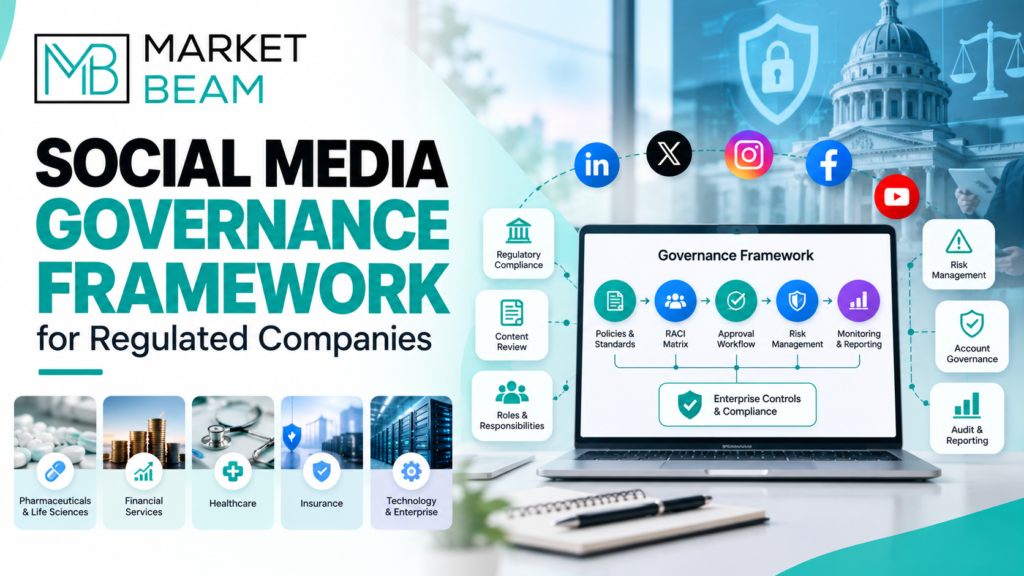
2. MLR (Medical, Legal, Regulatory) Review Process
The MLR review process is the gold standard for ensuring compliant messaging in the life sciences industry. Here’s how it works:
- Medical Review: Ensures the scientific accuracy of claims and references.
- Legal Review: Verifies that content meets advertising and privacy laws.
- Regulatory Review: Confirms that the promotional materials comply with industry and governmental standards.
This cross-functional review can be time-consuming, but it’s essential for mitigating risk—especially in high-stakes biotech marketing.
3. Ensuring Compliant Messaging Across All Campaigns
To maintain consistency and avoid compliance pitfalls, biotech marketers must:
- Use Pre-Approved Messaging Templates: Limit risk by using content that’s already MLR-approved for use in ads, social posts, emails, and webinars.
- Adopt Compliance-Friendly Tools: Platforms like MarketBeam automate the review and publishing process, ensuring content is only posted after full MLR approval.
- Maintain Audit Trails: Documenting every step of the approval and publishing process is key for regulatory audits. MarketBeam stores data up to 2 years to meet FDA audit requirements.
- Train Your Team: Make compliance part of your marketing culture. Regular training ensures every employee—from content creators to social media managers—understands the rules.
VI. How MarketBeam Supports Biotech Advertising
Biotech companies face a dual challenge: reaching a specialized audience while staying fully compliant with industry regulations. That’s where MarketBeam comes in—designed specifically for regulated industries, MarketBeam simplifies and secures biotech advertising across digital platforms.
1. Compliant Publishing and Automated MLR Workflows
MarketBeam streamlines the content approval process with automated MLR workflows, allowing marketing, legal, and regulatory teams to collaborate seamlessly in one platform. Every post goes through an FDA-compliant review process before publishing, ensuring your campaigns stay within the bounds of regulatory standards. This means no delays, no compliance headaches—just confident, audit-ready marketing.
2. Social Media Scheduling with Built-in FDA-Safe Features
Biotech marketers can schedule posts in advance using MarketBeam’s intuitive dashboard, with features that automatically flag non-compliant content, prevent unauthorized publishing, and maintain a consistent voice across platforms like LinkedIn and Twitter. It ensures that only MLR-approved posts are shared, removing the risk of accidental policy violations.
3. Employee Advocacy to Amplify Biotech Reach
MarketBeam enables secure employee amplification, transforming your internal team into a network of brand advocates. With features like 1-click sharing and auto-scheduling, employees can share pre-approved biotech content across their personal networks. This drastically expands your content’s reach, building credibility and trust—two essentials in biotech advertising.
4. CRM and Analytics Integration for Performance Optimization
With deep integrations into tools like HubSpot and Salesforce, MarketBeam links social media engagement directly to your CRM. This allows biotech brands to track performance, leads, and ROI with precision. You can identify which campaigns are driving real business outcomes and make data-driven decisions to optimize your strategy further.
VII. Measuring the Success of Biotech Advertising Campaigns
Tracking the performance of your biotech advertising campaigns is just as important as creating them. In a data-driven industry like biotech, success depends on proving impact with measurable results.
1. Key Performance Indicators (KPIs)
To understand what’s working and what needs adjustment, biotech marketers must monitor a variety of KPIs:
- Reach – How many people saw your content?
- Engagement – Are viewers interacting through likes, shares, and comments?
- Conversion Rates – Are viewers taking action—signing up, downloading resources, or requesting demos?
- Return on Investment (ROI) – Are your campaigns delivering tangible value relative to costs?
2. Tools and Dashboards for Tracking Campaign Impact
MarketBeam’s real-time analytics dashboard provides a centralized view of campaign performance. It offers insights into audience behavior, employee advocacy impact, and channel-specific performance, all within a compliance-safe environment. You can also integrate with tools like Google Analytics or your CRM to further enrich campaign data.
3. Importance of A/B Testing and Real-Time Optimization
No two campaigns are the same. Running A/B tests on creative elements, targeting strategies, and messaging helps biotech companies refine their campaigns for maximum efficiency. Real-time data lets you adjust strategies on the fly, ensuring your content stays relevant, engaging, and compliant.
VIII. Case Study: Successful Biotech Advertising with MarketBeam
To illustrate the real-world impact of a strategic and compliant advertising approach, let’s look at a simplified example of a biotech company leveraging MarketBeam for social media amplification.
Before MarketBeam
A mid-sized biotech company specializing in rare disease therapeutics was struggling to gain traction with its social media content. Despite having valuable content and a clear target audience of healthcare professionals and patient advocates, their posts received minimal engagement. Additionally, the MLR (Medical, Legal, Regulatory) review process was slowing down campaign execution, leading to delays in reaching the market with time-sensitive content.
Challenges:
- Delayed MLR approvals
- Low engagement and reach on social platforms
- No centralized analytics to assess campaign ROI
- No employee advocacy to amplify content
After Implementing MarketBeam
With MarketBeam, the company was able to streamline its MLR workflow using compliant publishing features and set up automated scheduling across FDA-safe social platforms. MarketBeam’s employee advocacy module empowered internal teams to share pre-approved content, expanding the reach organically.
Results:
- 45% increase in social media reach in just 3 months
- 70% faster content approvals through automated workflows
- 3X more engagement on LinkedIn via employee sharing
- Unified dashboard tracking performance across all channels
MarketBeam not only simplified the compliance process but also turned their internal teams into brand advocates, helping the company gain visibility and trust in a competitive biotech space.
IX. Future Trends in Biotech Advertising
As biotech brands continue to embrace digital transformation, staying ahead of advertising trends is critical to remaining competitive and compliant. Here are some key developments shaping the future of biotech advertising:
1. AI and Predictive Targeting
Artificial Intelligence is revolutionizing how biotech companies approach audience segmentation and ad targeting. AI can analyze large volumes of data to identify patterns, predict user behavior, and automate content delivery. This ensures your campaigns reach the most relevant audiences—whether they’re healthcare professionals, investors, or patient communities—at the right time, increasing both engagement and ROI.
2. Interactive Content and AR in Biotech Promotions
Biotech advertisers are beginning to use interactive content such as quizzes, 3D models, and augmented reality (AR) to explain complex scientific concepts. These formats can simplify product education, improve content retention, and create immersive brand experiences. For example, AR can be used at medical conferences to visually demonstrate how a therapy interacts at the cellular level.
3. Growing Importance of Privacy and First-Party Data
With increasing regulations around data privacy (such as GDPR and HIPAA), biotech advertisers are shifting toward first-party data strategies. This means collecting data directly from user interactions and company-owned assets, which is more privacy-compliant and reliable. Tools like MarketBeam help securely manage this data while ensuring regulatory alignment in how it’s used for campaign targeting and reporting.
These emerging trends signal a more intelligent, engaging, and privacy-conscious future for biotech advertising. Companies that adapt early will not only stay compliant but also gain a competitive edge in a crowded market.
X. Conclusion
In today’s innovation-driven and highly regulated biotech environment, advertising is not just a growth lever—it’s a necessity. From educating complex audiences to differentiating in a crowded space, a well-executed advertising strategy can elevate brand visibility, foster trust, and drive measurable business outcomes.
However, success in biotech advertising depends not only on creativity and targeting but also on regulatory compliance and data accuracy. That’s where platforms like MarketBeam play a transformative role—bridging the gap between marketing agility and compliance confidence. With tools for compliant publishing, automated MLR workflows, analytics integration, and employee advocacy, MarketBeam empowers biotech companies to run smarter, safer, and more scalable campaigns.
With the right biotech advertising software, your company can amplify reach, ensure compliance, and track every campaign with confidence. MarketBeam empowers biotech brands to move beyond agencies and scale advertising with automation.
Ready to future-proof your biotech advertising?