Pharmaceutical Digital Marketing
In an industry as regulated and complex as pharmaceuticals, digital marketing requires a nuanced approach. Here’s a guide to mastering the basics of digital marketing for the pharmaceutical sector.

Understanding the Regulatory Landscape
– Compliance with FDA Guidelines: Ensure all marketing materials, including social media posts, are FDA-compliant. This includes accurate drug information, side effects, and fair balance.
– Data Privacy Considerations: Adhere to HIPAA regulations when handling patient data in any digital marketing efforts.
Building a Strong Online Presence
– SEO for Pharma: Focus on long-tail keywords related to specific conditions, treatments, and drugs. Optimize your website for search engines to reach healthcare professionals (HCPs) and patients effectively.
– Content Marketing: Create educational content such as blogs, whitepapers, and videos that provide valuable insights into disease management, treatment options, and the latest research.
Social Media Marketing
– Choosing the Right Platforms: LinkedIn is ideal for B2B communication with HCPs, while Facebook and Instagram can be leveraged to engage with patients and caregivers.
– Social Listening: Monitor conversations about your brand, competitors, and industry trends to inform your marketing strategy and address potential issues proactively.
Email Marketing
– Targeted Campaigns: Segment your audience into HCPs, patients, and other stakeholders to send tailored messages. Use email marketing to share updates on new treatments, clinical trials, and patient support programs.
– Automation: Implement automated email campaigns to nurture leads and maintain ongoing communication with your audience.
Paid Advertising
– PPC Campaigns: Utilize Google Ads to target specific keywords related to your products or services. Ensure that your ads are clear, compliant, and drive traffic to relevant landing pages.
– Social Media Ads: Leverage paid social media campaigns to increase brand awareness and drive engagement, particularly around disease awareness initiatives.
Engaging Healthcare Professionals (HCPs)
– Webinars and Virtual Conferences: Host online events to discuss the latest advancements in your field. These can be valuable for educating HCPs and positioning your brand as a thought leader.
– Influencer Partnerships: Collaborate with key opinion leaders (KOLs) and influencers in the healthcare industry to amplify your reach and credibility.
Measuring Success
– Analytics Tools: Use tools like Google Analytics, social media insights, and specialized pharma marketing platforms to track the performance of your campaigns.
– Key Metrics: Focus on metrics such as engagement rate, conversion rate, and ROI to assess the effectiveness of your digital marketing efforts.
Staying Ahead of Trends
– Emerging Technologies: Explore the potential of AI, machine learning, and augmented reality (AR) in enhancing patient engagement and personalizing marketing efforts.
– Patient-Centric Marketing: Shift towards patient-centric approaches by focusing on delivering value, building trust, and enhancing the patient experience through digital channels.
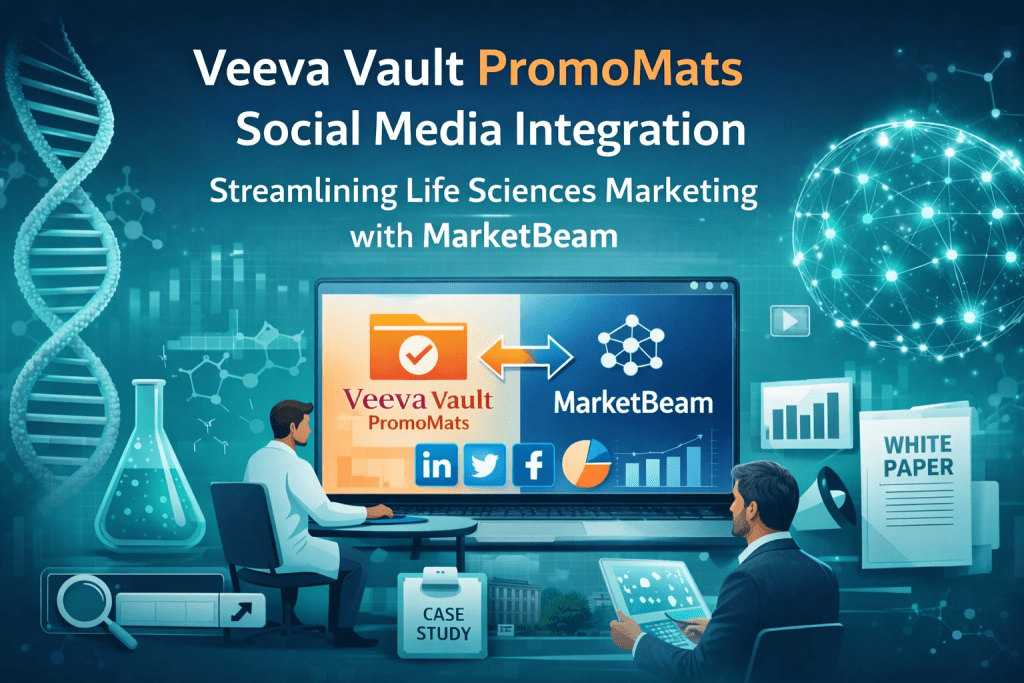
When it comes to digital marketing in regulated industries like pharmaceuticals, MarketBeam stands out as a powerful tool. It not only ensures that your social media content is compliant with industry regulations but also amplifies your brand’s reach through automated publishing and employee advocacy. MarketBeam’s advanced analytics and reporting capabilities provide valuable insights, helping you make data-driven decisions while maintaining strict adherence to regulatory standards. This makes it an indispensable asset for pharmaceutical companies looking to navigate the complexities of digital marketing with confidence and precision.