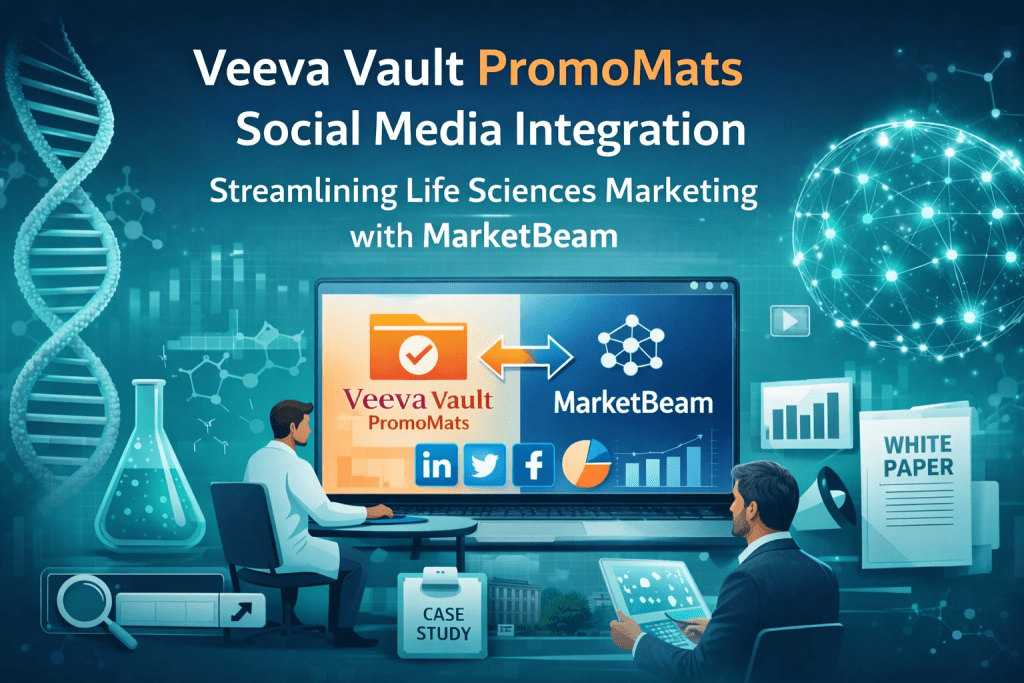
Biotech digital marketing is becoming essential in 2025 as competition increases. A strong biotech marketing strategy helps companies attract investors and communicate complex science clearly. This guide explains digital marketing for biotech companies and the latest biotech marketing trends 2025.
The biotechnology industry is one of the most rapidly evolving sectors in the world, projected to reach over $2 trillion by 2025. With such explosive growth comes fierce competition. To stay ahead, biotech companies must combine scientific innovation with strategic communication. This is where digital marketing for biotech plays a vital role.
Why a Biotech Digital Marketing Strategy Matters in 2025
A strong biotech digital marketing strategy matters more than ever in 2025 as the industry becomes increasingly competitive, data-driven, and investor-focused. Today, digital marketing for biotech companies is essential for communicating complex scientific innovations in a way that is simple, credible, and accessible to non-technical audiences. With rising demand for transparency, faster go-to-market cycles, and the growth of virtual scientific engagement, biotech brands must rely on life sciences digital marketing to build trust, attract investors, and influence key decision-makers. A well-structured approach ensures visibility, reinforces scientific authority, and positions your company to capitalize on the latest biotech marketing trends 2025.
Biotech Marketing Strategy for Competitive Advantage
A well-defined biotech marketing strategy helps companies stand out in a competitive industry driven by innovation and regulatory precision. It goes beyond traditional advertising to focus on educating target audiences, building credibility, and fostering trust. By combining SEO, thought leadership, and social media publishing, biotech brands can reach investors, partners, and customers faster—while maintaining full compliance with industry regulations.
Bullet Points (Optional for Readability):
-
Define clear audience segments (researchers, healthcare providers, investors)
-
Develop educational content that addresses pain points
-
Use compliant publishing tools to maintain consistency
-
Track engagement metrics to refine campaigns
What Is Biotech Digital Marketing?
Biotech digital marketing is the process of promoting biotechnology products, services, and research through digital platforms. This involves a mix of technical storytelling, regulatory-compliant communication, and strategic digital campaigns. Whether you’re targeting investors, researchers, healthcare providers, or the general public, a tailored approach is essential.
Biotech digital marketing includes:
- Website optimization
- SEO (Search Engine Optimization)
- Social media marketing
- Email marketing
- Paid advertising (PPC)
- Video marketing
- Webinars and events
- Analytics and performance tracking
Why Digital Marketing Is Crucial for Biotech Companies
Digital marketing helps biotech companies reach global audiences, establish credibility, and generate qualified leads. It supports:
- Strong online presence and brand awareness
- Credible content distribution
- Effective engagement with partners and customers
- Compliance with regulatory requirements (FDA, HIPAA, etc.)
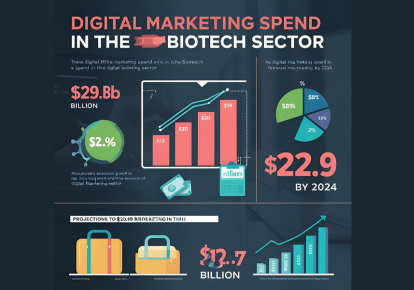
Stat: Digital marketing spend in biotech is expected to reach $20.9 billion by 2024.
From Science to Sales: Marketing for Biotechnology Companies
Biotech companies must not only push scientific innovation but also communicate it effectively. Marketing bridges the gap between lab research and commercial success. A well-executed biotech marketing strategy can:
- Attract venture capital and partnerships
- Increase awareness among healthcare professionals
- Drive product adoption and brand loyalty
Key Audiences in Biotech Marketing
- Scientists and researchers
- Healthcare professionals
- Investors and VCs
- Patients and caregivers
- Distributors and procurement teams

Each audience requires a specific messaging style, level of detail, and channel strategy.
Top Trends in Digital Marketing for Biotech
- AI-Powered Personalization
- Using AI to tailor website content, email campaigns, and landing pages based on user behavior.
- Scientific Storytelling Through Video
- 3D animations and short explainers help communicate complex biotech topics.
- Regulatory-First Social Media Tools
- Tools like MarketBeam ensure MLR-approved workflows and automated archiving.
- Data-Driven Targeting
- Using analytics to segment audiences by role, behavior, and lifecycle stage.
- Voice Search and Mobile Optimization
- Ensuring mobile UX and local SEO for users searching biotech topics on the go.
- Virtual Events and Webinars
- Creating global access to conferences, product demos, and educational panels.
- Inbound Thought Leadership
- Developing blogs, eBooks, and reports that showcase expertise and attract traffic.
Building a Strong Online Presence
A well-crafted online presence is your biotech brand’s digital backbone. This includes:
- A professionally designed website
- Accessible UX/UI on all devices
- Optimized landing pages for lead conversion
- Active, compliant social media profiles
Optimized Website Content
- Use clear headlines and calls-to-action (CTAs)
- Highlight clinical results, case studies, and media coverage
- Add downloadable brochures, videos, and investor kits
Mobile UX and Page Speed
- Use responsive design
- Compress images and enable caching
- Keep navigation intuitive and tap-friendly
Biotech Marketing Strategies That Drive Results
1. Conducting Biotech Market Research
Understanding your audience is step one. Surveys, interviews, and competitive analysis help define needs and gaps. Use these insights to inform positioning, messaging, and channel selection.
- Analyze current trends in genomics, diagnostics, therapeutics
- Identify buying behaviors in research institutions vs. healthcare systems
- Use reports from McKinsey, Bio.org, Statista, etc.
2. Leveraging Inbound Marketing
Inbound marketing attracts leads with valuable, science-based content. Tactics include:
- Educational blog posts
- Whitepapers and research summaries
- Webinars and virtual panels
- Case studies and real-world applications

This strategy positions your brand as a trusted authority and helps build a qualified sales pipeline.
3. Building a Strategic Website
A biotech website must be:
- Informative and compliant
- Mobile-optimized
- Easy to navigate
- Integrated with analytics and CRM tools
It should include:
- Product and pipeline pages
- Clinical trial results
- Newsroom and press releases
- Investor relations sections
4. Investing in SEO
A solid SEO strategy improves visibility and brings organic traffic. Key actions:
- Target long-tail, technical keywords
- Optimize metadata and headers
- Build backlinks from trusted life science domains
- Update pages based on search trends and performance
5. Utilizing Video and Animation
Video helps simplify scientific messaging. Common biotech video types:
- Product overviews
- Disease awareness explainers
- Clinical trial highlights
- Investor pitch decks
Embed videos on landing pages, emails, and social media to increase retention and clicks.
Tools That Power Biotech Marketing
| Tool | Purpose | Why It Matters |
| MarketBeam | Social media & compliance | MLR-friendly publishing & analytics |
| HubSpot | CRM & automation | Lead nurturing & email segmentation |
| Ahrefs | SEO | Keyword tracking & backlink analysis |
| Canva Pro | Design & content creation | Easy infographics, case visuals |
| Salesforce | CRM & pipeline management | Enterprise-level lead tracking |
| Veeva Vault | Medical content & compliance | Centralized regulatory documentation |
| Loom / Vimeo | Video recording and hosting | Shareable science storytelling |
Should You Work With a Biotech Marketing Agency?
For teams needing expert support, a digital marketing agency with biotech experience can:
- Build brand strategy
- Create compliant messaging
- Manage cross-channel campaigns
- Scale demand generation
Agencies like Paradigm Marketing and Design offer:
- SEO
- Inbound campaigns
- Market research
- Branding and web design
When selecting an agency, ask about:
- Industry case studies
- Experience with regulatory workflows
- In-house vs. outsourced execution
- Client references
Metrics to Track Biotech Marketing Success
| Metric | Description |
| Website Traffic | Measure visits and traffic sources |
| Conversion Rate | % of visitors completing key actions |
| SEO Rankings | Visibility for biotech keywords |
| Lead Quality | Lead scoring based on company and intent |
| Email Open/Click Rates | Measures campaign engagement |
| Social Media Reach | Followers, impressions, engagement |
| MQL to SQL Conversion | Track marketing impact on pipeline progression |
| ROI and CAC | Return on investment and cost per customer |
Overcoming Challenges in Biotech Marketing
- Regulatory barriers: Use platforms with MLR workflows.
- Complex messaging: Simplify language and use visuals.
- Limited internal bandwidth: Outsource content and automation.
- Long sales cycles: Use nurturing workflows and account-based marketing.

Final Thoughts
Biotech companies are transforming healthcare, agriculture, and sustainability. But without effective digital marketing, even the best innovation can go unnoticed. From search optimization and compliant publishing to inbound content and analytics, a strategic digital approach helps turn science into sales.
In 2025, biotech digital marketing will continue to evolve as companies adopt stronger biotech marketing strategies, embrace life sciences digital marketing trends, and create high-quality biotech content marketing.
CTA: Simplify Biotech Marketing with MarketBeam
MarketBeam offers a compliant-first publishing and analytics platform tailored for biotech and life sciences. From MLR-ready workflows to employee advocacy and CRM enrichment, we simplify your marketing from end to end.
FAQ: Digital Marketing for Biotech Companies
1. What is biotech digital marketing?
Biotech digital marketing combines life sciences marketing trends, content creation, social media strategy, and compliance workflows to reach researchers, healthcare professionals, investors, and partners. With tools like MarketBeam, biotech brands can manage compliance-friendly social media publishing while maximizing visibility.
2. How do you market a biotech company?
Start by defining your audience (e.g., HCPs, KOLs, investors) and developing educational, data-driven content. Optimize for search engines, use AI-powered biotech marketing for targeting, and leverage employee advocacy to expand organic reach. MarketBeam streamlines this process with automation, real-time analytics, and Veeva MLR integration.
3. What are the challenges in biotech marketing?
Biotech marketing faces challenges like explaining complex science, long sales cycles, and strict regulatory requirements. Platforms such as MarketBeam address these by offering automated approval workflows, audit trails, and content tracking to ensure campaigns remain compliant and effective.
4. Why is compliance important in biotech social media?
Compliance ensures accurate information, avoids regulatory penalties, and maintains public trust. With MarketBeam’s compliance-friendly publishing and Veeva PromoMats integration, every post goes through an MLR review process before going live, ensuring both safety and speed.
👉 Request a Demo Today to see how we help biotech brands grow faster, safer, and smarter.