How Social Media Management Tools Can Revolutionize Digital Marketing Strategies for Medical Device Companies and Life Sciences
Marketing medical devices and life science solutions comes with its own set of challenges. Unlike other industries, the healthcare and medical device sectors are highly regulated, and ensuring compliance while promoting complex products is no easy task. Additionally, reaching the right audience—whether it’s healthcare professionals (HCPs), researchers, or patients—requires a nuanced approach that goes beyond traditional marketing methods.
In today’s digital age, the use of digital marketing solutions for healthcare has become indispensable. From increasing brand awareness to driving conversions, online marketing strategies for medical technology enable companies to effectively communicate their product’s value while maintaining compliance. By leveraging tools like Social media marketing, content marketing, and paid campaigns, companies can tap into new opportunities that align with their audience’s digital behaviors.
One key aspect that significantly enhances these efforts is the use of social media management platforms. These platforms streamline marketing workflows, automate post scheduling, enable compliance checks, and allow companies to track performance in real time. In the highly competitive and regulated healthcare and medical device industry, such tools not only save time but also help improve visibility, engagement, and overall marketing outcomes.
The Importance of Compliance in Marketing Medical Devices and Life Sciences
In the medical technology sector and healthcare marketing, compliance is non-negotiable. Every piece of digital content, whether it’s a product update, clinical trial result, or educational material, must adhere to strict regulations set by governing bodies like the FDA (Food and Drug Administration) in the U.S. and the MDR (Medical Device Regulation) in the European Union. Failure to comply can result in hefty fines, product recalls, or even legal action, making compliance a key focus for life sciences and medical device companies.
Regulatory Requirements:
– FDA and MDR Guidelines: Both require that all promotional and educational content, including social media posts, meets accuracy, transparency, and scientific validity standards.
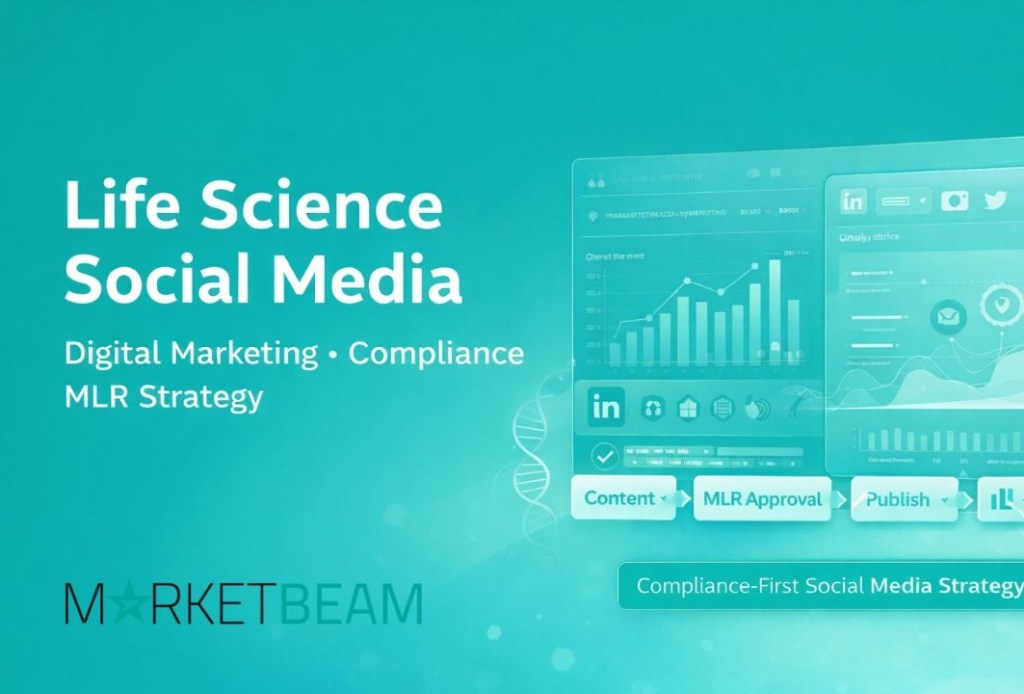
– MLR Approval Process: In many regions, Marketing, Legal, and Regulatory (MLR) teams must approve content to ensure it adheres to healthcare marketing laws before publication.
How Social Media Tools Ensure Compliance:
- Content Approval Workflows:
– Social media management platforms offer structured approval workflows that ensure each piece of content is reviewed and approved by the necessary regulatory bodies before it’s published. This process guarantees that the content aligns with all healthcare guidelines, avoiding costly mistakes.
- Pre-Publication Checks:
– Built-in pre-publication checks within these tools flag potential compliance issues, such as unapproved claims, inaccurate medical information, or improper terminology, before the content reaches the public. This helps minimize the risk of non-compliant content being distributed, reducing the chance of regulatory penalties.
- Auditable Records for Compliance:
– Social media tools maintain auditable logs of content approvals, edits, and publication dates, which are critical for compliance reporting. These records provide clear documentation of who approved what and when, ensuring that companies are ready for any regulatory audit or inquiry.
Example:
A medical device company preparing to launch a new product used a social media management tool to create educational posts for healthcare professionals on LinkedIn. During the approval workflow, the tool flagged a potential issue with the wording, noting that the claim “most effective” could be seen as misleading according to FDA guidelines. Thanks to this pre-publication check, the content was revised before publication, preventing any potential regulatory repercussions.
Amplifying Employee Advocacy for Greater Brand Reach in the Medical Field
In the biotechnology marketing space and healthcare marketing, building trust and credibility is essential. One of the most powerful ways to enhance a brand’s reputation and visibility is through employee advocacy. In industries like life sciences and medical devices, where expertise and authority are key to gaining the trust of healthcare professionals (HCPs) and decision-makers, leveraging employee voices can significantly increase a company’s reach and influence.
Benefits of Employee Advocacy in Healthcare and Biotech Marketing:
- Credibility and Trust:
– Employees (Employees as Brand advocate), particularly in life sciences, MedTech, and biotech, often have a wealth of knowledge and expertise. When they share content, it is seen as more authentic and credible compared to traditional marketing efforts. This can lead to higher engagement and trust among healthcare professionals and industry stakeholders.
- Expanding Reach Beyond Corporate Channels:
– Every employee’s personal network (Employee advocacy)—whether on LinkedIn, Twitter, or other platforms—provides access to a new audience of professionals in the healthcare and medical fields. By tapping into these networks, medical device and life sciences companies can extend their reach far beyond their corporate social media accounts.
How Employee Advocacy Tools Simplify Content Sharing and Expand Reach:
- One-Click Sharing:
– Employee advocacy platforms make it easy for employees to share pre-approved content with their personal networks. With just one click, employees can post company updates, product announcements, or thought leadership pieces on their social profiles, amplifying the company’s message without requiring extensive time or effort on their part.
- Automated Advocacy Solutions:
– Tools can automate content distribution, allowing employees to subscribe to specific content feeds that are automatically shared on their profiles. This ensures that employees regularly promote relevant content without having to manually search for updates or spend time curating posts.
- Increased Brand Awareness Through Employee Networks:
– Every time an employee shares company content, it increases the likelihood that their connections (e.g., healthcare professionals, researchers, or industry partners) will see, engage with, and trust the information. This can boost brand visibility and foster relationships with potential leads or collaborators within the medical field.
Example of Successful Employee Advocacy in the Life Sciences and MedTech Industries:
A leading medical device company implemented an employee advocacy program to promote its new surgical tools to healthcare professionals. Using a social media management tool with integrated employee advocacy capabilities, the company pre-approved educational content about the product. Employees across various departments, including R&D and sales, were encouraged to share this content with their professional networks on LinkedIn. Within weeks, the company saw a 40% increase in social engagement, with key healthcare influencers commenting and sharing the posts. This not only boosted brand awareness but also generated new leads from HCPs who were previously outside the company’s direct marketing reach.
Harnessing Social Listening for Competitive Intelligence in Life Sciences and Medical Technology
In the fast-evolving life sciences and medical technology sectors, staying informed about competitor innovations, market shifts, and customer feedback is critical to remaining competitive. With so many breakthroughs, new products, and regulatory changes constantly emerging, companies must be agile in adapting their marketing strategies. This is where social listening becomes a vital tool for gaining competitive intelligence.
Why Social Listening is Essential for Life Sciences and Medical Technology:
- Tracking Competitor Innovations:
– Life sciences and medical device companies need to keep a close eye on competitors’ new product launches, clinical trials, and technology advancements. Social listening tools allow businesses to monitor competitor mentions, product announcements, and even industry reviews to anticipate market moves and position their own offerings strategically.
- Understanding Market Shifts and Trends:
– By tracking conversations and emerging topics in the biotechnology marketing and digital marketing for healthcare products industries, companies can identify shifts in customer preferences, regulatory updates, or new market demands. Social listening enables companies to stay proactive, rather than reactive, in addressing these trends.
- Gauging Customer Feedback:
– In the medical field, understanding customer pain points and feedback is essential for innovation. Social listening helps companies capture real-time insights into how healthcare professionals (HCPs), patients, and industry stakeholders perceive their products and services, which can guide future product development and marketing strategies.
How Social Media Tools Enable Competitive Analysis in Healthcare:
- Tracking Industry Trends and Keywords:
– Social media management tools equipped with social listening features allow companies to monitor specific keywords and phrases related to their industry, products, and competitors. For example, a company can track terms like “new surgical tools,” “biotech innovation,” or “medtech trends” to stay updated on relevant discussions. By analyzing this data, companies can identify emerging opportunities and threats.
- Monitoring Competitor Mentions and Conversations:
– Tools can track how often competitors are being mentioned, what their customers are saying about their products, and what kinds of content are resonating most with their audiences. This provides insights into competitors’ strengths and weaknesses, helping life sciences companies adjust their positioning or messaging accordingly.
- Uncovering Influential Voices and Thought Leaders:
– Social listening tools also help identify key opinion leaders and influencers in the healthcare space. By monitoring who is driving conversations and shaping opinions, companies can engage these influencers or adjust their messaging to align with industry sentiment.
Case Study: Identifying Growth Opportunities Through Social Media Monitoring Tools
A biotech company specializing in diagnostic devices used a social media management tool with social listening capabilities to track competitor activity and broader industry trends. The tool monitored discussions related to “point-of-care diagnostics” and “lab automation,” revealing that competitors were gaining attention for a new diagnostic technology. By analyzing these conversations, the company identified an unmet need for portable diagnostic devices in rural healthcare settings. This insight allowed them to fast-track the development of a compact, mobile diagnostic tool, which was later launched to fill the gap in the market. By leveraging social listening, the company stayed ahead of competitors and capitalized on a growth opportunity that wasn’t immediately visible through traditional market research.
Engaging Healthcare Professionals (HCPs) through Targeted Content in Medical Device Marketing
In the world of medical device marketing, healthcare professionals (HCPs) play a critical role in the decision-making process. Whether it’s a new surgical tool, diagnostic equipment, or wearable medical device, HCPs such as surgeons, cardiologists, and radiologists are often the primary users and recommenders of medical technologies. To effectively engage these key stakeholders, medical device companies must deliver highly targeted and specialized content that speaks directly to their needs and expertise.
The Role of HCPs in the Medical Devices Buying Process:
– HCPs are not only end-users but also influencers and decision-makers in the adoption of new medical devices. Their approval can make or break the success of a product in hospitals, clinics, or research facilities.
– Healthcare technology marketing must prioritize educational, data-driven content that resonates with the clinical and technical knowledge of HCPs, ensuring that the product’s benefits are clearly communicated in terms of patient outcomes, ease of use, and clinical efficiency.
Using Social Media Tools to Deliver Targeted Content for Healthcare Professionals:
- Audience Segmentation by Specialization:
– Social media management tools allow companies to segment their audiences based on specific medical fields, such as surgery, radiology, cardiology, or oncology. This segmentation enables companies to deliver highly relevant content to the right group of HCPs.
– For example, surgical tool manufacturers can target content about minimally invasive techniques specifically to surgeons, while cardiologists might receive content related to new cardiac monitoring technologies.
- Personalized Content Delivery:
– Using these tools, companies can personalize their outreach to different healthcare professionals, ensuring that the content aligns with their interests and clinical needs. Whether it’s product updates, clinical trial data, or educational webinars, HCPs are more likely to engage with content that is specifically tailored to their area of expertise.
- Educational and Thought Leadership Content:
– HCPs value content that not only promotes products but also provides educational insights. Sharing clinical trial results, case studies, or even white papers that highlight the clinical benefits of new devices can position a medical device company as a thought leader in the healthcare industry.
– Hosting webinars or Q&A sessions led by medical experts or engineers behind the device can also enhance credibility and trust among HCPs.
Analytics to Track Engagement with Healthcare Industry Content Marketing:
- Real-Time Engagement Tracking:
– Social media management tools provide real-time analytics, allowing companies to monitor which content is resonating with specific groups of HCPs. Metrics such as likes, shares, comments, and click-through rates provide valuable insights into what content drives the most engagement.
– For example, if a series of LinkedIn posts targeting surgeons about a new robotic surgical tool receives high engagement, the company can double down on that type of content.
- Optimizing Future Strategies:
– Based on these engagement metrics, companies can fine-tune their content strategy, ensuring they continue to deliver valuable content that appeals to HCPs. The ability to adapt based on data-driven insights is key to sustaining engagement and building long-term relationships with healthcare professionals.
Example: Reaching Surgeons, Cardiologists, or Radiologists with Specialized Content
A medical device company specializing in diagnostic imaging equipment wanted to promote a new advanced MRI machine. Using a social media management tool, the company segmented its target audience into radiologists and cardiologists and tailored the content for each group. Radiologists received posts highlighting the machine’s high-resolution imaging capabilities, while cardiologists were targeted with content focused on cardiac imaging applications.
The tool tracked engagement metrics such as shares and comments, revealing that radiologists showed significantly more interest in the technical specifications and clinical trial data. As a result, the company pivoted its marketing strategy to emphasize these technical details in future campaigns targeted at radiologists, while continuing to share broader content with cardiologists. This approach increased engagement by 35%, with radiologists signing up for product demos and educational webinars.
Data-Driven Product Launches in Life Sciences and Medical Devices
In the life sciences and medical device industries, product launches are often high-stakes events. Whether it’s introducing a new diagnostic tool, medical device, or innovative treatment, getting the launch right can significantly influence the adoption rate and success of the product. With the fast pace of innovation in healthcare, companies need to ensure their launches are both impactful and data-driven. By leveraging real-time analytics through social media management tools, companies can make informed decisions throughout the launch process and maximize their marketing efforts.
The Importance of Real-Time Analytics for Healthcare Product Launches:
– Real-time feedback is crucial for understanding how target audiences—whether they’re healthcare professionals (HCPs), researchers, or patients—are interacting with and responding to new product announcements.
– Real-time data provides valuable insights into content engagement, sentiment analysis, and overall campaign effectiveness during the launch, allowing companies to quickly adapt their strategies if necessary.
– For medical device companies, real-time metrics help identify which aspects of the launch (e.g., product features, clinical benefits, or pricing) are resonating most with the audience, allowing for rapid adjustments to increase impact.
How Social Media Management Tools Provide Data on Engagement and Conversions:
- Comprehensive Launch Monitoring:
– Social media management platforms provide a centralized dashboard where teams can track key performance indicators (KPIs) like post engagement, reach, and conversions in real time. This means companies can observe how well their product launch campaigns are performing across various channels, such as LinkedIn, Twitter, or specialized forums for medical professionals.
- Real-Time Adjustments for Optimal Performance:
– Based on real-time data, companies can modify their content or advertising strategy mid-launch to maximize engagement. For instance, if a particular post emphasizing product benefits to radiologists is generating more engagement than other content, the company can amplify that message to increase visibility and drive conversions.
- Tracking Conversions and Lead Generation:
– Social media management tools often include lead attribution features, allowing companies to track how many qualified leads are generated from the launch campaigns. This can involve tracking website visits, sign-ups for product demos, or downloads of clinical trial data directly linked to social media campaigns.
– Conversion analytics also help determine which posts, ads, or pieces of content lead directly to inquiries from HCPs or purchases from hospital procurement teams, enabling teams to measure the exact ROI of their product launch efforts.
Example: Launching a New Diagnostic Device and Measuring Its Impact Through Social Channels
A medical device company launching an innovative portable diagnostic tool used a social media management tool to support its product rollout. The company targeted radiologists, clinicians, and hospital administrators across LinkedIn and Twitter with tailored posts highlighting the device’s cutting-edge imaging capabilities and ease of use in both clinical and remote settings.
The tool’s real-time analytics tracked which posts received the highest engagement. After one week, the company noticed that posts showcasing real-world case studies with visuals of the device in use generated significantly more engagement than posts focused on technical specifications. Using this insight, the company shifted its content strategy to focus more on case studies and user testimonials.
The tool also tracked conversions, identifying that 20% of social media clicks led to product demo sign-ups. With this data, the company was able to optimize its campaigns to increase reach and drive more sign-ups. As a result, the launch led to 150 qualified leads within the first month, demonstrating the success of the data-driven strategy.
Leveraging Paid Campaigns (PPC) to Generate High-Quality Leads in Healthcare
PPC (Pay-Per-Click) campaigns are highly effective for targeting niche audiences in the medical device and biotech industries. PPC enables companies to reach decision-makers such as healthcare professionals, surgeons, and lab managers through platforms like LinkedIn and Google Ads. With precise targeting and the ability to control budgets, PPC ensures companies only pay for actionable engagements, such as clicks or conversions. Campaigns can deliver immediate results, making them ideal for time-sensitive product launches or promotions. Paid ads also allow for seamless tracking of real-time engagement and lead generation, enabling adjustments in strategy to maximize conversions and ROI. PPC has proven successful in helping life sciences companies generate high-quality leads quickly and efficiently.
CRM Integration for Building Relationships in the Healthcare Industry
In the medical device sales sector, managing relationships with healthcare providers and industry partners is critical for long-term success. Customer Relationship Management (CRM) systems play a pivotal role in organizing, tracking, and nurturing these relationships. When integrated with social media tools, CRM systems allow companies to track digital interactions with healthcare professionals (HCPs), monitor engagement, and ensure consistent follow-up. This integration helps sales and marketing teams gain valuable insights into the behavior and preferences of HCPs, enabling personalized communication and more effective lead nurturing.
Example:
A medical device company integrated its social media management tool with a CRM system to track interactions with HCPs who engaged with its social media content. By analyzing this data, the company identified potential leads and used the CRM to follow up with personalized emails, educational content, and demo offers. This approach allowed the company to successfully nurture leads through the sales funnel, converting many into long-term customers.
Crisis Management for Medical Device Recalls and Industry Challenges
– Medical device companies must be prepared for product recalls or public relations crises, which can occur due to device malfunctions or adverse events. Reputation management tools in the healthcare industry help companies monitor public sentiment and respond quickly. Real-time monitoring of customer feedback and product performance discussions allows companies to address concerns before they escalate.
– Example: When a medical device company faced a product recall due to a technical defect, they used real-time monitoring to track online conversations and respond to inquiries from healthcare professionals, offering detailed explanations and next steps. This quick response helped them maintain trust and manage the situation effectively.
Video Marketing for Product Demos and Educational Outreach in Life Sciences
– Video content is increasingly important in digital marketing for healthcare devices, providing a clear, visual way to explain complex technologies. Social media management platforms simplify the distribution of product demo videos, explainer content, and educational webinars across multiple platforms like LinkedIn and YouTube.
– Example: A biotech company used video marketing to showcase how their new diagnostic device works, sharing explainer videos on LinkedIn and YouTube. These videos engaged healthcare professionals by visually demonstrating the device’s real-world applications, leading to increased interest and demo requests.
Mobile-Friendly Campaigns for On-the-Go Healthcare Professionals
– With many healthcare professionals accessing content on mobile devices, it’s crucial to ensure that marketing materials, including product demos and infographics, are optimized for mobile consumption. Social media tools help format content to be easily viewable on smartphones and tablets, catering to HCPs’ busy schedules.
– Example: A medical device company optimized its educational content and product demos for mobile platforms, ensuring that healthcare professionals could access crucial information anytime, increasing engagement and inquiries from clinical staff on the go.
Social media management tools, like MarketBeam, play a transformative role in enhancing digital marketing for medical device companies and life sciences organizations, offering solutions for compliance, engagement, crisis management, and mobile optimization.
– MarketBeam provides seamless content approval workflows, ensuring compliance with industry regulations, while its employee advocacy feature amplifies reach through trusted networks. With real-time analytics and lead attribution, MarketBeam enables companies to execute more efficient, data-driven, and compliant strategies. Companies in the medtech and biotech sectors should leverage platforms like MarketBeam to strengthen their digital presence and streamline their marketing efforts in the healthcare space.
Ready to elevate your digital marketing strategy? Contact MarketBeam today and discover how our platform can enhance your reach and compliance in the healthcare industry!