FDA Regulations on Facebook : for Biotech and Pharmaceutical Industry
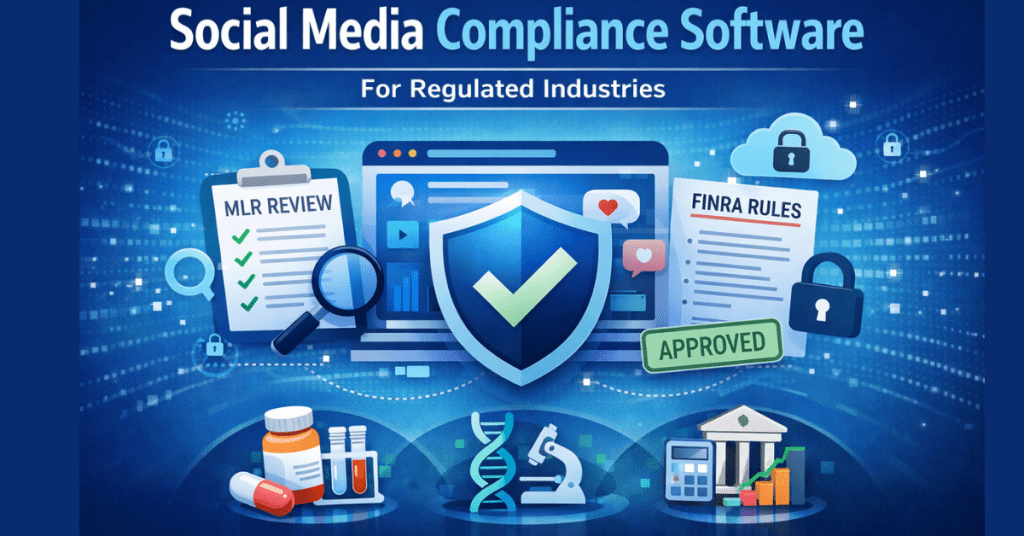
Navigating the complex regulatory landscape of the biotech and pharmaceutical industries requires a thorough understanding of the Food and Drug Administration (FDA) and its stringent guidelines. The FDA plays a crucial role in ensuring that products and promotional activities within these sectors adhere to safety and efficacy standards, thereby protecting public health. This regulatory oversight extends to the burgeoning realm of social media, where biotech and pharma companies must balance engaging with their audience and maintaining strict compliance.

The importance of adhering to FDA guidelines on social media cannot be overstated. Platforms like Facebook offer unprecedented opportunities for companies to connect with consumers, healthcare professionals, and stakeholders. However, this engagement comes with the responsibility to follow the FDA’s advertising and promotion guidance, which includes specific regulations on adverse event monitoring, the use of the FDA logo, and the handling of user-generated content. Non-compliance can lead to significant repercussions, including warning letters, fines, and damage to a company’s reputation.
MarketBeam steps up to tackle these challenges head-on. MarketBeam is a powerful tool designed to help companies in the life sciences industry navigate the web of FDA regulations while creating engaging and compliant content. By leveraging MarketBeam, companies can ensure that their social media activities not only meet regulatory requirements but also effectively reach and resonate with their target audiences.
In this blog post, we will explore the FDA’s specific regulations and guidelines surrounding social media for the life sciences industry. We will delve into key topics such as FDA advertising and promotion guidance, adverse event monitoring on social media, and the proper use of FDA-approved logos and stamps. Additionally, we will highlight how MarketBeam can bridge the gap between compliance and compelling social media content, helping companies achieve their marketing goals while staying within the bounds of FDA regulations.
Understanding FDA’s Advertising and Promotion Guidance
Overview of the FDA’s Guidelines on Advertising and Promotional Materials
The FDA’s guidelines on advertising and promotional materials are designed to ensure that all marketing communications about drugs and medical products are truthful, balanced, and non-misleading. These guidelines cover various aspects, including product claims, risk information, and the overall presentation of promotional content. Key documents that outline these regulations include the FDA’s “Guidance for Industry: Presenting Risk Information in Prescription Drug and Medical Device Promotion” and “Internet/Social Media Platforms with Character Space Limitations—Presenting Risk and Benefit Information for Prescription Drugs and Medical Devices.”
These guidelines emphasize the importance of providing a fair balance between the benefits and risks of a product. This means that any promotional material must not only highlight the benefits but also clearly communicate the potential risks associated with the product. Additionally, claims made about a product must be substantiated with credible scientific evidence, and the information should be presented in a manner that is easily understandable by the target audience.
Importance of Adhering to FDA Regulations on Social Media Platforms, Including Facebook
Social media platforms, including Facebook, present unique challenges and opportunities for biotech and pharma companies. These platforms offer a space for direct interaction with consumers and healthcare professionals, allowing for real-time engagement and information sharing. However, the informal and fast-paced nature of social media can sometimes lead to the dissemination of incomplete or misleading information if not carefully managed.
Adhering to FDA regulations on social media is crucial for several reasons:
- Compliance and Avoidance of Legal Issues: Non-compliance with FDA guidelines can result in significant legal repercussions, including warning letters, fines, and other penalties. It is essential for companies to ensure that all social media content meets FDA standards to avoid these issues.
- Maintaining Public Trust: Ensuring that all promotional content is truthful and balanced helps maintain public trust. Misleading information can not only harm consumers but also damage the reputation of the company.
- Effective Risk Communication: Properly communicating the risks associated with a product is vital for consumer safety. Social media platforms require careful crafting of messages to ensure that risk information is not overshadowed by benefit claims.
- Engagement and Education: Compliant social media practices enable companies to effectively engage with their audience while educating them about their products in a responsible manner. This fosters a more informed and loyal customer base.
By understanding and adhering to FDA advertising and promotion guidance, biotech and pharma companies can leverage social media platforms like Facebook to their advantage, ensuring that their communications are both effective and compliant.
Specific FDA Regulations on Social Media

Adverse Event Monitoring on Social Media: Requirements and Best Practices
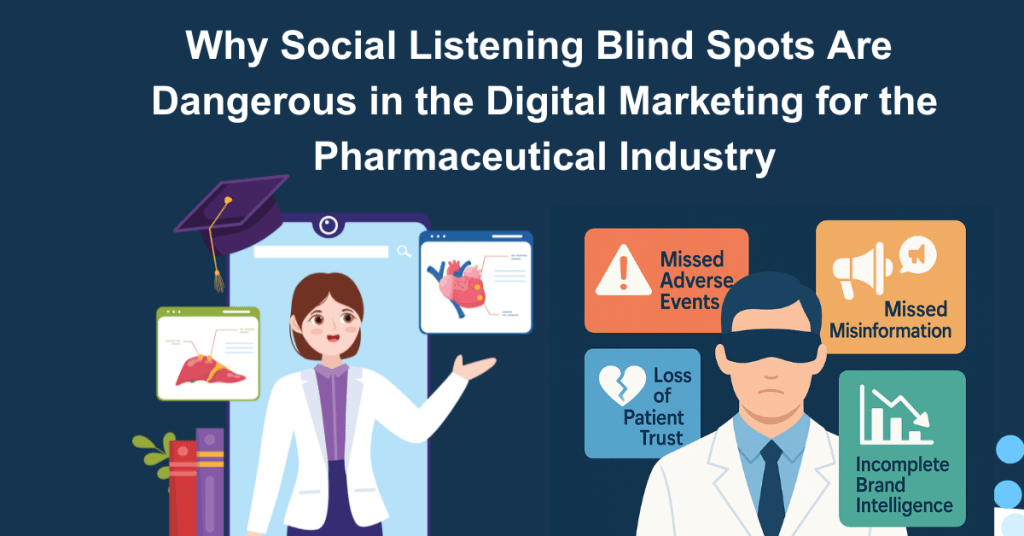
Monitoring for adverse events on social media is a critical aspect of FDA compliance for pharmaceutical and biotech companies. An adverse event is any undesirable experience associated with the use of a medical product. The FDA requires that companies track and report adverse events to ensure ongoing patient safety.
Requirements:
- Active Monitoring: Companies must actively monitor their social media channels for mentions of adverse events related to their products. This includes platforms like Facebook, Twitter, Instagram, and any other social media outlets they utilize.
- Prompt Reporting: Once an adverse event is identified, it must be promptly reported to the FDA, typically within 15 calendar days for serious and unexpected events.
- Documentation: All adverse events must be documented, including the original post, any follow-up interactions, and the outcome of the event report.
Best Practices:
– Use of Monitoring Tools: Implement social media monitoring tools that can automatically flag potential adverse event mentions based on specific keywords and phrases.
– Training: Ensure that all employees involved in social media management are trained to recognize and handle adverse event reports.
FDA’s Stance on the Use of the FDA Logo and Approved Stamps on Social Media
The use of the FDA logo and approved stamps on social media is tightly regulated. The FDA’s logo is a symbol of the agency’s authority and should not be used to imply endorsement or approval of a product.

Regulations:
- Prohibition of Misuse: Companies are prohibited from using the FDA logo in a way that suggests the FDA has endorsed or approved their product. Unauthorized use of the logo can lead to enforcement actions.
- Approval Marks: If a product is FDA-approved, companies may state this fact but must do so in a manner that does not misuse the FDA logo or imply broader endorsement.
Best Practices:
– Clear Language: When referencing FDA approval, use clear and precise language to avoid any implication of endorsement. For example, “FDA approved for [specific use]” rather than a broad statement like “FDA approved.”
– Avoid Graphics: Do not use the FDA logo or any graphical representation that could be confused with official FDA marks.
Third-Party Content
The FDA also provides guidance on how companies should handle third-party content.
– Responsibility: Companies are responsible for the content they endorse or share, even if it originates from third parties. This includes retweets, shares, or comments on third-party posts.
– Compliance: Ensure that any third-party content shared on social media complies with FDA regulations regarding promotional materials and adverse event reporting.
Unbranded Promotion Regulations
– Education and Awareness Campaigns: Companies often use unbranded campaigns to raise awareness about diseases or conditions without promoting a specific product. These campaigns still need to comply with FDA guidelines.
– Balanced Information: Even in unbranded promotions, companies must provide balanced information, especially if discussing treatment options or medical conditions.
Best Practices:
– Disclosure: Clearly disclose any affiliations or sponsorships related to third-party content.
– Consistent Monitoring: Regularly review and monitor all social media content, including third-party interactions, to ensure compliance with FDA regulations.
By understanding and adhering to these specific FDA regulations, biotech and pharmaceutical companies can navigate the complexities of social media marketing while ensuring they remain compliant and maintain public trust.
Addressing Common Questions and Misinformation
FDA’s Role in Correcting Misinformation on Social Media
The FDA plays a crucial role in ensuring that information disseminated about medical products is accurate and truthful. With the proliferation of social media, misinformation can spread rapidly, posing risks to public health.
Role and Strategies:
- Monitoring and Engagement: The FDA actively monitors social media platforms for misinformation related to drugs and medical devices. When false or misleading information is identified, the FDA may engage directly to correct the inaccuracies.
- Guidance and Resources: The FDA provides guidance to companies on how to correct misinformation. This includes the “Guidance for Industry: Responding to Unsolicited Requests for Off-Label Information About Prescription Drugs and Medical Devices” and “Internet/Social Media Platforms: Correcting Independent Third-Party Misinformation About Prescription Drugs and Medical Devices.“
- Educational Campaigns: The FDA runs educational campaigns to inform the public about common myths and facts regarding FDA-approved products.
Best Practices for Companies:
– Timely Response: Quickly address misinformation on social media by providing accurate and evidence-based information.
– Use of FDA Guidance: Follow FDA guidance on correcting misinformation to ensure compliance and effectiveness.
– Clear Communication: Use clear, concise, and non-technical language to make corrections understandable to the general public.
How to Handle User-Generated Content That Might Lead to Adverse Event Reporting
User-generated content (UGC) on social media can be a valuable source of engagement, but it also presents challenges, particularly when it comes to adverse event reporting.
Steps for Handling UGC:
- Monitoring: Actively monitor social media platforms for UGC that may mention adverse events. Use automated tools to help identify potential reports.
- Evaluation: Assess whether the content qualifies as an adverse event according to FDA criteria (e.g., an identifiable patient, a specific drug, and a negative outcome).
- Documentation and audit: Properly document the adverse event report, including the original post, any follow-up communications, and the final report submitted to the FDA.
- Follow-Up: Engage with the user who posted the adverse event to gather more information if necessary, ensuring to do so in a way that respects their privacy and confidentiality.
Addressing Common Queries
“Can I use the FDA logo?”
The use of the FDA logo is highly regulated to prevent misuse and to avoid implying endorsement by the FDA.
– General Rule: The FDA logo should not be used on promotional materials, social media posts, or product packaging without explicit permission from the FDA.
– Exceptions: The FDA logo may only be used in contexts where it is legally mandated or explicitly allowed, such as in certain educational or informational materials where the FDA has provided authorization.
MarketBeam: Bridging Compliance and Engaging Content
Introduction to MarketBeam’s Features That Ensure FDA Compliance
MarketBeam is a cutting-edge platform designed to help life sciences companies navigate the stringent FDA regulations while creating engaging and compliant content on social media. It offers a comprehensive suite of features tailored to meet the unique needs of the biotech and pharmaceutical industries.
Key Features:
- Automated Compliance Checks: MarketBeam’s AI-powered tools automatically review social media content to ensure it complies with FDA regulations, including advertising and promotion guidance.
- Adverse Event Monitoring: The platform actively monitors social media channels for mentions of adverse events and facilitates prompt reporting.
- Content Approval Workflows: MarketBeam provides structured workflows for content creation and approval, ensuring that all posts are reviewed for compliance before publication.
- Audit Trails: Comprehensive audit trails document all social media activities, making it easier to demonstrate compliance during FDA audits.
- Educational Resources: MarketBeam includes resources and training materials to help teams stay updated on the latest FDA guidelines and best practices for social media.
How MarketBeam Helps in Monitoring Adverse Events and Maintaining Regulatory Standards

Adverse Event Monitoring:
MarketBeam’s adverse event monitoring feature uses sophisticated algorithms to scan social media posts for potential adverse events. When a possible adverse event is detected, it triggers an alert and guides the user through the reporting process.
Steps for Monitoring and Reporting:
- Detection: MarketBeam identifies keywords and phrases associated with adverse events.
- Alert: An alert is generated, notifying the compliance team of a potential adverse event.
- Review: The event is reviewed to confirm whether it meets the criteria for an adverse event report.
- Documentation: The event is documented, and all necessary information is collected.
- Reporting: The event is reported to the FDA in compliance with regulatory timelines and requirements.
Maintaining Regulatory Standards:
MarketBeam helps companies maintain regulatory standards by integrating compliance into the content creation process. The platform ensures that all social media posts undergo rigorous checks for compliance with FDA guidelines before they go live.
Content Creation Workflow:
- Drafting: Content creators draft social media posts within MarketBeam.
- Compliance Check: The platform automatically checks the draft against FDA guidelines, highlighting any areas of concern.
- Approval: Posts are routed through an approval workflow where compliance officers review and approve them.
- Publication: Approved posts are published, ensuring that only compliant content reaches the audience.
Case Studies or Examples of Successful Compliance via MarketBeam
Case Study 1: PharmaCo
PharmaCo, a mid-sized pharmaceutical company, struggled with ensuring that their social media content was FDA-compliant. After implementing MarketBeam, they saw significant improvements in compliance and engagement.
Outcome:
– Compliance: MarketBeam’s automated compliance checks reduced instances of non-compliant posts by 90%.
– Efficiency: The structured workflows cut down the content approval time by 50%, allowing for more timely and relevant posts.
– Engagement: PharmaCo was able to increase their social media engagement by 40% without compromising on compliance.
Case Study 2: BioTech Innovations
BioTech Innovations needed a robust solution to monitor and report adverse events mentioned on social media. MarketBeam provided the tools and workflows necessary to handle this efficiently.
Outcome:
– Adverse Event Reporting: The automated monitoring system identified and reported adverse events within the required timeframe, ensuring regulatory compliance.
– Documentation: Detailed audit trails provided a clear record of all social media activities and adverse event reports, simplifying FDA audits.
– Resource Allocation: The streamlined processes allowed BioTech Innovations to reallocate resources to other critical areas, enhancing overall productivity.
By leveraging MarketBeam, biotech and pharmaceutical companies can achieve a balance between compliance and compelling social media content. The platform’s comprehensive features ensure that all regulatory requirements are met while enabling companies to effectively engage with their audience.
Challenges and Considerations
The Evolving Nature of FDA Guidelines and the Need for Ongoing Monitoring
FDA guidelines for social media and digital marketing are continuously evolving to keep pace with the rapidly changing landscape of online communication. This dynamic nature poses several challenges for biotech and pharma companies:
Constant Updates: The FDA periodically releases new guidance documents and updates existing ones. Companies must stay informed about these changes to ensure ongoing compliance.
Ongoing Monitoring: Continuous monitoring of FDA announcements and industry trends is essential. This includes subscribing to FDA newsletters, attending relevant webinars, and participating in industry forums.
Training and Education: Regular training sessions for marketing and compliance teams are necessary to keep everyone updated on the latest guidelines. This ensures that all team members understand the implications of new regulations and how to apply them in their daily tasks.
Common Pitfalls in Social Media Marketing for Pharma and Biotech Firms
Despite the potential for engagement and brand building, social media marketing in the pharma and biotech sectors is fraught with pitfalls:
Misleading Information: Failing to provide a balanced view of a product’s benefits and risks can lead to the dissemination of misleading information, which is a significant compliance breach.
Incomplete Adverse Event Reporting: Not fully documenting or promptly reporting adverse events mentioned on social media can result in regulatory action.
Improper Use of FDA Logos and Claims: Misusing FDA logos or making unsubstantiated claims about FDA approval can lead to severe penalties and damage to the company’s reputation.
Lack of Clear SOPs: Without clear standard operating procedures (SOPs) for social media activities, companies may struggle to ensure consistent compliance across all posts and interactions.
Strategies to Maintain Engagement While Staying Compliant
Maintaining high levels of engagement on social media while adhering to FDA regulations requires a strategic approach:
Educational Content: Focus on creating educational content that provides valuable information to your audience. This can include infographics, explainer videos, and patient stories that highlight both the benefits and risks of your products without making unsubstantiated claims.
Interactive Q&A Sessions: Host live Q&A sessions where healthcare professionals answer questions from the audience. Ensure these sessions are monitored by compliance officers to address any off-label or inappropriate questions correctly.
Clear and Transparent Communication: Be transparent about your products and their FDA-approved uses. Use plain language and avoid medical jargon to make your posts accessible to a broader audience.
Regular Compliance Audits: Conduct regular audits of your social media content to ensure ongoing compliance. Use tools like MarketBeam to facilitate these audits and provide a clear record of all social media activities.
Responsive Adverse Event Management: Establish a robust system for identifying, documenting, and reporting adverse events mentioned on social media. Ensure your team is trained to recognize potential adverse events and handle them promptly.
Collaborative Content Creation: Involve your compliance team in the content creation process. This collaborative approach ensures that all content is reviewed for compliance before it is published.
Utilizing MarketBeam: Leverage tools like MarketBeam to automate compliance checks and streamline content approval workflows. This not only ensures compliance but also allows your marketing team to focus on creating engaging content.
By understanding the evolving nature of FDA guidelines, avoiding common pitfalls, and implementing strategic engagement practices, pharma and biotech firms can effectively use social media to reach their audiences while maintaining strict compliance.
-
Conclusion
Recap of the Importance of FDA Compliance on Social Media
Navigating the social media landscape within the biotech and pharmaceutical industries requires a deep understanding of FDA regulations. Compliance is not just a legal obligation but a critical component in maintaining public trust, ensuring patient safety, and protecting the integrity of a company’s brand. Adhering to FDA guidelines on social media helps prevent the spread of misinformation, ensures accurate reporting of adverse events, and avoids legal repercussions that can arise from non-compliance.
Final Thoughts on Leveraging Tools Like MarketBeam for Successful and Compliant Social Media Marketing
In the ever-evolving digital environment, tools like MarketBeam provide essential support to biotech and pharmaceutical companies. MarketBeam’s comprehensive features—such as automated compliance checks, adverse event monitoring, and structured content approval workflows—enable companies to confidently engage with their audiences while adhering to regulatory standards. By integrating MarketBeam into their social media strategies, companies can streamline their compliance processes, reduce the risk of regulatory breaches, and focus on creating valuable and engaging content that resonates with their audience.
Encouraging Readers to Stay Informed and Compliant with FDA Regulations
In conclusion, MarketBeam is your ultimate partner in conquering the challenges of social media compliance in the biotech and pharmaceutical industries. With MarketBeam, you can transform regulatory hurdles into opportunities for engagement and growth. Stay ahead of the curve, safeguard your brand’s reputation, and elevate your social media presence to new heights. Join the MarketBeam community today and revolutionize your approach to FDA compliance on social media. Your success starts here!.