How Social Media Publishing Builds Brand Awareness
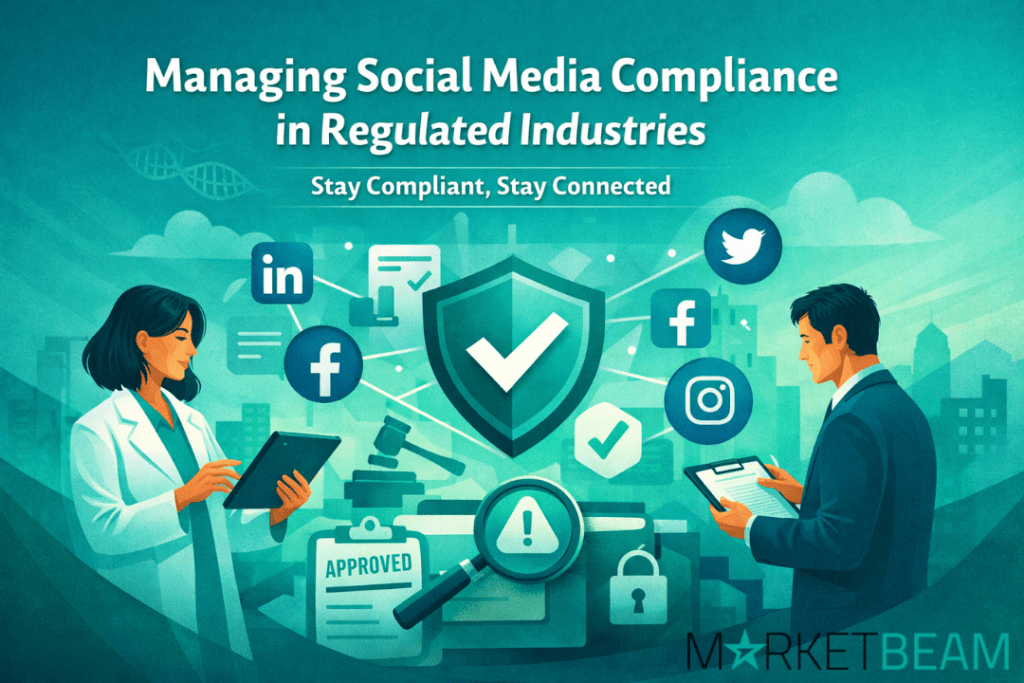
Social media plays a critical role in building brand awareness, but for organizations operating in regulated industries, visibility alone is not enough. Pharmaceutical, life sciences, healthcare, and financial services brands must balance reach with regulatory compliance, content governance, and brand risk management.
Unlike consumer brands, regulated companies cannot publish freely or react in real time without approvals, audit trails, and defined workflows. Every post, comment, and share must align with internal policies, industry regulations, and brand standards. In this environment, social media publishing becomes a strategic function—one that builds trust, consistency, and long-term brand credibility when executed correctly.
This article explores how compliant, governed social media publishing helps regulated organizations build sustainable brand awareness without compromising control, accuracy, or regulatory obligations.
In today’s digital world, social media brand awareness is essential for any business aiming to build trust and visibility.
Today, brands rely on social media publishing to increase visibility and build trust. Importance of Brand Awareness: In today’s digital age, brand awareness is critical for business success. Effective branding, encompassing brand identity and brand recognition, ensures that consumers can easily distinguish your brand from competitors. Brand equity, which represents the value of a brand, is significantly influenced by how well your brand is recognized and perceived in the market. Social media marketing has become an indispensable tool in this process, playing a pivotal role in building and maintaining brand awareness.
Role of Social Media: Social media publishing helps in building brand awareness by leveraging various platforms to reach and engage with a broad audience. Through consistent social media strategy, businesses can enhance their brand identity and increase brand recognition. Social media campaigns, including display advertising and event branding, provide opportunities to showcase brand benefits and reinforce brand loyalty. Examples of successful social media campaigns demonstrate the power of these platforms in building brand equity and defining brand awareness.
Incorporating social media marketing into your overall strategy not only helps in building brand awareness but also in measuring brand awareness through analytics and engagement metrics. Understanding what is brand awareness and how to increase brand awareness, especially for small businesses, is crucial. The importance of branding in marketing cannot be overstated, as it impacts how consumers perceive and recall your brand, ultimately driving sales and growth.
By utilizing social media publishing effectively, businesses can build a strong brand presence, increase sales, and expand their reach. Whether through engaging content, influencer partnerships, or targeted advertising, the possibilities for improving brand awareness are vast. This introduction sets the stage for exploring the detailed strategies and examples of how social media publishing can elevate your brand awareness to new heights.
The Power of Social Media in Modern Marketing

Statistics and Trends: Social media publishing has revolutionized how brands interact with their audiences, making it a cornerstone of modern marketing. According to recent studies, over 3.6 billion people are using social media worldwide, and this number is expected to grow to 4.41 billion by 2026. This widespread adoption of social media platforms has provided brands with unprecedented opportunities to increase visibility and engagement. Data shows that 71% of consumers who have a positive experience with a brand on social media are likely to recommend the brand to others. Additionally, brands that are active on social media experience a 24% increase in brand awareness and a 27% increase in brand loyalty.
Successful Brands: Numerous brands have successfully utilized social media publishing to enhance their brand awareness. For example, Nike’s social media strategy is renowned for its consistent branding and engaging content. Through a combination of storytelling, influencer partnerships, and user-generated content, Nike has built a strong brand presence across various social media platforms. Another example is Coca-Cola’s “Share a Coke” campaign, which encouraged customers to share photos of personalized Coke bottles on social media. This campaign not only increased brand visibility but also engaged customers in a personal and interactive way, significantly boosting brand recognition and loyalty.
These examples illustrate the power of social media publishing in building and maintaining brand awareness. By leveraging social media platforms effectively, brands can reach a wider audience, foster stronger connections with their customers, and ultimately drive business growth.
Why Generic Social Media Publishing Fails in Regulated Industries
Most social media publishing best practices are designed for consumer brands that prioritize speed, engagement, and experimentation. While this approach may work for retail or lifestyle companies, it breaks down quickly in regulated industries where accuracy, accountability, and approval are mandatory.
Generic social media publishing tools and workflows typically lack built-in compliance controls. Posts are often created and scheduled without structured approval processes, increasing the risk of non-compliant claims, unverified messaging, or inconsistent brand communication. For regulated organizations, even a single unapproved post can trigger regulatory scrutiny, reputational damage, or legal consequences.
Another major limitation is the absence of clear content governance. Without defined roles, permissions, and audit trails, teams struggle to maintain oversight across regions, departments, and distributed teams. Marketing, compliance, and legal functions operate in silos, leading to delays, duplicated effort, and missed publishing opportunities.
Employee activity further compounds the challenge. Generic publishing approaches rarely address employee advocacy, resharing, or commenting behavior. In regulated environments, uncontrolled employee engagement can unintentionally amplify non-compliant messaging, creating exposure that standard publishing tools are not equipped to monitor or manage.
For regulated industries, social media publishing must go beyond scheduling and analytics. It requires a compliance-first framework that ensures every piece of content is reviewed, approved, monitored, and traceable—transforming social media from a risk channel into a trusted brand-building asset.
How Social Media Publishing Builds Brand Awareness
Social Media Brand Awareness Examples
Here are additional examples and case studies of effective social media brand campaigns from international brands used in the US and UK:
- GoPro (US): GoPro has built a strong brand presence on social media by encouraging users to share their adventure videos. The brand’s social media channels are filled with high-quality user-generated content, showcasing the product’s capabilities and inspiring potential customers. GoPro’s “Photo of the Day” and “Video of the Day” campaigns on Instagram and YouTube have significantly boosted their brand visibility and engagement.
- Airbnb (US): Airbnb’s use of social media publishing to showcase unique travel experiences has significantly boosted its brand awareness. Through Instagram and Facebook, Airbnb shares high-quality images and videos of destinations, along with stories from hosts and guests. This approach humanizes the brand and fosters a sense of community among its users.
- ASOS (UK): ASOS, a leading online fashion retailer in the UK, has effectively used social media to increase brand awareness and drive sales. ASOS engages its audience with fashion tips, user-generated content, and influencer collaborations on platforms like Instagram and Twitter. Their use of branded hashtags like AsSeenOnMe encourages customers to share their ASOS outfits, further amplifying the brand’s reach and engagement.
- Lush (UK): Lush Cosmetics leverages social media to showcase its commitment to ethical products and sustainability. Through vibrant visuals and behind-the-scenes content on Instagram and Facebook, Lush engages with its audience and promotes its values. Campaigns like LushLabs and LushCommunity encourage customers to share their experiences and product reviews, enhancing brand credibility and awareness.
- Taco Bell (US): Taco Bell is known for its witty and engaging social media presence. The brand uses platforms like Twitter and Instagram to connect with its audience through humor, timely content, and interactive campaigns. Taco Bell’s “Taco Emoji Engine” campaign on Twitter, where users tweeted a taco emoji to receive a custom response, significantly boosted brand interaction and visibility.
These examples demonstrate how international brands in the US and UK have effectively utilized social media publishing to build and maintain brand awareness. By creating engaging content, leveraging user-generated content, and partnering with influencers, these brands have significantly enhanced their visibility and connected with their audience on a deeper level.
Key Strategies for Building Brand Awareness on Social Media

-
Consistent Branding
– Cohesive Brand Image: Maintaining a consistent brand image across all social media platforms is crucial. This means using the same logo, color schemes, and tone of voice in all your posts. Consistency helps in establishing a recognizable and trustworthy brand.
– Tips for Consistency:
– Develop brand guidelines that outline how your brand should be presented across different platforms.
– Use scheduling tools to plan and maintain a regular posting schedule.
– Ensure all team members involved in social media publishing are aware of and adhere to the brand guidelines.
-
Engaging Content
– Content Types: Different types of content resonate with different audiences. Some effective content types include:
– High-quality images and videos
– Informative blog posts and articles
– Interactive content like polls, quizzes, and live videos
– User-generated content and testimonials
– Storytelling: Storytelling is a powerful tool in building a brand narrative. By sharing stories that align with your brand’s values and mission, you can create an emotional connection with your audience. For example, sharing customer success stories or behind-the-scenes looks at your company can make your brand more relatable and memorable.
-
Leveraging Influencers
– Influencer Partnerships: Partnering with influencers who align with your brand values can significantly amplify your reach. Influencers already have a loyal following, and their endorsement can lend credibility to your brand.
– Choosing Influencers:
– Look for influencers whose audience matches your target demographic.
– Evaluate the influencer’s engagement rates and content quality.
– Ensure the influencer’s values and style align with your brand’s image.
-
Active Community Engagement
– Interacting with Audience: Regularly engaging with your audience is essential. Respond to comments, answer questions, and acknowledge user-generated content to build a sense of community around your brand.
– Building a Community:
– Create and participate in relevant groups and forums.
– Host live Q&A sessions and webinars.
– Encourage discussions and interactions among your followers through engaging posts and questions.
-
Utilizing Paid Advertising
– Advertising Options: Social media platforms offer various advertising options, including:
– Sponsored posts and stories
– Carousel ads
– Video ads
– Influencer partnerships and sponsored content
– Targeted Ads: Using targeted ads allows you to reach a specific audience based on demographics, interests, and behaviors. This ensures that your content reaches those most likely to be interested in your brand, thereby increasing the effectiveness of your social media publishing efforts.
-
User-Generated Content
– Encouraging UGC: User-generated content (UGC) is content created by your customers. Encourage your customers to share their experiences with your products or services by:
– Creating branded hashtags
– Running contests and giveaways
– Featuring UGC on your social media channels and website
– Showcasing UGC: Displaying user-generated content not only provides social proof but also engages your audience by making them feel valued and heard. Highlighting UGC can build credibility and enhance brand trust.
By implementing these strategies, you can effectively use social media publishing to build and strengthen your brand awareness. Each strategy focuses on leveraging the unique capabilities of social media to engage with your audience, foster community, and amplify your brand’s reach.
How to Increase Brand Awareness
Increasing Brand Awareness through Social Media Publishing
Social media publishing is a powerful tool for increasing brand awareness. Here are some strategies specifically tailored for leveraging social media to enhance your brand’s visibility:
- Create High-Quality Content: Consistently publishing high-quality content that resonates with your target audience is key. This includes a mix of informative, entertaining, and engaging posts that align with your brand’s voice and values.
- Use Visual Content: Visual content such as images, videos, infographics, and GIFs tend to attract more engagement. Ensure your visuals are high-quality and consistent with your brand’s aesthetic.
- Leverage Hashtags: Use relevant and trending hashtags to increase the discoverability of your posts. Branded hashtags can also help build a community around your brand and encourage user-generated content.
- Engage with Your Audience: Respond to comments, messages, and mentions to build a relationship with your audience. Engagement helps increase your brand’s visibility and fosters loyalty.
- Run Contests and Giveaways: Contests and giveaways can boost engagement and attract new followers. Encourage participants to share your content or use your branded hashtags to increase reach.
- Analyze and Adjust: Use analytics tools to track the performance of your social media efforts. Analyze what works and what doesn’t, and adjust your strategy accordingly to maximize brand awareness.
How to Increase Brand Awareness for a Company
For companies looking to boost their brand visibility using social media publishing, here are some tips and methods:

- Develop a Comprehensive Social Media Strategy: Start with a well-defined social media strategy that outlines your goals, target audience, content plan, and key performance indicators (KPIs).
- Collaborate with Influencers: Partnering with influencers who align with your brand can help you reach a wider audience. Influencers can create authentic content that promotes your brand to their followers.
- Invest in Paid Advertising: Use paid advertising options like Facebook Ads, Instagram Ads, and LinkedIn Ads to target specific demographics and increase your reach. Use targeted ads to ensure your content reaches the right audience.
- Host Live Events and Webinars: Live events and webinars are a great way to engage with your audience in real-time. Promote these events on social media to increase participation and brand awareness.
- Utilize Employee Advocacy: Encourage your employees to share company content on their personal social media profiles. Employee advocacy can help amplify your brand message and reach a broader audience.
- Participate in Relevant Conversations: Join industry-specific groups and forums on social media platforms. Participate in conversations and share your expertise to establish your brand as a thought leader.
Strategic Brand Awareness vs Operational Social Media Publishing
| Aspect | Generic Publishing | Compliance-First Publishing |
|---|---|---|
| Goal | Engagement & reach | Trust & credibility |
| Approvals | Optional | Mandatory |
| Risk | Reactive | Preventive |
| Governance | Limited | Built-in |
How to Increase Brand Awareness Using Social Media
Here are some practical tips and actionable strategies to boost brand visibility through consistent social media publishing:
- Post Regularly: Consistency is key in social media publishing. Create a content calendar to schedule regular posts and maintain an active presence on social media.
- Optimize Your Profiles: Ensure your social media profiles are complete and optimized with your brand’s logo, bio, contact information, and website link. A professional and cohesive profile can enhance brand credibility.
- Share User-Generated Content: Encourage your customers to share their experiences with your products or services. Feature user-generated content on your social media profiles to build trust and credibility.
- Use Stories and Reels: Utilize features like Instagram Stories, Facebook Stories, and Reels to share behind-the-scenes content, promotions, and quick updates. These features can increase engagement and keep your audience informed.
- Engage in Social Listening: Monitor social media conversations about your brand and industry. Engage with users discussing relevant topics and address any questions or concerns they might have.
- Create Shareable Content: Focus on creating content that is not only engaging but also shareable. Infographics, memes, and valuable resources can encourage your audience to share your content, increasing your reach.
- Track and Measure Performance: Use social media analytics tools to track the performance of your posts. Measure metrics such as reach, engagement, and follower growth to understand what works best for your brand.
By implementing these strategies, companies can effectively use social media publishing to increase brand awareness, engage with their audience, and drive business growth. Consistency, quality content, and active engagement are key to maximizing the impact of social media on brand visibility.
What is Brand Awareness?
Definition and Importance
Brand Awareness is the extent to which consumers are familiar with the distinctive qualities or image of a particular brand of goods or services. It represents how well a brand is recognized by potential customers and is a crucial indicator of a brand’s presence in the market. High brand awareness means that consumers can easily recall and recognize a brand under different conditions.
Significance for Businesses:
- Consumer Trust: High brand awareness fosters consumer trust. When customers are familiar with a brand, they are more likely to choose it over unfamiliar options, believing it to be more reliable and of higher quality.
- Market Differentiation: In a crowded marketplace, brand awareness helps differentiate a business from its competitors. A recognizable brand stands out and can attract more attention.
- Increased Sales: Greater brand awareness typically leads to higher sales. Consumers tend to purchase brands they recognize and trust.
- Loyalty and Advocacy: Brand awareness is the foundation for building brand loyalty and advocacy. Consumers who are aware of and have positive experiences with a brand are more likely to become repeat customers and advocates.
- Influence on Purchasing Decisions: Familiarity with a brand significantly influences purchasing decisions. Consumers often prefer familiar brands when making buying choices, even if they have no prior experience with the product.
Different Levels of Brand Awareness
Brand awareness can be categorized into different levels, each impacting consumer behavior in unique ways:
-
Brand Recognition:
– Definition: The ability of consumers to identify a brand by its attributes, such as logo, slogan, packaging, or advertising.
– Impact: At this level, consumers may not necessarily prefer the brand but can recognize it among others. This is crucial for new or lesser-known brands trying to establish a presence.
-
Brand Recall:
– Definition: The ability of consumers to remember a brand when given a product category or need. For example, thinking of “Coca-Cola” when asked about soft drinks.
– Impact: Brand recall indicates a stronger connection and familiarity with the brand. It suggests that the brand is top-of-mind for consumers within its category.
-
Top-of-Mind Awareness:
– Definition: The first brand that comes to mind when a consumer thinks about a specific product category.
– Impact: Achieving top-of-mind awareness is highly valuable as it shows that the brand dominates the consumer’s mind in its category, often leading to higher market share.
-
Brand Dominance:
– Definition: When consumers can only recall one brand within a product category.
– Impact: Brand dominance is the highest level of brand awareness and indicates a monopoly-like position in the consumer’s mind. This is rare but highly advantageous as it translates to significant market control.
-
Brand Knowledge:
– Definition: The extent to which consumers are aware of the brand’s specific products, services, values, and reputation.
– Impact: Deep brand knowledge leads to informed and loyal customers who understand and value what the brand stands for.
Impact on Consumer Behavior:
– Initial Consideration: Brands with high awareness are more likely to be considered by consumers during the initial stages of the buying process.
– Perceived Quality: Consumers often associate well-known brands with higher quality, influencing their purchase decisions.
– Preference Formation: Familiarity with a brand can lead to a preference for that brand over less familiar ones, even in the absence of detailed information.
– Reduced Decision-Making Effort: Recognized brands simplify the decision-making process for consumers, reducing the effort and perceived risk involved in the purchase.
In summary, brand awareness is a critical component of a successful marketing strategy. It not only drives consumer recognition and recall but also influences their purchasing behavior and loyalty, ultimately contributing to the overall success and growth of a business.
Importance of Brand Awareness
Why It Matters
Brand awareness is crucial for businesses of all sizes because it serves as the foundation for customer acquisition, retention, and loyalty. Here’s why it matters:
- Consumer Trust: High brand awareness builds consumer trust. When customers recognize and are familiar with a brand, they are more likely to choose it over unfamiliar options, believing it to be more reliable and of higher quality.
- Market Differentiation: In a crowded marketplace, brand awareness helps differentiate a business from its competitors. A recognizable brand stands out and attracts more attention.
- Increased Sales: Greater brand awareness typically leads to higher sales. Consumers tend to purchase brands they recognize and trust.
- Brand Loyalty and Advocacy: Brand awareness is the foundation for building brand loyalty and advocacy. Customers who are aware of and have positive experiences with a brand are more likely to become repeat customers and advocates, promoting the brand to others.
- Influence on Purchasing Decisions: Familiarity with a brand significantly influences purchasing decisions. Consumers often prefer familiar brands when making buying choices, even if they have no prior experience with the product.
- Higher Perceived Value: Brands with high awareness are often perceived as being of higher value. This allows businesses to command premium pricing and better withstand market fluctuations.
Long-term Benefits
Building strong brand recognition through social media publishing has several long-term benefits:
- Sustained Customer Engagement: Regular social media publishing keeps your brand top-of-mind for your audience. Consistent engagement helps maintain a loyal customer base that actively interacts with your content.
- Increased Customer Loyalty: Brand awareness leads to customer loyalty. Loyal customers are more likely to make repeat purchases and less likely to switch to competitors. They also tend to spend more on a brand they trust.
- Word-of-Mouth Marketing: Customers who are aware of and satisfied with a brand are more likely to recommend it to others. Word-of-mouth marketing is one of the most effective forms of promotion and is driven by strong brand awareness.
- Competitive Advantage: A well-recognized brand enjoys a competitive advantage. It becomes the go-to choice for consumers in its category, making it harder for new entrants to gain market share.
- Enhanced Brand Equity: Over time, strong brand awareness contributes to enhanced brand equity. This represents the value of the brand itself, which can be a significant asset in mergers, acquisitions, or when seeking investment.
- Resilience to Market Changes: Brands with high awareness and loyalty are more resilient to market changes and economic downturns. Consumers are more likely to stick with trusted brands during uncertain times.
- Scalability and Growth: Strong brand recognition makes it easier to introduce new products or expand into new markets. Consumers who are already familiar with and trust the brand are more likely to embrace new offerings.
- Reduced Marketing Costs: Over time, high brand awareness can lead to reduced marketing costs. As brand recognition grows, the need for extensive promotional efforts diminishes, and organic reach increases.
By investing in social media publishing to build brand awareness, businesses can reap these long-term benefits, ensuring sustained growth, customer loyalty, and a robust market presence.
Conclusion
In today’s digital age, social media publishing plays a pivotal role in building and maintaining brand awareness. Through consistent and strategic use of social media platforms, businesses can enhance their brand visibility, engage with their audience, and foster loyalty and trust. From leveraging high-quality content and influencer partnerships to utilizing paid advertising and encouraging user-generated content, the strategies discussed in this blog illustrate how social media publishing can significantly boost brand recognition and market presence.
The power of social media in modern marketing cannot be overstated. It enables brands to reach a global audience, create meaningful interactions, and stand out in a crowded marketplace. By understanding and implementing the key strategies for building brand awareness, businesses of all sizes can enjoy increased sales, customer loyalty, and long-term growth.
To maximize the benefits of social media publishing and elevate your brand awareness, leverage MarketBeam’s comprehensive tools and services. MarketBeam offers effective social media management and publishing solutions tailored to your business needs. Enhance your brand’s visibility, engage with your audience, and achieve your marketing goals with MarketBeam.
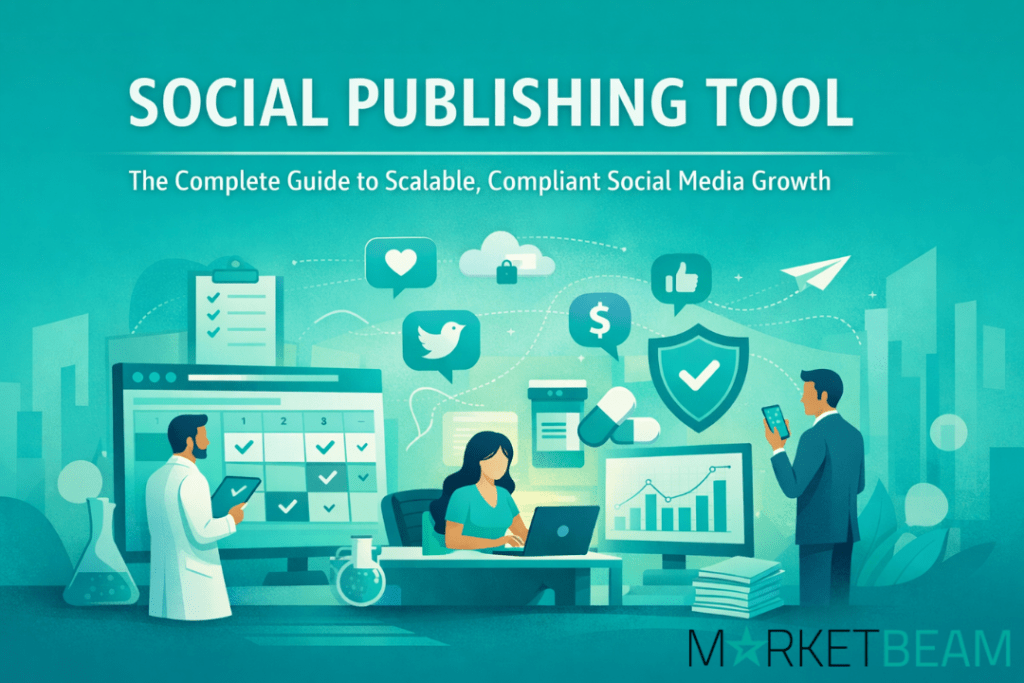
In today’s digital landscape, brands can no longer grow without consistent and strategic social media publishing. With audiences spread across multiple platforms, the need for a reliable social publishing platform has become essential for visibility, engagement, and long-term trust. Modern teams depend on advanced social media publishing tools and social media scheduling tools to simplify content workflows, reduce manual effort, and maintain posting consistency across every channel.
Get started with MarketBeam today and take your brand awareness to new heights!
1. How does social media increase brand awareness?
Social media increases brand awareness by helping brands reach wider audiences, show their personality, and build trust through consistent content. When people see your posts often, recognize your visuals, and engage with your stories, your brand becomes easier to remember and identify.
2. What type of content boosts social media brand awareness?
Content that boosts social media brand awareness includes educational posts, storytelling content, customer testimonials, behind-the-scenes videos, user-generated content (UGC), infographics, and visually consistent brand assets. Interactive formats like polls and reels also increase visibility.
3. How do I measure brand awareness on social media?
You can measure brand awareness on social media using metrics such as reach, impressions, engagement rate, branded search volume, share of voice, follower growth, and content saves or shares. These performance indicators show how many people know, remember, and interact with your brand.
4. How often should brands post to build awareness?
Brands should post consistently—ideally 3–5 times a week—to build strong social media brand awareness. Consistency keeps your content visible in feeds, improves algorithm performance, and strengthens audience recall.
5. Which social media platforms are best for increasing brand awareness?
Different platforms work for different audiences. Instagram and TikTok are great for visual storytelling, LinkedIn works well for B2B brand awareness, Facebook offers broad reach, and YouTube helps with long-form educational content. The best platform depends on your target audience.
6. Why is visual consistency important for brand awareness?
Visual consistency helps people instantly recognize your brand. Using the same colors, fonts, themes, and design styles across posts strengthens brand recall and makes your content stand out in the crowded social media environment.
7. Can employee advocacy improve social media brand awareness?
Yes. Employee advocacy significantly increases brand awareness because employees’ networks amplify your reach. When employees share approved company content, the brand appears more authentic, trustworthy, and relatable.
8. How long does it take to build brand awareness on social media?
Building strong brand awareness takes 3–6 months of consistent posting, engaging content, and active interaction with your audience. Growth may accelerate faster with paid promotion, UGC campaigns, or influencer collaborations.
9. What are the best metrics to track for social media brand awareness?
Track reach, impressions, engagement rate, branded search trends, share of voice, mentions, and profile visits. These metrics indicate how many people see your brand and how strongly they remember it.
10. How can MarketBeam help improve social media brand awareness?
MarketBeam boosts social media brand awareness through compliant publishing, AI-driven optimization, employee advocacy, analytics, and automated amplification. It helps regulated industries grow visibility while staying compliant with FDA, HR, and industry rules.