Introduction: The Rise of Social Media Automation
In 2025, social media has evolved into one of the most powerful tools for brand communication, demand generation, and thought leadership. But as platforms grow more complex and audiences expect real-time engagement, manual posting just isn’t sustainable anymore.
That’s where smart publishing tools come into play.
These advanced solutions are redefining how brands manage their digital presence. By leveraging social media automation, marketing teams can schedule posts, optimize performance, and maintain compliance — all while saving time and resources.
The shift from traditional, manual workflows to automatic social media posting is no longer optional. It’s a necessity for any business looking to scale efficiently, especially in regulated industries like life sciences, healthcare, and fintech.
In today’s landscape, automation tools aren’t just about convenience. They’re about enabling speed, consistency, and brand safety at scale. With the right platform in place, you can stop worrying about posting logistics and start focusing on what really matters — creating content that drives results.
1. What Are Smart Publishing Tools?
Smart publishing tools are platforms designed to automate, schedule, and manage content across social media channels. They help businesses publish consistently, stay organized, and save time while keeping content aligned with strategic goals.
These tools go beyond basic scheduling. They include features like analytics dashboards, AI-powered suggestions, and collaborative workflows. In many cases, they are referred to as automated tools, offering advanced capabilities that support large-scale social operations.
Over time, the industry has moved from simple schedulers to full-featured social media publishing tools. Today’s solutions often act as automated platforms, combining content creation, approval, and distribution into a single system. Many teams use a multipost tool to schedule posts across multiple accounts and platforms simultaneously — improving productivity and brand consistency.
Software specifically created to manage posting, approvals, and optimization is often called postsoftware. These tools allow marketers to review content in advance, assign tasks, and ensure brand and messaging compliance.
This level of automation is especially valuable in sectors like finance, healthcare, and biotechnology, where regulations can impact even routine content. For these teams, smart publishing tools serve not only as productivity solutions but also as essential safeguards for compliance and oversight.
2. Benefits of Using Automation Tools for Social Media
As social platforms become more dynamic and fast-paced, businesses need smarter ways to keep up. That’s where automation tools step in. Whether you’re a startup or a global enterprise, automating your social media can transform how you communicate with your audience and manage your brand.
✅ 1. Consistency in Content Delivery
Automation ensures your content is published regularly without gaps. Scheduled posts help maintain a steady brand presence across platforms — even when your team is offline. Using reliable social media automation software, businesses can plan weeks or even months of content in advance, reducing last-minute stress.
✅ 2. Enhanced Compliance
For regulated industries, compliance isn’t optional. Automation tools often include approval workflows, audit trails, and rule-based publishing. This ensures that every post meets internal standards and external regulations. With the right social media business integration tools, compliance becomes a built-in part of your publishing process, not an afterthought.
✅ 3. Time Savings
Manually logging into each platform to post content is not just inefficient — it’s unnecessary. Smart platforms save hours by automating everything from scheduling to performance tracking. With content automation software, teams can create once and distribute everywhere.
✅ 4. Cost Efficiency
Automation allows smaller teams to achieve more with fewer resources. By reducing the need for constant manual intervention, companies can reallocate marketing hours to more strategic initiatives. Social media marketing automation helps scale campaigns without increasing overhead costs.
✅ 5. Stronger Engagement
Consistent and timely posts result in better visibility and more interaction. Automation helps you catch your audience at peak times, increasing likes, shares, and comments. Plus, with built-in optimization features, tools can suggest when and where to post for the greatest impact — all without guesswork.
3. Key Features to Look for in Smart Publishing Tools
Not all automation platforms are created equal. The best smart publishing tools go beyond basic functionality to offer intelligent, scalable features that streamline your workflow and drive results. Here are the top features you should look for when evaluating any social media automation tool:
✅ 1. Auto Post to Social Media Capabilities
The core function of any automation platform is the ability to auto post to social media. This allows you to schedule content across platforms like LinkedIn, Twitter, and Facebook without switching tabs or apps. A reliable auto poster tool ensures your posts go live exactly when they should, keeping your content flow uninterrupted.
✅ 2. Social Media Automatic Posting and Scheduling
Look for tools that support calendar-based scheduling, recurring posts, and platform-specific optimization. Social media automatic posting features eliminate the need for daily check-ins, freeing your team to focus on strategy rather than logistics. Platforms offering free social media autoposter capabilities can also be great starting points for small teams.
✅ 3. Integration with CRM and Compliance Platforms
Smart publishing doesn’t stop at posting. Top-tier tools integrate with your CRM, allowing you to track leads and customer interactions. In regulated industries, integration with compliance platforms ensures that every post meets internal review requirements before going live — reducing risk and saving time.
✅ 4. AI-Driven Recommendations and Post Inventory
Modern automation tools come equipped with AI that recommends optimal post times, formats, and even captions. This data-driven approach enhances reach and engagement. Some platforms also provide post inventory with Hootsuite or similar features — helping teams manage existing content, repurpose top performers, and avoid repetition.
✅ 5. Real-Time Analytics and Feedback
Without analytics, automation is a shot in the dark. Look for tools that provide performance dashboards, click-through rates, engagement metrics, and even predictive insights. These features help you continually refine your strategy based on what’s working — and what isn’t.
4. Top Use Cases: From Solo Creators to Regulated Enterprises
Whether you’re a solo content creator managing a personal brand or a compliance-focused marketing team in a highly regulated industry, automated social media tools can adapt to your unique needs. Here’s how different user types benefit from automation:
✅ 1. Solo Creators and Startups
Small teams often wear many hats. With limited time and resources, tools that offer free social media auto post software or entry-level plans can help maintain a consistent presence online. Features like auto post to social media, drag-and-drop scheduling, and post previews allow individual marketers to compete with larger brands.
Example Tools: Buffer, Later, and other free social media autoposter options that simplify basic scheduling.
✅ 2. Mid-Size Businesses and Growing Teams
As companies grow, so does their content volume. Marketing managers often need a social media automation tool that supports multiple users, content calendars, and approval workflows. Integration with email marketing platforms and CRMs helps create a unified marketing stack.
Tools in this category also help track automated social media posts across departments and campaigns, making collaboration more efficient.
✅ 3. Agencies and Multi-Brand Managers
Agencies handling multiple clients or brands use multipost tools and postsoftware to streamline publishing across dozens of accounts. Features like team tagging, content approval chains, and centralized analytics dashboards are essential for scaling without chaos.
✅ 4. Regulated Industries (Pharma, Fintech, MedTech, Finance)
In regulated environments, automation must go hand-in-hand with compliance. These organizations depend on automated platforms that provide audit trails, MLR approval flows, and content archiving.
Solutions like MarketBeam are tailored for industries where every automated social media post must be reviewed, tracked, and retained for legal purposes. This ensures safety, accuracy, and adherence to regulatory frameworks.
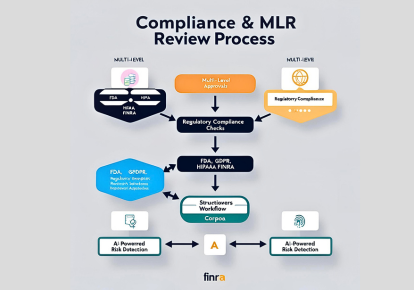
Bonus: MarketBeam also enables secure content automation within controlled access environments — ideal for life sciences and financial services.
No matter the industry or team size, the right automation platform can save time, increase productivity, and reduce risk — making social media a strategic advantage rather than a daily struggle.
4. Top Use Cases: From Solo Creators to Regulated Enterprises
Smart publishing tools are not one-size-fits-all — they’re built to support a variety of business models and marketing structures. From entrepreneurs to global enterprises, automation is now essential to streamline operations, ensure consistency, and reduce risk. Let’s explore how different types of users benefit from these solutions:
✅ 1. Small Businesses and Solo Creators
Independent professionals and small teams often juggle multiple roles. For them, automation brings relief and efficiency. Using free social media auto post software, small businesses can build a consistent online presence without needing a dedicated social media manager.
These social media automation tools free the user from daily manual posting, allowing them to batch-create content and schedule it in advance. Most importantly, these platforms offer essential features without a high cost — making them ideal for startups or freelancers just getting started.
✅ 2. Pharma and Life Sciences Companies
Pharmaceutical and life sciences companies operate in highly regulated environments where every public communication must meet strict compliance requirements. That’s where automated social media marketing software becomes indispensable.
These companies depend on platforms that integrate regulatory checks, MLR approvals, and content review workflows into their publishing process. The use of automated social media marketing not only accelerates campaign delivery but also minimizes risk by maintaining audit trails, pre-approvals, and secure archiving.

✅ 3. Mid to Large Enterprises with Compliance Needs
Enterprises with multiple teams and high content volume need enterprise-grade automation platforms. These organizations rely heavily on social media auto publish features that come with built-in controls, user permissions, and version tracking.
By integrating paid social automation, they also extend automation into advertising — reducing manual errors while optimizing spend across channels. These businesses often seek solutions that provide both publishing and ad automation under one secure dashboard.
Across all use cases, the right automation strategy brings clarity, control, and consistency — helping businesses grow without being slowed down by operational complexity or compliance concerns.
5. Popular Smart Publishing Tools in the Market
With so many automation platforms available, choosing the right one can be overwhelming. Some tools are built for simplicity, while others cater to complex compliance needs or large-scale operations. Below is a quick comparison of popular smart publishing tools, including those designed for regulated industries and general-purpose use.
✅ MarketBeam
Best for: Regulated industries like pharma, fintech, and healthcare
MarketBeam is a social media publishing tool purpose-built for compliance-first automation. It includes MLR review workflows, audit trails, employee advocacy, and real-time analytics. Ideal for companies that need automated platforms with industry-specific safeguards. It also supports automated social media marketing across teams.
✅ Hootsuite
Best for: Mid-sized businesses and agencies
Hootsuite is a veteran in the space, offering multipost tool features, basic analytics, and a solid auto poster tool. Many teams use it for post inventory with Hootsuite, managing what’s been posted, scheduled, or pending approval. While it lacks deep compliance workflows, it’s great for general-purpose scheduling.
✅ Buffer
Best for: Solo creators and small teams
Buffer offers clean UI, straightforward scheduling, and integrations with major platforms. Known for its ease of use and free social media autoposter plan, Buffer supports individuals or small businesses looking for simple yet effective scheduling and posting capabilities.
✅ Sprout Social
Best for: Agencies and teams that need collaboration
Sprout Social combines publishing with engagement and analytics features. While not a fit for highly regulated industries, it’s a robust postsoftware solution for marketing agencies managing multiple client accounts.
✅ Later
Best for: Visual-first brands (especially on Instagram and Pinterest)
Later is designed for visually planning content. While not as feature-rich for automated social media marketing software, it’s excellent for brands that prioritize content layout and imagery across social channels.
| Tool | Strength | Compliance-Ready | Free Plan Available |
| MarketBeam | Compliance + automation | ✅ Yes | ❌ No |
| Hootsuite | Multi-account management | ❌ Limited | ✅ Yes |
| Buffer | Simplicity for individuals | ❌ No | ✅ Yes |
| Sprout Social | Collaboration and reporting | ❌ No | ❌ No |
| Later | Visual content planning | ❌ No | ✅ Yes |
From auto posting tools to full-fledged automated platforms, there’s a solution for every brand. The key is choosing the right one based on your industry, team size, and content complexity.
6. How to Automate Social Media Posts Without Losing the Human Touch
Automation brings speed and scale, but brands often fear losing authenticity. Fortunately, with the right strategy, you can balance efficiency with a personal voice — making sure every automated post still feels like it came from a real human.
Here’s how to do it effectively:
✅ 1. Write Authentic, Brand-Aligned Copy
Even when you automate social media posts, keep your brand voice consistent. Write captions that feel human, use emojis where appropriate, and tailor your tone to each platform. Many social media automation tools allow you to create reusable templates that still leave room for creativity.
✅ 2. Use Approval Workflows Before Scheduling
Before you schedule content using a social media post tool or automated social media tool, have your team review it. This prevents robotic-sounding posts and ensures alignment with ongoing campaigns or events. Many social media posting platforms offer multi-stage approvals to help.
✅ 3. Mix Live and Scheduled Posts
Don’t rely solely on automation. Blend real-time engagement with scheduled content. For instance, use social media auto posting for evergreen content and go live or post manually for trending topics and conversations. This keeps your feed dynamic.
✅ 4. Test and Learn What Works
Use an app for testing social media posts or platforms that allow A/B testing. Try different tones, formats, and calls to action, and let performance data guide your voice. This kind of insight helps ensure that automated social media posts still resonate with real people.
✅ 5. Don’t Over-Automate
Yes, you can schedule a month’s worth of posts in advance with auto posting features or a social auto post setup, but balance is key. Monitor conversations, respond to comments, and show up in real time to maintain trust and connection.
By combining the power of automated social media marketing with intentional messaging, brands can enjoy the benefits of automation without sounding robotic. The tools handle the logistics — your team handles the personality.
7. Advanced Strategies for Smart Scheduling and Optimization
Using smart publishing tools isn’t just about automation — it’s about optimizing content for performance, engagement, and brand alignment. Once the basics are in place, these advanced strategies will help you get the most out of your social automation setup.
✅ 1. Use AI-Driven Scheduling for Maximum Reach
Many social media automation tools now include AI that identifies the best times to post based on audience activity. Instead of guessing, let the tool decide when your content is most likely to perform. This improves visibility and saves time.
Tools like MarketBeam and others offer automated social media posting suggestions based on real-time data, taking the guesswork out of your schedule.
✅ 2. Recycle Evergreen Content with Multipost Tools
Not all content has to be one-and-done. Use a multipost tool or automated platforms that allow you to reschedule high-performing posts. This increases ROI on your best content and fills gaps in your calendar with proven winners.
✅ 3. Create a Centralized Post Inventory
Track what has been posted, approved, or scheduled using a post inventory with Hootsuite or similar dashboard. A centralized inventory prevents duplicate posts and improves team collaboration — especially across campaigns and regions.
✅ 4. Integrate with Content Automation Platforms
Connect your publishing tool to a content automation platform to streamline content creation, editing, and publishing. This is especially useful when managing blog distribution, landing pages, or multichannel content calendars. It also ensures your tone and messaging are consistent everywhere.
✅ 5. Align Paid and Organic Automation
A truly optimized strategy includes paid social automation alongside organic posts. Automate A/B testing of ad creatives, audience targeting, and budget optimization. Some platforms offer marketing automation and social media advertising in one place for seamless execution.
✅ 6. Set Up Social Media Business Integration Tools
Smart integrations between your CRM, email tools, and publishing platforms allow for personalized social campaigns. These social media business integration tools help you tailor content by audience segment, campaign, or even customer lifecycle stage.
By leveraging these advanced tactics, your automated social media plan becomes a high-performance engine — delivering the right content, to the right people, at the right time.
8. Challenges and Solutions in Social Media Automation
While social media automation offers speed and scale, it isn’t without challenges. From over-automation to tool overload, even the best strategies can hit roadblocks. The good news? With the right approach, these obstacles are easy to overcome.
🚧 Challenge 1: Losing Authenticity
Over-reliance on automation can lead to robotic or repetitive content. Audiences want real conversations, not canned messages.
Solution:
Use automated tools for logistics — not voice. Personalize your captions, rotate post formats, and combine auto post to social media features with occasional real-time engagement. Leverage a social media post tool that allows for pre-approval and human editing before posts go live.
🚧 Challenge 2: Too Many Tools, Not Enough Integration
Using one app to schedule, another for analytics, and a third for compliance can lead to confusion and inefficiency.
Solution:
Consolidate into a single automated social media tool that offers publishing, analytics, and integrations. MarketBeam, for example, combines everything from content scheduling to MLR approvals in one platform — avoiding the need for patchwork systems like multiple postsoftware add-ons.
🚧 Challenge 3: Compliance in Regulated Industries
In industries like pharma and finance, every post must meet legal standards. Automation without compliance features can create risk.
Solution:
Use platforms that offer audit trails, approval chains, and archiving — ideally automated social media marketing software with built-in compliance. These tools ensure that automated social media marketing stays secure and compliant.
🚧 Challenge 4: Overposting or Duplicate Content
Automated scheduling can backfire if you post too frequently or repeat content.
Solution:
Track scheduled content through your social media posting tool and use post rotation features. Tools that include post inventory with houtsuit (or similar dashboards) help you manage timing and avoid overlaps.
🚧 Challenge 5: Budget Waste in Paid Social Automation
Automating paid campaigns without oversight can quickly drain ad budgets with little ROI.
Solution:
Opt for paid social automation tools that allow real-time optimization, A/B testing, and budget limits. Integrated solutions help align your marketing automation and social media ad strategy.
By being aware of these pitfalls — and solving them with the right platform — businesses can enjoy the full benefits of automated social media without compromising control or creativity.
9. Free vs Paid Smart Publishing Tools: What to Choose?
When considering smart publishing tools, one of the most common questions marketers ask is: Should I go with a free tool or invest in a premium platform? The answer depends on your business goals, content volume, and industry-specific needs.
Let’s break it down:
🆓 Free Social Media Auto Post Tools: Pros & Cons
Many startups and individual creators begin their journey with free social media autoposter platforms. These tools typically offer basic scheduling, single-user access, and limited analytics.
Pros:
- Cost-effective for basic needs
- Quick to set up and use
- Perfect for testing out workflows
Cons:
- Limited features (no compliance, basic support)
- Often lack CRM integration
- Restricted number of accounts or posts
- No audit trail or post approval workflows
Popular social media automation tools free like Buffer or Later offer a good entry point — but may not scale with your business.
💼 Paid Smart Publishing Platforms: Pros & Cons
Investing in automated social media marketing software brings a more robust and scalable experience. These platforms are designed for businesses with high content volume, regulatory requirements, or multichannel strategies.
Pros:
- Full automation and scheduling features
- CRM, email, and compliance integrations
- Team collaboration and content approval workflows
- Advanced analytics and real-time dashboards
- Support for paid social automation
Cons:
- Monthly or annual subscription required
- May require onboarding or training
- Overkill for very small teams with low content needs
For companies in regulated sectors or managing large teams, paid platforms like MarketBeam deliver value by combining automated social media, content automation, and compliance — all under one dashboard.
⚖️ How to Decide
| Your Situation | Best Choice |
| Just getting started | Free social media posting apps |
| Running a small business | Affordable auto poster tool with growth plans |
| Managing regulated content | Paid social media publishing tool with audit trails |
| Scaling across teams or locations | Enterprise-grade automated platforms |
| Running ads + organic campaigns | Integrated marketing automation social media tools |
Choosing between free and paid options ultimately comes down to your workflow, content volume, and how mission-critical social media is to your brand’s growth.
10. Industry Spotlight: Automation in Pharma, Finance, and Tech
While social media automation benefits every industry, it’s especially transformative for sectors with strict regulations, high volumes of content, and a need for rapid yet controlled communication. Let’s explore how automated social media marketing is powering innovation in these spaces.
🧬 Pharmaceutical and Life Sciences
In the pharmaceutical industry, every post must pass through legal, medical, and regulatory (MLR) review. A minor error can result in regulatory penalties — making automation with compliance an absolute must.
With the right automated social media marketing software, pharma marketers can:
- Submit posts for pre-approval
- Maintain audit trails and version histories
- Use social media auto publish with MLR safeguards
- Automate responses to patient queries in a controlled way
Solutions like MarketBeam offer a social media publishing tool built specifically for compliance-heavy industries, ensuring every piece of content is audit-ready.
💰 Finance and Fintech
Financial institutions face similar restrictions — content must adhere to FINRA, SEC, and other global guidelines. Yet, timely market updates and investor insights are essential.
By using automated platforms, banks and fintech firms can:
- Pre-schedule investor alerts or earnings announcements
- Use marketing automation and social media alignment to drive conversions
- Leverage paid social automation for acquisition campaigns with built-in compliance controls
This enables them to publish content at speed without compromising security or trust.
🧠 Technology and SaaS
In the tech space, product updates, customer success stories, and event promotions happen fast. Manual posting can’t keep up — especially when scaling across global markets.
Tech companies benefit from:
- Auto poster tools for agile campaign launches
- Social media posting tools for global brand consistency
- Content automation platforms that sync social with website or email efforts
- Real-time tracking using a social media posting platform
Whether it’s a product launch or developer blog, automated social media helps tech marketers move at the speed of innovation.
Across all three industries, smart automation isn’t just about saving time — it’s about staying compliant, competitive, and connected in a complex digital environment.
11. Conclusion: Smart Publishing Tools Are the Future
The days of logging into multiple platforms, manually crafting posts, and hoping for the best are behind us. Today, brands of all sizes — from startups to global enterprises — are leveraging smart publishing tools to scale their efforts, maintain consistency, and ensure compliance.
Whether you’re using a social media automation tool for basic scheduling or adopting automated social media marketing software for enterprise-grade control, automation gives your team the power to do more with less. It frees up creative time, minimizes risk, and transforms how you manage digital communication.
From automatic social media posting to paid social automation, and from free social media autoposter solutions to highly advanced automated platforms, the range of options continues to grow — and so does the impact they deliver.
No matter your industry or team size, one thing is clear: if you want to stay ahead, stay consistent, and stay compliant, it’s time to automate social media posts — and do it smartly.
Ready to experience the power of automated social media posting that’s built for compliance and performance?
👉 Book a free demo with MarketBeam — the all-in-one platform for regulated industries and ambitious teams.