Definition and Importance of Social Media in Healthcare Marketing

Social media in healthcare marketing refers to the use of social networking platforms, such as Facebook, Twitter, Instagram, and LinkedIn, to promote healthcare services, engage with patients, and disseminate health-related information. It plays a crucial role in modern marketing strategies for healthcare organizations by facilitating direct communication with target audiences and fostering community engagement.
The importance of social media in healthcare marketing cannot be overstated. It has revolutionized the way healthcare organizations connect with patients and stakeholders, offering a dynamic platform for sharing valuable insights, promoting health initiatives, and building brand awareness. In an era where digital communication is prevalent, social media has become an essential tool for reaching and engaging healthcare consumers effectively.
Brief Overview of How Social Media Has Revolutionized Healthcare Marketing Strategies
Maintaining HIPAA social media compliance protects both patient privacy and brand reputation. Compliant healthcare marketing ensures every post aligns with strict data and ethical standards.
Traditionally, healthcare marketing relied heavily on traditional media channels such as television, radio, and print advertising. However, the advent of social media has brought about a paradigm shift in marketing strategies within the healthcare industry.
Social media platforms offer unique advantages such as real-time interaction, targeted advertising, and data analytics capabilities. These features have revolutionized how healthcare organizations approach marketing, allowing for personalized messaging, precise audience targeting, and immediate feedback from patients and consumers.
Moreover, social media has democratized marketing efforts, enabling even small healthcare practices to compete on a level playing field with larger institutions. It has empowered healthcare professionals to showcase their expertise, share educational content, and foster meaningful relationships with patients beyond the confines of traditional marketing channels.
In essence, social media has not only modernized but also humanized healthcare marketing strategies, paving the way for more personalized, engaging, and impactful communication between healthcare providers and their audiences.
Advantages of Social Media in Healthcare Marketing
Enhanced Reach and Engagement with Target Audiences
Social media platforms provide healthcare organizations with unprecedented access to a vast and diverse audience. Through targeted advertising and content sharing, healthcare marketers can reach specific demographic groups based on factors such as age, location, interests, and behaviors. This enhanced reach allows for precise targeting of potential patients and stakeholders who are more likely to engage with relevant healthcare content.
Furthermore, social media fosters active engagement by enabling two-way communication between healthcare providers and their audiences. Patients can ask questions, share feedback, and interact with healthcare content in real-time, leading to a deeper level of engagement and relationship building.
Cost-effective Advertising and Promotional Opportunities
Compared to traditional advertising channels like television, radio, or print media, social media offers cost-effective options for healthcare marketing. Platforms like Facebook, Instagram, and LinkedIn provide tools for targeted advertising campaigns that can be customized based on budget, audience demographics, and campaign objectives.
The ability to track and measure advertising performance in real-time allows healthcare marketers to optimize their campaigns for maximum effectiveness. This cost-effectiveness is especially beneficial for smaller healthcare practices or organizations with limited marketing budgets, as they can reach a wider audience without significant financial investment.
Real-time Feedback and Data Analytics for Informed Decision-Making
One of the significant advantages of social media in healthcare marketing is the availability of real-time feedback and data analytics. Healthcare organizations can monitor audience engagement metrics such as likes, shares, comments, and click-through rates to gauge the effectiveness of their marketing campaigns.
Moreover, social media platforms offer robust analytics tools that provide insights into audience demographics, preferences, and behavior patterns. This data-driven approach allows healthcare marketers to make informed decisions regarding content strategy, campaign optimization, and audience targeting. By leveraging real-time feedback and data analytics, healthcare organizations can continuously refine their marketing efforts to better resonate with their target audiences and achieve their marketing goals.
III. Best Practices for Social Media Healthcare Marketing
Developing a Comprehensive Social Media Strategy
Creating a successful social media presence in healthcare requires a well-thought-out strategy that aligns with the organization’s overall marketing goals and objectives. Key components of a comprehensive social media strategy include:
– Defining clear goals and KPIs (Key Performance Indicators) such as increasing brand awareness, driving patient engagement, or promoting specific healthcare services.
– Identifying target audiences and understanding their demographics, preferences, and needs.
– Selecting appropriate social media platforms based on audience demographics and platform suitability for healthcare content.
– Creating a content calendar with scheduled posts, campaigns, and promotions to maintain consistency and relevance.
– Allocating resources and responsibilities for social media management, including content creation, community engagement, and analytics tracking.
– Implementing strategies for audience growth and engagement, such as contests, collaborations, and interactive content.
– Continuously monitoring and analyzing social media performance metrics to evaluate the effectiveness of the strategy and make data-driven optimizations.
Creating Engaging and Relevant Content for Healthcare Audiences
The success of social media marketing in healthcare hinges on creating compelling and valuable content that resonates with the target audience. Best practices for content creation include:
– Tailoring content to address audience interests, concerns, and informational needs related to healthcare topics.
– Using a mix of content formats such as informational articles, infographics, videos, testimonials, and interactive polls to keep the audience engaged.
– Incorporating storytelling techniques to humanize healthcare content and evoke emotional connections with the audience.
– Providing educational content that empowers patients with valuable health information and promotes health literacy.
– Leveraging user-generated content and patient testimonials to build trust and credibility.
– Adhering to brand guidelines, tone of voice, and messaging consistency across all social media channels.
Ensuring Compliance with Healthcare Regulations and Ethical Guidelines
Healthcare organizations must navigate legal and ethical considerations when engaging in social media marketing to protect patient privacy, maintain professional standards, and adhere to regulatory requirements. Best practices for compliance include:
– Familiarizing team members with relevant regulations such as HIPAA (Health Insurance Portability and Accountability Act) and FDA (Food and Drug Administration) guidelines regarding health information sharing and advertising of healthcare products.
– Establishing clear social media policies and guidelines for employees, outlining acceptable practices, confidentiality measures, and consequences for non-compliance.
– Conducting regular training and education sessions for staff members involved in social media management to ensure awareness of regulatory obligations and ethical considerations.
– Implementing secure data handling practices, including obtaining patient consent for sharing personal information, safeguarding sensitive data, and maintaining confidentiality in online communications.
– Monitoring and addressing potential compliance issues or violations promptly, including inappropriate content, patient complaints, or data breaches, and taking corrective actions as necessary.
By following these best practices, healthcare organizations can maximize the effectiveness of their social media marketing efforts while maintaining legal compliance, ethical integrity, and trust with their audiences.
Impact of Social Media on Healthcare Marketing

Influence on Patient Behavior and Decision-Making
Social media has a significant influence on patient behavior and decision-making processes in healthcare. Key impacts include:
– Empowering patients with access to a wealth of health information, enabling them to research conditions, treatments, and healthcare providers before making decisions.
– Influencing healthcare choices through patient testimonials, reviews, and recommendations shared on social media platforms.
– Shaping perceptions of healthcare providers and organizations based on their online presence, engagement with patients, and content credibility.
– Driving patient engagement in preventive healthcare practices, wellness initiatives, and treatment adherence through targeted messaging and educational campaigns.
– Facilitating patient-provider communication and appointment scheduling through social media channels, enhancing convenience and accessibility for patients.
Building Brand Reputation and Trust in Healthcare Organizations
Social media plays a pivotal role in building brand reputation and fostering trust between healthcare organizations and their audiences. Key impacts include:
– Creating opportunities for healthcare organizations to showcase their expertise, services, and patient outcomes through engaging and informative content.
– Encouraging transparent communication and dialogue with patients, addressing inquiries, concerns, and feedback promptly and professionally.
– Humanizing the healthcare experience by sharing stories, testimonials, and behind-the-scenes insights that resonate with patients and demonstrate the organization’s values and commitment to quality care.
– Amplifying positive patient experiences and success stories, which can enhance brand perception and loyalty.
– Managing crises and addressing negative feedback effectively, demonstrating accountability, and working towards resolutions to maintain trust and reputation.
Leveraging Social Media for Health Education and Awareness Campaigns
Social media platforms serve as powerful tools for delivering health education and raising awareness about important healthcare topics. Key impacts include:
– Disseminating accurate and evidence-based health information to a wide audience, promoting health literacy and informed decision-making.
– Engaging in public health campaigns, disease awareness initiatives, and preventive care messaging to encourage healthier lifestyles and early intervention.
– Targeting specific demographics or communities with tailored health education content, addressing relevant issues and cultural considerations.
– Facilitating collaboration and partnerships between healthcare organizations, advocacy groups, influencers, and community stakeholders to amplify health messages and initiatives.
– Tracking engagement metrics and campaign performance to assess the effectiveness of health education efforts and adjust strategies as needed to maximize impact.
Overall, the impact of social media on healthcare marketing extends beyond promotional activities to encompass patient empowerment, trust-building, and public health advocacy, contributing to improved healthcare outcomes and patient experiences.
Challenges and Risks in Social Media Healthcare Marketing
One of the foremost challenges in social media healthcare marketing is ensuring the protection of patient privacy and maintaining confidentiality, especially in the context of sensitive health information. Key considerations and risks include:
Maintaining Patient Privacy and Confidentiality (HIPAA Compliance)
– Adhering to HIPAA regulations regarding the use and disclosure of protected health information (PHI) on social media platforms.
– Implementing strict policies and protocols for handling patient data, obtaining consent for sharing testimonials or case studies, and securing communication channels.
– Educating employees and stakeholders about HIPAA compliance requirements and the potential consequences of unauthorized disclosure or breaches.
– Monitoring social media interactions and content to prevent inadvertent sharing of confidential information and promptly addressing any privacy concerns or violations.
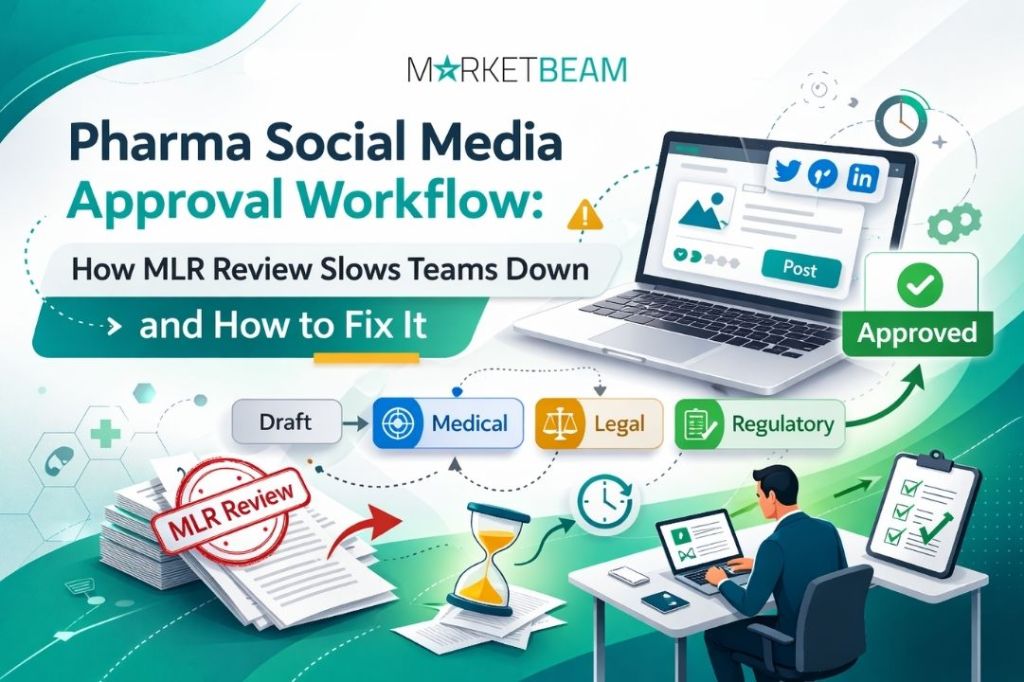
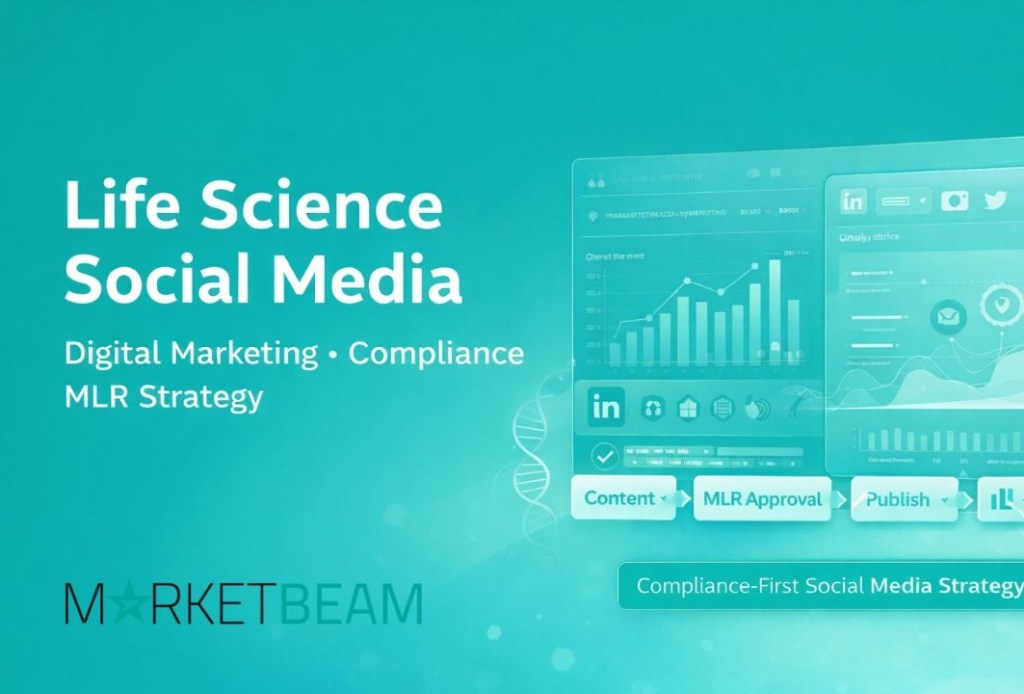
Life sciences social media strategies often focus on educating healthcare professionals and patients. For pharma social media marketing, every message must pass through MLR and FDA review to avoid regulatory risks.
Managing Negative Feedback and Public Relations Issues
Social media platforms can amplify both positive and negative feedback, presenting challenges in managing online reputation and addressing public relations issues effectively. Key considerations and risks include:
– Responding promptly and professionally to negative feedback, complaints, or criticisms from patients, ensuring empathy, transparency, and a solutions-oriented approach.
– Implementing crisis communication strategies and protocols to manage social media crises, address misinformation, and protect the organization’s reputation.
– Training social media managers and staff members on best practices for handling negative comments or reviews, de-escalating conflicts, and maintaining a positive brand image.
– Monitoring social media mentions, reviews, and sentiment analysis tools to proactively identify potential issues and mitigate reputational risks before they escalate.
Navigating Legal and Regulatory Complexities in Advertising and Promotions
Healthcare organizations must navigate a complex landscape of legal and regulatory requirements when conducting advertising and promotional activities on social media. Key considerations and risks include:
– Ensuring compliance with healthcare advertising regulations, FDA guidelines for medical product promotions, and FTC regulations for transparency and disclosure in sponsored content.
– Avoiding misleading or deceptive marketing practices, exaggerated claims, or unverified testimonials that could lead to regulatory scrutiny or consumer distrust.
– Consulting legal counsel or compliance experts to review social media marketing campaigns, sponsored content agreements, influencer collaborations, and promotions to ensure compliance with applicable laws and guidelines.
– Staying updated on evolving regulations, industry standards, and best practices in social media advertising to adapt strategies and mitigate legal risks proactively.
By addressing these challenges and risks proactively, healthcare organizations can enhance the effectiveness and credibility of their social media marketing efforts while safeguarding patient privacy, reputation, and legal compliance.
Emerging Trends and Technologies in Social Media Healthcare Marketing
Introduction to Innovative Tools and Platforms for Healthcare Marketing
The landscape of social media healthcare marketing is constantly evolving with the emergence of innovative tools and platforms designed to enhance engagement, reach, and effectiveness. Key trends and technologies include:
– Social listening tools that allow healthcare organizations to monitor conversations, trends, and sentiment related to their brand, industry, or health topics.
– Chatbots and AI-powered virtual assistants for automated patient engagement, appointment scheduling, and personalized health information delivery.
– Video streaming platforms and live broadcasting features for hosting virtual events, patient education sessions, and interactive Q&A sessions.
– Augmented Reality (AR) and Virtual Reality (VR) experiences for immersive patient education, simulation training for healthcare professionals, and showcasing medical procedures.
– Mobile health (mHealth) apps integrated with social media platforms for health tracking, patient support communities, telemedicine consultations, and medication reminders.
Exploring the Role of Influencers and User-Generated Content in Healthcare Campaigns
Influencer marketing and user-generated content (UGC) play a significant role in shaping healthcare conversations, building credibility, and fostering engagement on social media. Key trends and strategies include:
– Collaborating with healthcare influencers, medical professionals, patient advocates, and celebrities to amplify health messages, promote services, and reach new audiences.
– Encouraging patients to share their healthcare experiences, success stories, and testimonials through UGC campaigns, contests, and patient spotlight features.
– Leveraging influencer partnerships for educational content, awareness campaigns, product endorsements, and advocacy initiatives aligned with healthcare objectives.
– Monitoring influencer partnerships and UGC contributions to ensure compliance with regulatory guidelines, ethical standards, and brand guidelines.
Harnessing Data Analytics and AI for Personalized Marketing Strategies
Data analytics and artificial intelligence (AI) technologies offer powerful capabilities for optimizing social media healthcare marketing strategies and delivering personalized experiences. Key trends and applications include:
– Utilizing data analytics tools to track social media metrics, audience insights, engagement patterns, and campaign performance for informed decision-making.
– Implementing AI-driven algorithms for content recommendations, audience segmentation, and targeted advertising based on user behaviors, preferences, and predictive analytics.
– Deploying AI chatbots for personalized interactions, healthcare advice, symptom assessment, and triage support, improving patient engagement and satisfaction.
– Integrating data from electronic health records (EHRs), wearables, and health monitoring devices with social media platforms to enable personalized health recommendations, wellness programs, and chronic disease management initiatives.
By embracing these emerging trends and technologies, healthcare organizations can stay ahead in the dynamic landscape of social media healthcare marketing, deliver value-driven experiences, and drive positive outcomes for patients and stakeholders.
VII. Case Studies and Success Stories

- Examples of Successful Social Media Healthcare Marketing Campaigns
- #ShareYourStory Campaign by Mayo Clinic: Mayo Clinic launched a successful social media campaign encouraging patients to share their healthcare journeys and experiences using the hashtag #ShareYourStory. This user-generated content initiative not only humanized the brand but also inspired trust and engagement among patients and followers.
- Johnson & Johnson’s YouTube Health Channel: Johnson & Johnson created a dedicated YouTube channel featuring informative and educational videos on various health topics, including wellness tips, treatment options, and patient testimonials. This content-driven approach helped the brand establish authority in healthcare while providing valuable resources to viewers.
- Cleveland Clinic’s Health Essentials Blog: Cleveland Clinic developed an extensive blog called Health Essentials, covering a wide range of medical topics, research updates, and patient stories. By sharing credible and timely content, Cleveland Clinic attracted a large audience and became a trusted source of health information online.
Lessons Learned and Key Takeaways from Industry Leaders
- Authenticity and Transparency: Successful healthcare marketing on social media requires authenticity, transparency, and a genuine focus on patient-centric content. Brands should prioritize building trust and credibility through honest communication and ethical practices.
- Engagement and Community Building: Engaging with patients, responding to feedback, and fostering a sense of community can lead to stronger relationships and brand loyalty. Healthcare organizations should actively listen to their audience and tailor content to meet their needs and interests.
- Compliance and Privacy: Maintaining compliance with healthcare regulations, patient privacy laws (such as HIPAA), and ethical guidelines is non-negotiable. Organizations must prioritize data security, consent mechanisms, and clear policies when leveraging social media for marketing.
How Different Healthcare Sectors Utilize Social Media for Marketing
- Hospitals and Healthcare Providers: Hospitals and healthcare providers use social media platforms to share health tips, promote services, showcase expertise, announce events, and engage with patients. They often feature success stories, patient testimonials, and educational content to build trust and attract new patients.
- Pharmaceutical Companies: Pharmaceutical companies leverage social media for product launches, disease awareness campaigns, regulatory updates, and engaging healthcare professionals. They adhere to strict advertising guidelines and focus on educational content rather than direct sales pitches.
- Health Tech and Telemedicine: Health tech companies and telemedicine providers utilize social media for brand awareness, customer support, product demos, and promoting the benefits of virtual healthcare. They highlight convenience, accessibility, and patient outcomes to attract users and providers to their platforms.
These case studies and insights illustrate the diverse strategies and approaches healthcare organizations adopt in leveraging social media for marketing purposes, showcasing best practices, challenges faced, and key learnings for industry professionals.
VIII. Future Outlook and Recommendations
- Predictions for the Future of Social Media in Healthcare Marketing
- Increased Personalization: The future of social media in healthcare marketing will focus on hyper-personalization, leveraging AI and data analytics to deliver tailored content, recommendations, and services based on individual patient preferences and health needs.
- Rise of Virtual Health Experiences: Virtual reality (VR), augmented reality (AR), and immersive technologies will play a significant role in creating engaging and educational healthcare experiences on social media, such as virtual tours of medical facilities, interactive health education modules, and telemedicine consultations.
- Integration of Wearables and IoT: Social media platforms will integrate with wearable devices and Internet of Things (IoT) technologies to collect real-time health data, promote wellness tracking, and enable personalized health interventions and coaching through social channels.
- Recommendations for Staying Ahead in the Evolving Landscape of Digital Marketing
- Embrace Data-Driven Insights: Leverage data analytics, AI tools, and social listening platforms to gain actionable insights into audience behaviors, preferences, and trends. Use these insights to optimize content, targeting, and campaign strategies for better ROI.
- Invest in Content Quality: Focus on creating high-quality, valuable content that resonates with your target audience. Prioritize storytelling, visual elements, and interactive formats to enhance engagement and brand perception.
- Stay Agile and Adaptive: Adapt quickly to changes in social media algorithms, trends, and user behaviors. Test and iterate marketing strategies, experiment with new features and formats, and stay informed about emerging technologies and best practices.
- Build Meaningful Relationships: Foster genuine connections with patients, influencers, and stakeholders through authentic communication, community engagement, and proactive customer support. Invest in building trust and long-term relationships rather than solely focusing on promotional messaging.
- Strategies for Addressing Challenges and Maximizing Benefits in Social Media Healthcare Marketing
- Compliance and Privacy: Continuously educate and train your team on compliance requirements, patient privacy laws, and ethical guidelines. Implement robust security measures, data encryption, and privacy controls to safeguard patient information.
- Crisis Management: Develop a comprehensive crisis communication plan for handling negative feedback, public relations issues, and social media crises. Establish protocols for timely response, escalation procedures, and reputation management strategies.
- Measurement and Optimization: Set clear KPIs and metrics to track the success of your social media marketing efforts. Regularly analyze performance data, A/B test campaigns, and use insights to optimize content, targeting, and engagement strategies for continuous improvement.
- Collaboration and Innovation: Foster cross-functional collaboration between marketing, compliance, legal, and healthcare teams to ensure alignment, risk mitigation, and innovation in social media initiatives. Encourage a culture of creativity, experimentation, and learning to stay competitive and relevant in the digital landscape.
By implementing these recommendations and strategies, healthcare organizations can navigate the challenges, leverage the opportunities, and maximize the benefits of social media in healthcare marketing, driving meaningful engagement, positive outcomes, and long-term success.
Conclusion
Recap of Key Points Discussed in the Blog
As healthcare organizations expand their digital presence, only compliant healthcare marketing powered by tools like MarketBeam can ensure social media in healthcare marketing remains safe, engaging, and regulation-ready.
Throughout this blog, we have delved into the intricate relationship between social media and healthcare marketing, highlighting various aspects such as advantages, best practices, challenges, emerging trends, and recommendations. We explored how social media enhances reach, engagement, and feedback for healthcare organizations while also addressing critical issues such as patient privacy, compliance, and crisis management.
Emphasis on the Continued Importance of Social Media in Shaping Healthcare Marketing Practices
The evolution of social media has revolutionized healthcare marketing practices, offering unparalleled opportunities for targeted communication, personalized engagement, and data-driven insights. As we look to the future, the continued importance of social media in healthcare marketing cannot be overstated. It serves as a catalyst for innovation, patient empowerment, and building meaningful relationships with audiences.
Encouragement for Healthcare Professionals and Organizations to Leverage Social Media Effectively for Marketing Success
In conclusion, I encourage healthcare professionals and organizations to embrace social media as a powerful tool for achieving marketing success. By adopting best practices, staying informed about industry trends, and leveraging emerging technologies responsibly, you can navigate the challenges, maximize the benefits, and unlock the full potential of social media in shaping the future of healthcare marketing. Let’s continue to engage, educate, and inspire through strategic and impactful social media initiatives.
Join us in revolutionizing healthcare marketing through strategic social media initiatives.
Book your demo with MarketBeam and unlock the full potential of digital engagement today!