What is Social Media Marketing?
Social media marketing (SMM) is the strategic use of social platforms like Facebook, Instagram, LinkedIn, and Twitter to promote products, services, and brands. The goal of SMM is to engage your target audience, increase brand awareness, and drive measurable sales or leads. With billions of active users worldwide, social media has become an indispensable tool in the digital marketing landscape, allowing businesses to connect with diverse and global audiences.
In today’s fast-paced digital environment, social media platforms offer unique opportunities for businesses to build relationships, foster community, and even receive direct feedback from customers. A well-executed social media strategy can enhance a company’s visibility, establish its voice in the marketplace, and ultimately contribute to growth and revenue.
- What is Social Media? Social media platforms are websites and mobile apps that allow users to create, share, and interact with content in real-time. They enable people and businesses to communicate, share stories, and build communities online. Popular platforms include:
- Facebook: Ideal for community engagement and event promotion, with diverse demographics.
- Instagram: A highly visual platform, best for brands focusing on imagery and lifestyle content.
- LinkedIn: A professional network, perfect for B2B marketing and professional content sharing.
- Twitter: Best for real-time updates and quick interactions with customers.
- TikTok: Great for engaging younger audiences through short, creative videos.
- What is Social Media Marketing? Social media marketing encompasses various tactics such as content creation, audience engagement, paid advertising (e.g., Facebook ads, Instagram promotions), and strategic scheduling of posts to build brand awareness and encourage customer interaction. SMM helps businesses to:
- Increase Visibility: Expand reach by sharing content regularly across multiple platforms.
- Drive Engagement: Engage audiences through interactive posts like polls, Q&As, and user-generated content.
- Generate Leads and Sales: Use targeted ads and promotional campaigns to drive traffic to websites, products, or services.
- Build Brand Loyalty: Create a sense of community and brand loyalty by maintaining a consistent social presence.
Social media marketing is not just about posting content; it’s about crafting a strategy that aligns with your business objectives and resonates with your audience. Whether through organic posts or paid advertisements, social media marketing can significantly impact your business’s success in today’s digital-first world.
Why Are Hashtags Helpful in Social Media Marketing?
Hashtags play a crucial role in social media marketing as they help organize and categorize content, making it more discoverable to users. By including relevant hashtags in your posts, you make it easier for potential customers and followers to find your content based on their interests. Hashtags essentially act as keywords for social media, connecting your posts with conversations or trends happening in your industry.
When users search or follow a hashtag, they are exposed to all the posts using that tag, allowing businesses to expand their reach beyond their current followers. This makes hashtags a powerful tool for increasing visibility, engagement, and fostering community around your brand.
– How to Use Hashtags Effectively:
- Research Popular Hashtags: Look for trending or widely-used hashtags in your niche or industry. Use social listening tools to find what your target audience is talking about.
- Mix General and Specific Hashtags: Combine broad, high-traffic hashtags (e.g., #marketing) with more niche or specific hashtags (e.g., #pharmamarketing) to capture both wide and targeted audiences.
- Limit the Number of Hashtags: Overloading your posts with too many hashtags can make them appear cluttered and spammy. Instagram recommends around 5-10 hashtags, while Twitter works best with 1-2 per post.
- Create Branded Hashtags: Develop unique, brand-specific hashtags (e.g., #YourBrandName) to encourage user-generated content and create a community of users around your brand.
– Benefits of Using Hashtags in Social Media Marketing:
– Increase Reach and Visibility: Hashtags expose your content to users beyond your follower base, increasing the chances of discovery.
– Enhance Audience Engagement: Hashtags invite users to participate in the conversation, whether by liking, commenting, or sharing your post.
– Build a Community: Branded or campaign-specific hashtags foster a sense of belonging, encouraging customers to share their own experiences with your brand.
– Support Social Listening and Trend Tracking: Hashtags allow businesses to monitor trends and conversations relevant to their industry, providing valuable insights into customer preferences and emerging topics.
Pro Tip: Use tools like MarketBeam, Hootsuite, or Sprout Social to analyze the performance of your hashtags across platforms. These tools can track which hashtags drive the most engagement and help you refine your hashtag strategy for future posts.
Incorporating the right hashtags into your social media strategy can significantly enhance your brand’s visibility, engagement, and growth, making them a key element in successful social media marketing campaigns.
On Which Social Networks Should You Share Content Most Frequently?
Choosing the right social media platform is essential to maximize the effectiveness of your marketing efforts. Different platforms cater to different audiences and types of content, so aligning your posting strategy with the right platform can significantly impact engagement, brand visibility, and conversions.
Let’s explore the key platforms and recommended posting frequencies:
– Instagram:
Instagram is ideal for visual storytelling and brand identity building. It’s a platform focused on photos, videos, and short-form content such as Stories and Reels. It’s especially popular among younger audiences (Millennials and Gen Z) and is perfect for brands that want to engage followers through visually engaging content.
– Content Types: High-quality images, behind-the-scenes content, user-generated content, short videos, infographics, and influencer partnerships.
– Recommended Posting Frequency: 1-3 times per day.
– Best for: Brands looking to showcase lifestyle, fashion, beauty, and food products. Also, great for influencers and businesses building a strong visual identity.
– Facebook:
As one of the largest platforms with a broad demographic, Facebook is excellent for community engagement and long-form content like blog posts, articles, and event promotions. It’s a good platform for sharing diverse content, from videos and photos to detailed business updates and event announcements.
– Content Types: Blog posts, videos, live streams, event announcements, and articles.
– Recommended Posting Frequency: 1-2 times per day.
– Best for: Small businesses, local services, community engagement, and brands targeting an older, diverse demographic.
– LinkedIn:
LinkedIn is the go-to platform for B2B marketing, industry-specific news, professional content, and thought leadership. It’s ideal for building business relationships, showcasing company culture, and engaging professionals through industry insights, case studies, and success stories.
– Content Types: Thought leadership articles, whitepapers, case studies, company updates, and industry news.
– Recommended Posting Frequency: 2-5 times per week.
– Best for: B2B companies, HR professionals, job seekers, industry experts, and those targeting a professional or corporate audience.
– Twitter:
Twitter thrives on real-time conversations and quick interactions. It’s the best platform for engaging with current trends, providing customer service, and sharing quick updates. Twitter’s fast-paced environment means posting more frequently is necessary to remain visible in users’ feeds.
– Content Types: News updates, trending topics, quick insights, customer support, and event live-tweeting.
– Recommended Posting Frequency: 5-10 times per day.
– Best for: News organizations, tech companies, thought leaders, and brands that want to engage in real-time with a global audience.
– TikTok:
TikTok has gained immense popularity for short, creative videos that go viral quickly. It’s highly engaging, especially among younger demographics (Gen Z and Millennials), and is great for brands that want to connect with audiences in a fun and informal way.
– Content Types: Short, engaging videos, trends, challenges, and user-generated content.
– Recommended Posting Frequency: 1-3 times per day.
– Best for: Entertainment, lifestyle brands, and companies that want to connect with younger audiences through video content.
Best Practices for Choosing Platforms:
- Know Your Audience: Different platforms attract different demographics, so understanding your audience is key to determining where to focus your efforts.
- Align Content Type with Platform: Each platform supports unique content formats. For example, Instagram and TikTok are best for visuals and videos, whereas LinkedIn is more suited for industry insights and professional articles.
- Engage Regularly: Posting consistently is vital to maintaining engagement. However, avoid over-posting, as it may overwhelm your audience and reduce engagement.
Marketing with Social Media: Best Practices
Marketing on social media requires a combination of strategic content creation, consistent posting, and engagement with your audience. To make the most out of your social media marketing efforts, follow these best practices:
Content Creation Tips:
Creating engaging, high-quality content is key to attracting and retaining your audience. Each piece of content should reflect your brand’s identity and speak to your audience’s needs or interests.
- Educational Posts:
– Share industry tips, how-to guides, and educational content that provide value to your audience. This can include blog articles, case studies, tutorials, and how-to videos. Educational content positions your brand as a thought leader and builds trust with your followers.
– Example: “5 Key Strategies for Building a Social Media Presence in the Healthcare Industry.”
- Visual Content:
– Social media is highly visual, and content with compelling visuals tends to get more engagement. Use high-quality images, infographics, and videos to break down complex information or highlight your products in action.
– Example: A behind-the-scenes video showcasing your product development process or an infographic summarizing key industry statistics.
- User-Generated Content (UGC):
– Encourage your followers to create content related to your brand. This can include testimonials, reviews, or photos of them using your products. UGC builds social proof and fosters a community around your brand.
– Example: Launch a branded hashtag challenge where users share photos of your product for a chance to be featured on your page.
- Interactive Content:
– Boost engagement by involving your audience in the conversation through polls, quizzes, and Q&A sessions. Interactive content makes followers feel more connected to your brand.
– Example: Use Instagram Stories to run polls about customer preferences or host live Q&A sessions to answer customer questions in real-time.
- Storytelling:
– Share the story of your brand, including your mission, values, and the people behind it. Storytelling creates an emotional connection with your audience and humanizes your brand.
– Example: Feature a day-in-the-life of one of your employees or share customer success stories that highlight the impact of your products.
Importance of Consistent Content Sharing:
Consistency is critical for maintaining audience engagement and staying relevant in social media algorithms. Platforms like Instagram, Facebook, and LinkedIn prioritize content from users who post regularly. Therefore, a well-planned content schedule is crucial for maximizing your reach.
- Maintain a Posting Schedule:
– Stick to a content calendar to ensure you publish post consistently without overwhelming your audience. Whether it’s daily, weekly, or bi-weekly posts, staying consistent keeps your audience engaged and increases your chances of being seen by new followers.
– Tools like MarketBeam, Buffer, or Hootsuite can help automate and schedule your content, saving time and ensuring that your posts go live at the optimal times for your audience.
- Balance Quality and Quantity:
– While frequent posting is important, make sure every piece of content you share adds value to your audience. Focus on quality over quantity—sharing fewer, high-quality posts is better than frequent low-quality updates.
- Engage Beyond Posting:
– Posting consistently is not enough; you must also engage with your audience. Respond to comments, answer questions, and interact with followers in a timely manner to build a more personal connection and strengthen brand loyalty.
Pro Tip: Use analytics tools provided by platforms or third-party tools like MarketBeam to monitor the performance of your posts. This will help you identify what type of content resonates best with your audience, allowing you to refine your strategy accordingly.
Social Media Advertising: Amplify Your Reach
Paid advertising on social media platforms offers businesses the opportunity to target specific audiences and expand their reach beyond organic followers. With sophisticated targeting options, social media ads can help you connect with potential customers who are most likely to be interested in your products or services. Here’s how you can leverage social media advertising to amplify your marketing efforts:
# Social Media Advertising Services:
Different platforms offer unique advertising features that allow businesses to create highly targeted campaigns. Here’s a breakdown of the major platforms and their advertising capabilities:
- Facebook Ads:
– Facebook offers one of the most powerful advertising platforms, with extensive targeting options. You can create highly targeted ads based on user demographics (age, gender, location), interests, behaviors, and even previous interactions with your brand.
– Ad Types: Photo ads, video ads, carousel ads, slideshow ads, and collection ads.
– Best For: Small to large businesses looking to reach a broad yet specific audience, especially for B2C marketing.
– Targeting Options: Interests, behaviors, demographics, custom audiences, and lookalike audiences.
– Example: A clothing brand running carousel ads showcasing their latest collection to users interested in fashion and lifestyle.
- Instagram Ads:
– Owned by Facebook, Instagram ads use the same powerful targeting tools but are more visually focused. Instagram ads blend seamlessly into users’ feeds, making them feel more organic.
– Ad Types: Photo ads, video ads, carousel ads, story ads, and shoppable posts.
– Best For: Brands with visually appealing products (e.g., fashion, food, travel) or those targeting a younger audience.
– Targeting Options: Similar to Facebook Ads, with options for demographics, interests, and behaviors.
– Example: A fitness brand using story ads to promote a limited-time discount on workout gear.
- LinkedIn Ads:
– LinkedIn is the go-to platform for B2B marketing. It allows businesses to target professionals based on job title, industry, company size, and skills, making it ideal for lead generation in B2B sectors like finance, healthcare, and software.
– Ad Types: Sponsored content, text ads, message ads (in-mail), dynamic ads, and carousel ads.
– Best For: B2B companies, professional services, and those targeting specific industries or corporate roles.
– Targeting Options: Job title, industry, company size, company name, location, skills, and more.
– Example: A software company running sponsored content ads promoting a free demo to decision-makers in tech companies.
# Creating Effective Ad Campaigns:
A successful social media ad campaign requires more than just selecting the right platform—it’s about crafting the right message and visuals to resonate with your audience. Here’s how you can create compelling ads:
- Define Clear Objectives:
– Start by setting clear objectives for your ad campaign. Are you looking to increase brand awareness, generate leads, or drive website traffic? Defining your goals will guide your strategy and help you measure success.
– Example: If your goal is lead generation, you might run a LinkedIn ad promoting a whitepaper download for industry professionals.
- Craft Compelling Visuals:
– Social media is a visual-first environment, so your ads should include high-quality images or videos that catch the user’s attention. Use colors, fonts, and designs that align with your brand identity.
– Example: An Instagram story ad for a skincare brand using vibrant, close-up images of products in use, paired with bold text promoting a sale.
- Write Engaging Copy:
– Your ad copy should be concise and direct, speaking directly to your audience’s needs or desires. Highlight key benefits, offer solutions to problems, or include an irresistible offer.
– Example: “Unlock Your Free 30-Day Trial Today – Start Growing Your Business with Our All-in-One Marketing Platform!”
- Target the Right Audience:
– Utilize the detailed targeting options provided by each platform to ensure your ads reach the right people. For example, you can create custom audiences on Facebook based on users who have visited your website or interacted with your content.
– Example: A travel company targeting users who have recently searched for vacation destinations with an Instagram ad offering early-bird discounts.
- Test and Optimize:
– A/B test different elements of your ad campaigns, such as visuals, copy, or targeting options. Pay attention to key performance indicators (KPIs) like click-through rate (CTR), conversion rate, and return on ad spend (ROAS) to refine your strategy.
– Example: Running two versions of a Facebook ad—one featuring a discount and another promoting product benefits—to see which drives more conversions.
- Monitor and Adjust Campaigns:
– Use social media analytics tools to track the performance of your ads. If an ad is underperforming, adjust your targeting, tweak your copy, or experiment with different visuals. Regular monitoring ensures that you maximize your budget and get the best results.
Social Media Marketing Tools and Services
Social media management tools are essential for businesses aiming to optimize their marketing efforts efficiently, especially those in regulated industries. MarketBeam stands out as a robust platform designed to meet the needs of businesses in sectors such as life sciences, pharmaceuticals, fintech, medtech, and security, offering advanced features to maintain a strong social media presence while ensuring compliance with industry regulations. Here’s a detailed look at MarketBeam and a comparison with other popular tools, including their pros, cons, and pricing.
# MarketBeam:
MarketBeam is tailored for industries that require strict adherence to regulatory guidelines, making it an ideal choice for life sciences, pharmaceuticals, fintech, medtech, and security businesses. It focuses on automating social media management while keeping compliance at the forefront. MarketBeam’s employee amplification feature, combined with real-time analytics, offers businesses a comprehensive solution to enhance their social media strategy.
– Key Features:
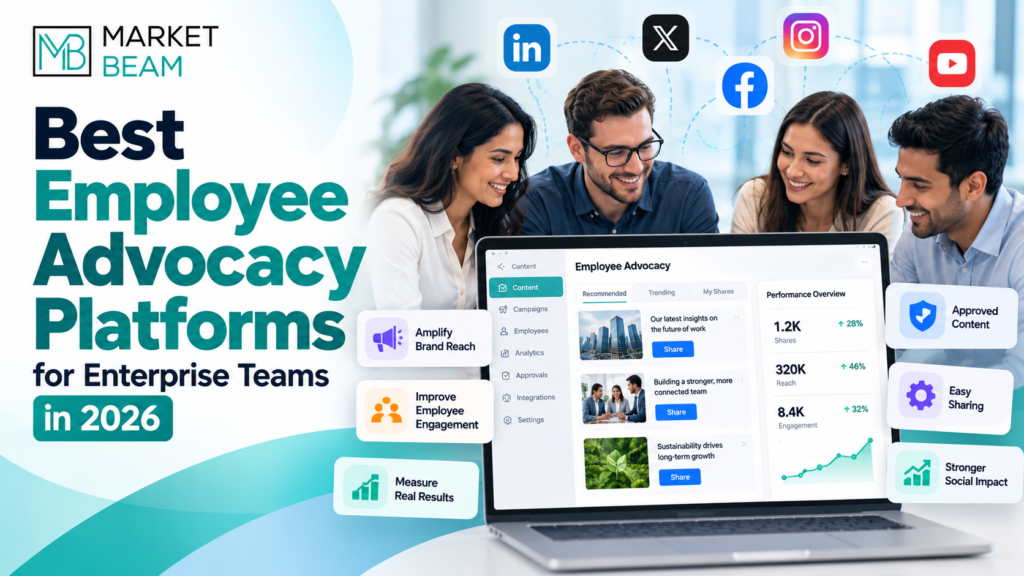
– Employee Amplification: Leverage employees’ social networks to expand reach and drive organic engagement. This feature allows employees to easily share approved content with just one click.
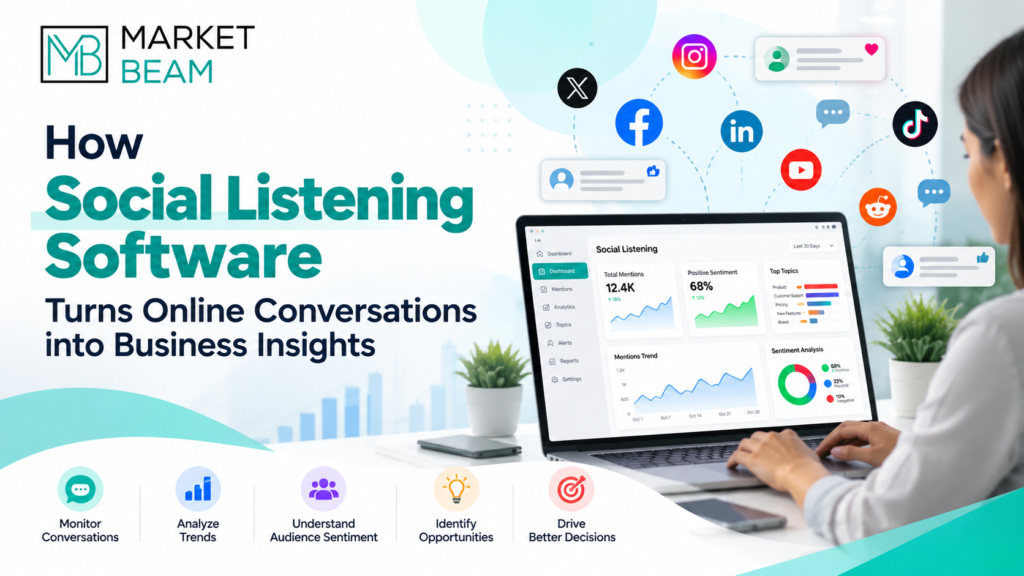
– Real-Time Analytics: Gain insights into the performance of social media posts and campaigns with detailed analytics, helping to measure the success of your strategy.
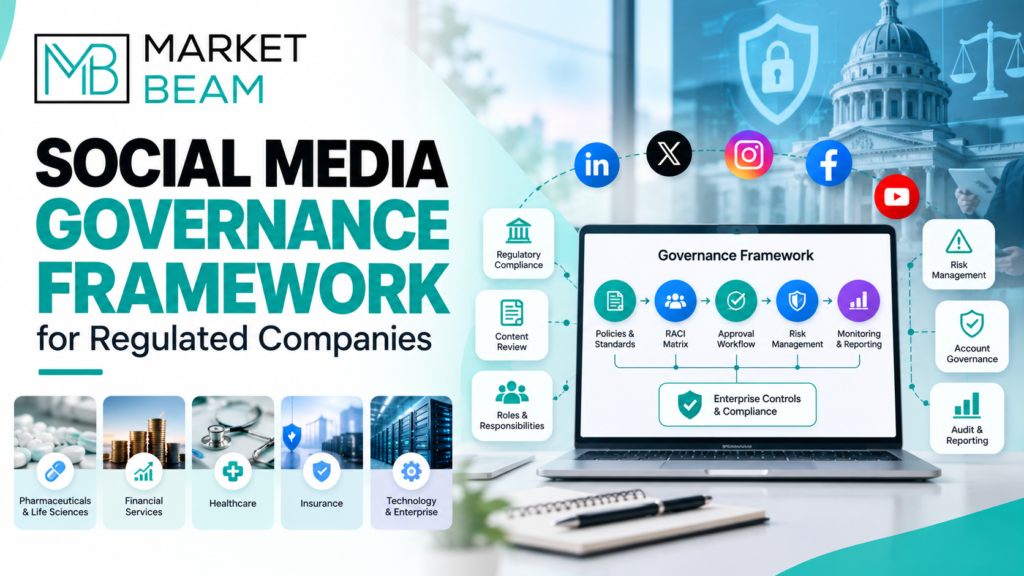
– Regulatory Compliance: Tailored for industries that must follow strict regulatory guidelines, MarketBeam ensures that all social media content remains compliant with industry regulations.
– Integration with CRM Systems: Seamlessly integrates with popular CRM systems like HubSpot and Salesforce, enabling real-time tracking of social media engagement with leads and customers.
– Ease of Use: The software is so efficient and user-friendly that even non-technical individuals can manage it without the need for a dedicated marketer. The intuitive interface allows businesses to handle their social media operations efficiently.
– Pros:
– Tailored for regulated industries such as life sciences, fintech, medtech, and security businesses.
– Ensures compliance with industry regulations, crucial for regulated sectors.
– Employee advocacy tools that significantly boost organic reach.
– Real-time CRM integration and analytics.
– User-friendly interface, making it accessible to non-technical users without the need for a dedicated marketer.
– Pricing: Starting at $99/month, MarketBeam provides affordable options for businesses of all sizes, with custom pricing available based on specific needs and the number of users or social accounts.
Social Media Conferences 2024
Attending social media conferences is an excellent way to stay ahead of the curve, gain insights from industry leaders, and learn about emerging trends and tools in the digital marketing landscape. These events provide an opportunity for networking, gaining practical knowledge, and discovering actionable strategies to improve your social media marketing efforts.
One of the most notable events in 2024 is Social Media Marketing World 2024, which gathers top industry experts, influencers, and marketers from around the world. Here’s why attending such conferences is invaluable for businesses:
– Stay Updated on Trends: Social media is constantly evolving. By attending these conferences, you’ll learn about the latest trends, algorithm updates, platform changes, and marketing techniques that can give your brand a competitive edge.
– Networking Opportunities: Conferences provide access to thought leaders, influencers, and peers in the industry. Building these connections can lead to valuable partnerships, collaborations, and growth opportunities for your business.
– Expert Insights: Learn from seasoned social media marketers and professionals who have successfully navigated complex challenges in the industry. You’ll gain insights into what’s working across platforms and industries, and how to apply these strategies to your own business.
– Discover New Tools: Many social media management and marketing tools release new features and updates throughout the year. Conferences often showcase the latest innovations, allowing you to see demos and understand how these tools can enhance your social media strategy.
– Actionable Takeaways: You’ll leave the conference with actionable strategies and ideas to immediately implement in your business. Whether it’s improving content creation, engagement tactics, or paid advertising strategies, these insights will help you elevate your social media presence.
Key Social Media Conferences to Consider in 2024:
- Social Media Marketing World 2024 (San Diego, CA)
– One of the largest social media conferences in the world, offering sessions on content strategy, analytics, paid advertising, and social media trends across all major platforms.
- VidCon 2024 (Anaheim, CA)
– Focuses primarily on video marketing, a crucial aspect of social media today. It’s an excellent opportunity to learn from top creators and marketers about video strategies on platforms like YouTube, Instagram, and TikTok.
- Content Marketing World 2024 (Cleveland, OH)
– While not exclusively focused on social media, this conference covers all aspects of content marketing, which is integral to a successful social media strategy. Learn how to create, distribute, and promote content effectively on social platforms.
- Inbound 2024 (Boston, MA)
– A marketing and sales conference that covers social media as part of its broader agenda. It’s ideal for learning how to integrate social media marketing with your overall inbound marketing strategy.
Conclusion: Making the Most of Social Media Marketing
Social media has become one of the most powerful and accessible tools for businesses to expand their reach, build their brand, and engage with their target audience. By leveraging social platforms effectively, businesses can create meaningful connections, boost visibility, and drive conversions.
Throughout this guide, we’ve explored key elements of a successful social media strategy, including the importance of hashtags, choosing the right platforms, crafting high-quality content, and utilizing tools like MarketBeam to streamline and enhance your social media management. With the right approach, you can turn social media into a vital channel for business growth and brand loyalty.
Key takeaways include:
– Understanding the Power of Hashtags: Hashtags increase your content’s visibility, allowing it to reach a broader, more targeted audience.
– Selecting the Right Platforms: Tailoring your content to the appropriate social media channels ensures that your marketing efforts are effective and reach the right people.
– Creating Consistent, High-Quality Content: Consistency is critical for keeping your audience engaged, while high-quality content builds trust and credibility.
– Leveraging Social Media Tools: Tools like MarketBeam simplify your social media management, provide valuable analytics, and allow even non-technical users to manage complex strategies.
Social media is dynamic, and staying adaptable is key to long-term success. Whether you’re outsourcing to a social media marketing agency, using powerful tools like MarketBeam, or creating a full-fledged in-house strategy, the opportunities for growth are endless.
Start optimizing your social media marketing today with MarketBeam—a powerful, user-friendly platform tailored for regulated industries like life sciences, fintech, medtech, and security. With its robust employee amplification, real-time analytics, and compliance features, MarketBeam allows you to effortlessly manage and elevate your brand’s social media presence, even without a dedicated marketer. Consistency, automation, and data-driven strategies will help you build a strong and impactful social media presence that drives real business results.
Get started with MarketBeam and take your social media marketing to the next level!