Fintech marketing today is no longer just about growth—it’s about building trust in financial marketing while navigating strict regulatory expectations. As digital adoption accelerates, social media growth and digital marketing in regulated finance create new opportunities—but also introduce serious compliance challenges. Financial brands must now balance innovation with governance, addressing trust and regulatory marketing concerns while ensuring every campaign meets industry standards. Companies that successfully overcome compliance challenges in fintech marketing are able to engage customers confidently, scale outreach, and drive conversions without risking reputational or regulatory setbacks.
Fintech companies operate in a highly regulated and competitive landscape, where building trust and driving conversions are essential for growth. With social media and digital marketing playing a pivotal role, fintech brands face unique challenges, especially when it comes to compliance with regulations like FINRA and SEC. This blog explores five proven strategies to navigate these challenges and highlights how fintech companies of all sizes can thrive using the right approach.

1. Understanding the Regulatory Landscape for Fintech Marketing
One of the biggest hurdles in fintech digital marketing is adhering to stringent regulations that govern financial communication. U.S. regulatory bodies like FINRA and SEC require fintech companies to ensure their advertising is clear, fair, and not misleading. Social media posts, email campaigns, and ads must often include disclosures, disclaimers, and records to comply with these rules.
For small and medium-sized fintech companies, these requirements can seem daunting. Tools like fintech digital marketing platforms can simplify compliance by automating record-keeping and monitoring. Larger firms can integrate enterprise-level solutions to manage complex campaigns while adhering to regulatory guidelines.
2. Leveraging Social Media for Compliance and Engagement
Social media is a powerful tool for fintech companies to engage with their audience, build credibility, and drive conversions. However, financial regulations impose certain restrictions:
- Posts must include clear disclosures about risks.
- Claims of guaranteed returns or exaggerated promises are prohibited.
- Records of all communications must be maintained.
To navigate these challenges, fintech companies can use fintech content tools to create engaging yet compliant content. Partnering with a fintech digital agency can help small companies craft posts that strike a balance between creativity and regulatory adherence. For larger firms, automation tools can streamline compliance across high-volume campaigns.

Why Compliance-First Marketing Is Critical for Fintech Growth
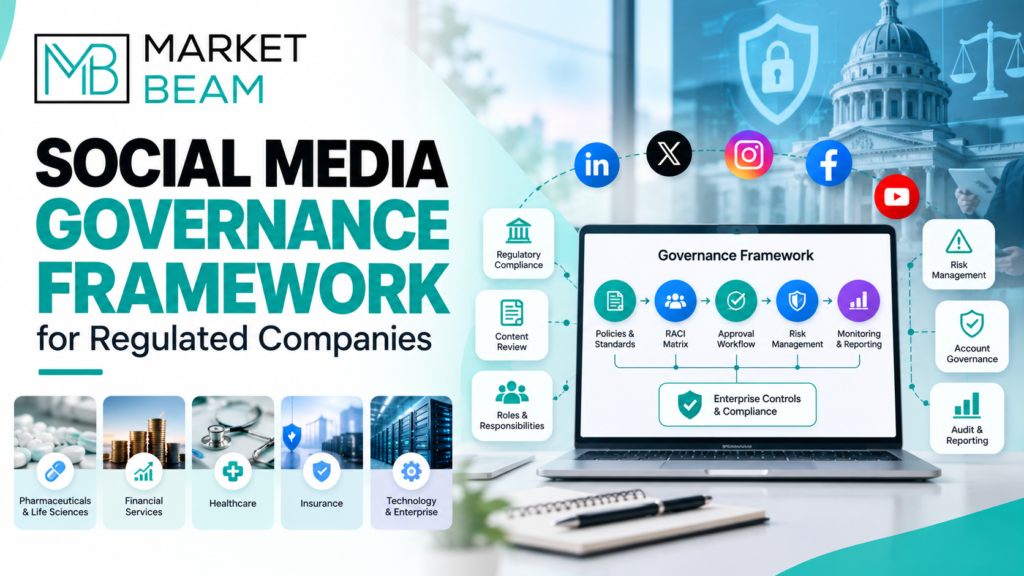
Fintech companies operate in one of the most heavily regulated digital environments, where marketing communications must balance innovation with strict governance. Regulatory bodies such as FINRA and the SEC impose clear communication rules to ensure financial promotions remain fair, transparent, and not misleading. As fintech brands increase their presence across digital and social platforms, the risk of non-compliant messaging grows significantly.
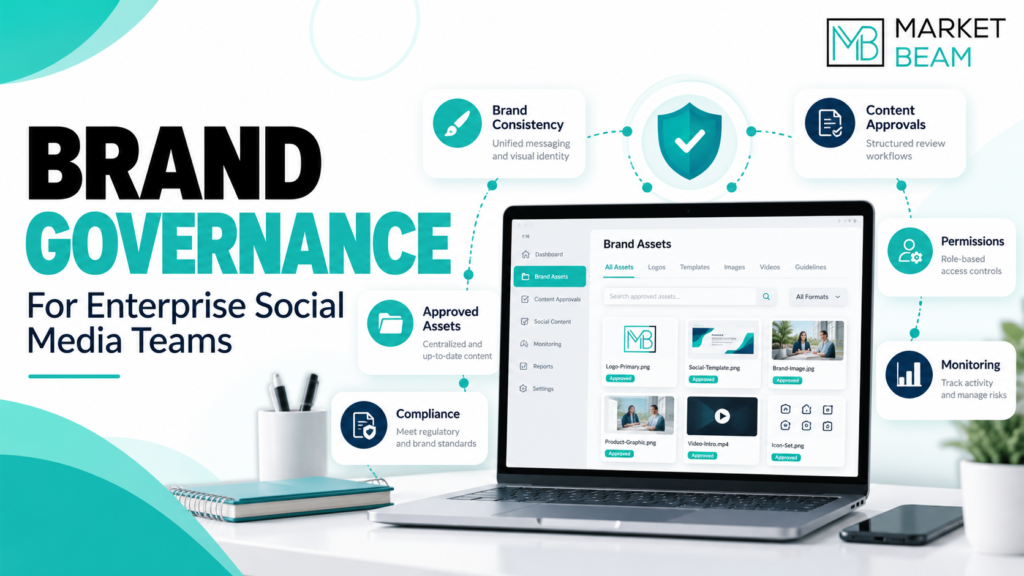
Social media, in particular, creates new exposure risks. A single unapproved post, influencer partnership, or employee share can trigger regulatory scrutiny, customer trust loss, or financial penalties. This makes approval workflows essential, ensuring that marketing, legal, and compliance teams review content before publishing.
Modern fintech marketing therefore requires regulated publishing environments where campaigns move through structured approval processes rather than ad-hoc posting. Every piece of communication should also generate audit trails, allowing firms to demonstrate regulatory adherence during inspections or audits.
Organizations that adopt a compliance-first approach do not see regulation as a barrier. Instead, they turn governance into a competitive advantage by publishing faster, safer, and at scale—building trust while maintaining operational efficiency.
3. Personalization Through Fintech Content Marketing
In the fintech industry, personalization is key to building trust with customers. Creating tailored content that addresses specific customer needs can help establish a deeper connection.
- For Small Companies: Use targeted email campaigns and customer-focused blog posts to educate your audience on financial products.
- For Medium Companies: Invest in fintech content marketing tools to create dynamic website content and personalized experiences.
- For Large Companies: Implement advanced CRM systems and digital advertising for fintech to drive large-scale, customized campaigns.
Fintech companies that focus on content marketing can effectively demonstrate their expertise while addressing customer pain points. Working with a fintech content marketing agency can further enhance this strategy.
4. Balancing Creativity with Compliance
Maintaining creativity while adhering to strict compliance rules is a common challenge for fintech companies. The key is to craft content that educates and informs without crossing regulatory boundaries.
- Infographics and Videos: Simplify complex financial topics using visually appealing content.
- Educational Campaigns: Share insights about financial literacy, regulatory practices, and product benefits.
- Interactive Formats: Conduct Q&A sessions or webinars to engage audiences in a compliant manner.
Companies debating between a fintech marketing agency vs fintech marketing tool can consider their scale and in-house expertise to determine the best option for maintaining creative, compliant campaigns.
5. Technology as a Game-Changer in Fintech Marketing
Automation and advanced tools have transformed digital marketing for fintech companies, making it easier to manage compliance and improve efficiency.
- For Small Companies: Affordable tools like MarketBeam can help schedule posts and ensure compliance.
- For Medium Companies: Mid-tier tools with compliance monitoring and analytics can streamline workflows.
- For Large Companies: Enterprise-grade platforms with AI-driven compliance checks can handle high-volume, multi-platform campaigns seamlessly.
By incorporating the right technology, fintech companies can save time, reduce risks, and focus on driving results.

Social Media Marketing Builds Trust Faster Than Ads in Fintech
In fintech, trust determines whether prospects convert or disengage. While paid advertising can generate visibility, social media marketing builds credibility faster by enabling consistent, transparent communication between financial brands and their audiences. Platforms like LinkedIn have become central to fintech growth, allowing firms to demonstrate expertise, share insights, and build long-term authority.
LinkedIn authority building plays a major role in modern fintech marketing. When executives and subject matter experts share market insights, compliance updates, and financial education content, brands establish credibility beyond traditional advertising. This form of executive branding humanizes financial institutions and creates stronger audience relationships.
Employee advocacy further amplifies this impact. Advisors, consultants, and internal teams sharing approved content extend reach into trusted professional networks, helping fintech companies engage prospects organically.
However, success requires compliant publishing workflows. Financial promotions must align with FINRA and SEC regulations, ensuring all social posts go through structured approval processes before being shared. Firms that combine organic content strategies with paid amplification see stronger trust outcomes compared to relying solely on advertisements, as audiences engage more readily with authentic, educational content than promotional messaging.
Employee Advocacy Drives Fintech Brand Trust
Employee advocacy has emerged as one of fintech’s most powerful growth channels because audiences trust people more than brands. When advisors, relationship managers, and internal teams share company insights and educational content, messages reach potential customers through trusted professional relationships rather than paid promotions.
To scale advocacy safely, fintech companies must implement compliant advocacy programs where employees only share pre-approved content. This ensures communications meet regulatory requirements while empowering teams to become brand ambassadors without compliance risks.
Beyond brand visibility, advocacy contributes directly to pipeline growth. Shared content generates inbound conversations, webinar registrations, and sales opportunities, often outperforming paid campaigns in cost efficiency. Firms that enable employees to participate in digital outreach while maintaining governance frameworks achieve stronger engagement and measurable business impact.
Why MarketBeam is the Best Choice for Fintech Companies
MarketBeam offers a comprehensive solution tailored to the unique challenges of fintech marketing.
- For small companies, MarketBeam provides affordable and user-friendly tools to manage campaigns and ensure compliance with minimal resources.
- For medium-sized companies, it delivers scalable automation features, real-time analytics, and employee amplification to amplify brand reach effectively.
- For large companies, MarketBeam integrates seamlessly with existing systems, offering advanced compliance tools to manage large-scale campaigns across multiple channels.
With features like automated compliance checks, social media scheduling, and powerful analytics, MarketBeam is designed to help fintech companies of all sizes navigate regulatory challenges while driving conversions and building trust.
Conclusion
The fintech industry demands a strategic approach to digital marketing, with a focus on compliance, creativity, and customer engagement. By leveraging the right tools and strategies, companies can overcome regulatory challenges, connect with their audience, and achieve sustainable growth.
Ready to simplify your fintech digital marketing? MarketBeam offers solutions designed for every stage of your growth. Explore how it can help your brand build trust and drive results.