
How Social Media is Transforming Healthcare
Social media has fundamentally changed the way healthcare providers, hospitals, and patients communicate. What started as platforms for casual interaction has now become vital tools for healthcare engagement, education, and patient outreach. Healthcare brands are leveraging social media not just to promote their services but also to build trust, educate their audience, and engage patients in real-time conversations.
Today, platforms like Facebook, Twitter, and LinkedIn enable hospitals to humanize their services, address patient concerns, and provide timely information. In an industry that relies on credibility and trust, social media allows healthcare providers to foster direct, transparent communication with current and potential patients.
Statistic/Fact:
With 80% of internet users searching for health-related information online, it’s clear that social media is an essential component of healthcare marketing strategies. As hospitals and healthcare organizations embrace social media, they can expand their reach, improve patient satisfaction, and enhance public health awareness.
The Role of Social Media in Hospitals: Case Studies and Examples
Social media has become a crucial tool for hospitals, allowing them to connect with patients, improve communication, and enhance brand trust. By maintaining active and informative social media profiles, hospitals can engage with their audience in a way that feels personal and accessible.
Case Study: Mayo Clinic on Twitter
Mayo Clinic, a world-renowned healthcare institution, has successfully harnessed the power of social media, particularly Twitter, to engage with patients and provide health education. With over 2 million followers, Mayo Clinic uses Twitter to share reliable health tips, updates on research, and patient stories. Their consistent, patient-centric content builds trust and promotes transparency. Additionally, by actively responding to patient inquiries and participating in conversations, Mayo Clinic demonstrates its commitment to patient care beyond clinical walls.

How Hospitals Use Social Media:
– Engaging Patients: Hospitals use social media platforms like Facebook, Twitter, and Instagram to share health tips, patient stories, and updates on services, making them more approachable to current and prospective patients.
– Promoting Services: Social media allows hospitals to showcase new services, highlight healthcare providers, and promote health campaigns. From wellness programs to new treatment options, social media provides a direct line of communication with the public.
– Building Trust: A strong social media presence helps build credibility and trust with patients. Hospitals can share patient success stories, highlight health campaigns, and provide answers to frequently asked questions in a transparent manner.
Showcasing the rise in hospital social media engagement over the past five years. For example:

– Increase in followers across platforms (Facebook, Twitter, Instagram).
– Growth in patient inquiries and engagement metrics (likes, comments, shares).
– Positive impact on brand perception and trust based on patient surveys.
Compliant Social Media Tools for Healthcare: Keeping It HIPAA-Friendly with MarketBeam
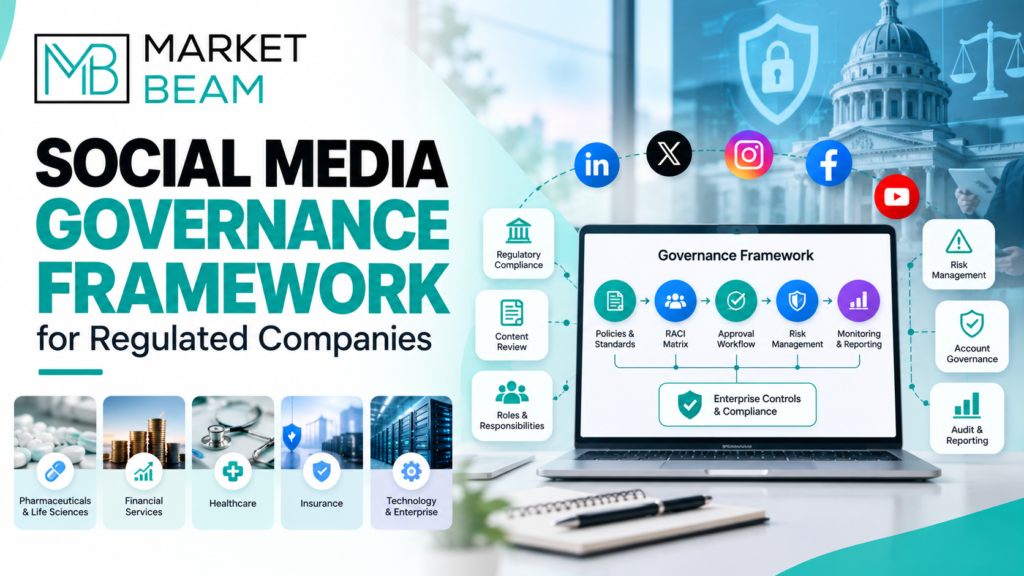
When it comes to social media in the healthcare industry, one of the biggest challenges is maintaining compliance with regulations like HIPAA. Healthcare organizations must ensure that patient privacy is protected and sensitive data is not exposed while engaging with their audiences on platforms like Facebook, Twitter, and LinkedIn. MarketBeam offers a seamless solution by providing a HIPAA-compliant platform that allows healthcare providers to engage effectively on social media while staying within regulatory boundaries.
HIPAA Compliance in Social Media:
Healthcare providers face unique risks when using social media, particularly when it comes to protecting patient information. With strict oversight of content creation and approval workflows, MarketBeam ensures that your healthcare organization can participate in social media conversations without compromising patient privacy or violating HIPAA.
Expert Insight:
“Using a compliant tool like MarketBeam has given us peace of mind. It helps streamline our social media efforts while ensuring that our posts and interactions meet HIPAA standards.”
— Sarah Thompson, Social Media Manager
How MarketBeam Ensures Compliance:
MarketBeam is specifically designed with regulated industries in mind, including healthcare. Here’s how it helps you remain HIPAA-compliant:
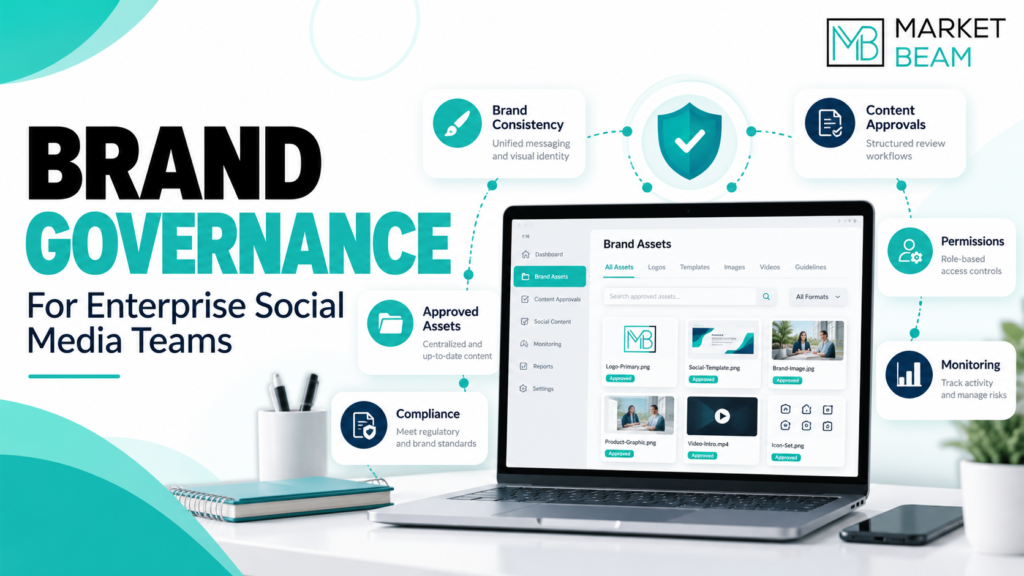
– Approval Workflows: All social content goes through a multi-layer approval process before being published, ensuring no protected health information (PHI) is shared without proper authorization.
– Audit Trails: MarketBeam provides detailed audit logs of all posts, edits, and interactions, so you can review your social media activities and ensure compliance.
– Secure Sharing: Employees can share pre-approved content directly from MarketBeam, reducing the risk of accidental data breaches or non-compliant posts.
How MarketBeam support Compliance:
– Checklist of How MarketBeam Supports HIPAA Compliance
– Multi-layer content approval workflows
– Secure social sharing for employees
– Detailed audit trails and reporting
– Real-time monitoring for non-compliant content
– Seamless integration with other compliance tools
MarketBeam allows healthcare providers to engage with patients and the public in a way that’s both impactful and secure, ensuring that your organization’s social media efforts align with both HIPAA regulations and your brand’s mission of providing trustworthy healthcare services.
Managing Social Media for Healthcare Providers with MarketBeam
Managing social media for healthcare providers involves navigating regulatory complexities, creating engaging content, and responding promptly to patient interactions—all while maintaining a focus on patient privacy and compliance. MarketBeam simplifies these challenges by offering a user-friendly platform tailored specifically for regulated industries like healthcare.
Expert Insight:
“MarketBeam has revolutionized our approach to social media management. Its intuitive interface allows our team to efficiently create, approve, and schedule content while ensuring we remain HIPAA-compliant. The ability for non-technical staff to handle social media tasks without the need for a dedicated marketer has been a game-changer for us.”
— Dr. Emily Carter, Director of Communications at Harmony Health Network
Practical Tips for Managing Healthcare Social Media with MarketBeam:
– Streamlined Content Creation and Approval:
– MarketBeam’s Solution: Utilize MarketBeam’s multi-level approval workflows to ensure all content meets compliance standards before publishing.
– Benefit: Reduces the risk of non-compliant posts and saves time by streamlining the approval process.
– Employee Advocacy Made Easy:
– MarketBeam’s Solution: Leverage MarketBeam’s employee amplification features to allow staff to share pre-approved content on their personal networks with just one click.
– Benefit: Expands your reach organically while maintaining control over the messaging and compliance.
– Real-Time Engagement and Monitoring:
– MarketBeam’s Solution: Use real-time notifications and monitoring tools to stay on top of patient comments and inquiries across all platforms.
– Benefit: Enhances patient satisfaction by allowing prompt responses, which is crucial in healthcare communication.
– Analytics and Insights:
– MarketBeam’s Solution: Access detailed analytics to track engagement, reach, and the effectiveness of your social media campaigns.
– Benefit: Data-driven insights help refine your strategy for better patient engagement and ROI.
– User-Friendly Interface:
– MarketBeam’s Solution: Intuitive design makes it accessible for non-technical users to manage social media activities effectively.
– Benefit: Eliminates the need for extensive training or a dedicated social media manager, optimizing resource allocation.
Pro-Tip Box:
“Responding to Patient Inquiries: How Fast is Fast Enough?”
In the digital age, patients expect timely responses to their questions and concerns. Aim to respond to patient inquiries on social media within one hour during business hours. MarketBeam’s real-time notifications ensure you never miss an interaction, helping you build trust and demonstrate your commitment to patient care.
Social Media Advocacy and Care Management: Engaging Patients Beyond Posts
Social media is no longer just about sharing updates; it has become a powerful platform for healthcare advocacy and patient care management. Health advocates, from caregivers to specialized medical professionals, are leveraging social media to engage with patient communities, raise awareness, and provide valuable support. The right social media strategy can empower patients, build communities, and drive better health outcomes.
Story: Empowering a Diabetes Support Group Through Social Media
One remarkable example comes from a health advocate working within the diabetes community. Through Facebook groups, Twitter chats, and Instagram stories, this advocate helped create a support network for diabetes patients. The community not only shares tips on managing the condition but also engages in discussions about new treatments and personal challenges. Through targeted social media campaigns, the advocate raised awareness about the importance of early detection and lifestyle changes, making a tangible impact on patients’ lives.
Strategies for Using Social Media to Promote Patient Advocacy:
– Create Educational Content:
Provide reliable health education materials that patients can easily access and share. Using infographics, blog posts, and videos, healthcare advocates can inform patients about managing their conditions, available treatments, and lifestyle tips.
– Build and Nurture Support Communities:
Utilize platforms like Facebook, LinkedIn, or Instagram to create communities where patients can connect with one another, share experiences, and seek advice. This sense of belonging encourages ongoing participation and engagement, improving mental well-being and adherence to treatment.
– Leverage Influencers and Patient Stories:
Sharing real-life patient stories or collaborating with influencers in the healthcare space can humanize your message. Authentic voices are more likely to resonate with patients and foster trust.
– Host Webinars and Live Q&A Sessions:
Organize live Q&A sessions with healthcare professionals or patient advocates to provide real-time support. Webinars on managing chronic illnesses, coping with mental health challenges, or understanding treatment options can enhance patient engagement.
– Utilize MarketBeam for Patient Advocacy:
MarketBeam’s employee advocacy feature allows health advocates to share curated, pre-approved educational content across their networks with ease. This enables advocates to focus on patient engagement while maintaining control over messaging.
Interactive Element:
Quiz: “What Type of Healthcare Advocate Should You Be on Social Media?”
Engage readers by including a short quiz that helps healthcare professionals or patient advocates determine their ideal advocacy approach based on their expertise and patient community. Example questions could include:
– What type of content do you feel most comfortable creating? (Videos, blog posts, infographics)
– How often do you engage with your patient community online?
– What is your primary goal in advocating for patients (education, emotional support, policy change)?
This quiz adds a personalized, interactive touch to the blog and helps the audience think about how they can best engage with patients through social media.
Healthcare Social Listening: What Patients are Saying (and Why It Matters)
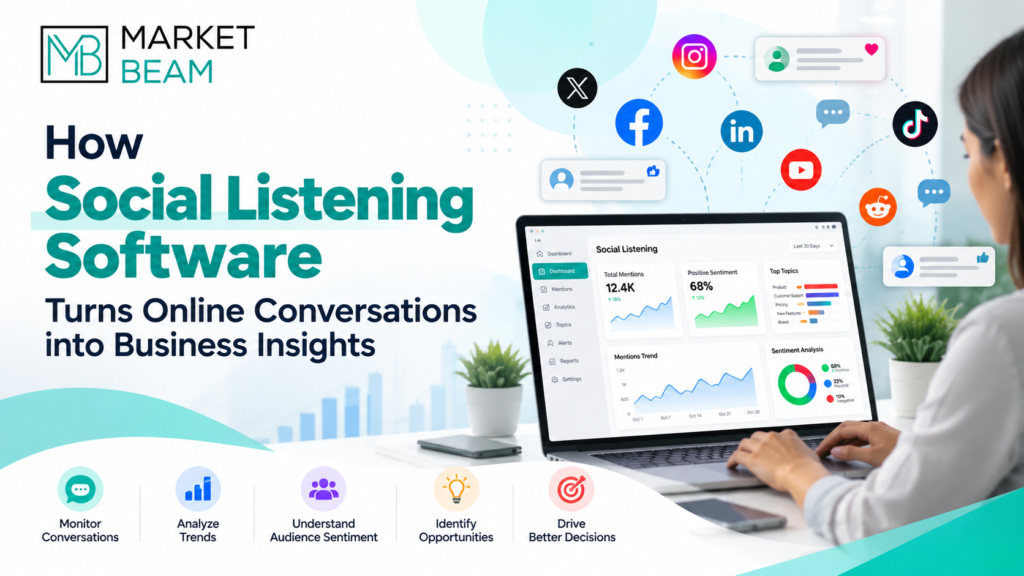
In today’s digitally connected world, patients are more vocal than ever about their healthcare experiences. Whether through social media posts, reviews, or online discussions, they are sharing their thoughts, concerns, and expectations. For healthcare providers, this wealth of information is invaluable—but only if it’s captured and analyzed effectively. This is where healthcare social listening comes into play. By leveraging social listening tools, healthcare providers can track patient sentiment, monitor emerging trends, and respond proactively to potential issues.
Case Study: How Social Listening Helped Hospitals to Respond to a Health Crisis
In 2023, Hospitals faced an unexpected health crisis. Social media platforms quickly became a hub of discussion among patients and the local community. Through healthcare social listening tools, the hospital’s social media team was able to detect rising concerns and misinformation about the situation in real-time. By tracking keywords and hashtags related to the crisis, they quickly identified the core issues troubling patients.
Armed with this insight, the hospital launched an emergency communication plan that included educational posts, a series of FAQs, and direct responses to patients on platforms like Facebook and Twitter. By listening to what patients were saying online, Hospital not only diffused panic but also improved patient trust during a critical time.
How Healthcare Providers Use Social Listening Tools:
– Tracking Patient Sentiment:
Social listening tools allow healthcare providers to monitor what patients are saying about their experiences, treatments, and overall satisfaction. This insight can help organizations adjust their services or address concerns before they escalate.
– Identifying Emerging Healthcare Trends:
Social media provides early indicators of healthcare trends, from new treatment preferences to rising concerns about specific health issues. Healthcare organizations can use this data to stay ahead of trends and anticipate patient needs.
– Addressing Patient Concerns Proactively:
Through social listening, healthcare providers can spot negative feedback or complaints early, allowing them to respond quickly and prevent reputational damage. Real-time engagement builds trust and shows that the organization is attentive to patient concerns.
Social Media Platform Best Practices for Healthcare
Social media platforms are a powerful tool for healthcare providers, offering unique opportunities to engage with patients, promote health services, and build brand authority. However, each platform requires a tailored approach to ensure that content is relevant, engaging, and compliant with industry regulations. From Facebook to LinkedIn and Instagram, here are the best practices to help healthcare providers get the most out of their social media presence.
Facebook Management for Healthcare Providers:
Facebook remains one of the most effective platforms for healthcare providers due to its broad user base and versatile features. Here’s how to use it effectively:
– Patient Education: Regularly post health tips, informative videos, and wellness content that resonates with your audience.
– Engagement: Respond quickly to patient inquiries and comments to build trust and foster a sense of community.
– Compliance: Always ensure your posts are HIPAA-compliant by avoiding patient-specific information and keeping posts professional.
LinkedIn Best Practices for Healthcare Providers:
LinkedIn is ideal for networking with healthcare professionals, sharing industry insights, and positioning your healthcare organization as a thought leader.
– Top Healthcare Hashtags on LinkedIn: Use relevant hashtags like HealthcareInnovation, DigitalHealth, and Nursing to reach specific audiences.
– Professional Development: Share content related to healthcare trends, employee stories, and staff achievements to build your professional credibility.
– Networking: Connect with healthcare influencers and professionals to stay updated on industry news and developments.
Instagram for Healthcare Providers:
Instagram’s visual focus makes it an excellent platform for storytelling and humanizing your healthcare brand.
– Visual Storytelling: Post high-quality images of your healthcare team, behind-the-scenes glimpses of your facility, and patient testimonials (with consent).
– Instagram Stories: Use Stories to showcase daily operations, staff interactions, and wellness tips in a more personal and engaging way.
– Hashtag Strategy: Research and use hashtags like HealthcareHeroes, HealthTips, and WellnessJourney to boost your visibility.
Multimedia Healthcare Strategies:
Using videos, infographics, and interactive media enhances engagement across all platforms.
– Videos: Share educational videos or patient testimonials to connect emotionally with your audience.
– Infographics: Simplify complex health information into easy-to-digest infographics, which can be shared across all platforms.
– Live Sessions: Host live Q&A sessions with healthcare professionals to answer patient questions and provide real-time interaction.
Infographic Suggestion:
– The Do’s and Don’ts of Facebook, LinkedIn, and Instagram for Healthcare Providers:
– Do: Post regularly, respond promptly, and ensure compliance.
– Don’t: Share patient-specific information or engage in unprofessional discussions.
Pro-Tip Box:
“How to Use Hashtags on LinkedIn to Reach Healthcare Professionals”
Using the right hashtags on LinkedIn is key to expanding your reach among healthcare professionals. Here are some tips:
– Research Popular Hashtags: Use tools like LinkedIn’s search feature or third-party platforms to identify trending hashtags in healthcare, such as NursingLeadership, HealthcareMarketing, and MedicalInnovation.
– Combine Niche and Broad Hashtags: Mix general hashtags like Healthcare with more niche terms like PatientAdvocacy to target both wide and specific audiences.
– Monitor Performance: Use LinkedIn analytics to track which hashtags generate the most engagement and refine your strategy accordingly.
Healthcare and Government Collaboration on Social Media
Government agencies and healthcare organizations are increasingly collaborating on social media to improve public health outcomes and promote health awareness. From large-scale public health campaigns to real-time crisis communication, social media has become a vital tool for spreading critical health information to the public. These collaborations allow for a unified and authoritative voice that builds trust and encourages public engagement.
Case Study: Government-Led Healthcare Social Media Initiatives
One of the most notable examples of government and healthcare collaboration on social media was the COVID-19 public health campaigns. During the pandemic, government agencies like the Centers for Disease Control and Prevention (CDC) and the World Health Organization (WHO) worked closely with hospitals, clinics, and healthcare providers to spread accurate information about the virus, safety protocols, and vaccination efforts. These campaigns utilized platforms like Twitter, Facebook, and Instagram to reach millions of people in real time.
For example, the CDC’s SleeveUp campaign encouraged Americans to get vaccinated by sharing testimonials and videos of people receiving their shots. This initiative not only raised awareness but also helped combat misinformation surrounding the vaccine.
How Government and Healthcare Brands Collaborate on Social Media:
– Unified Public Health Messaging:
Government agencies and healthcare providers often collaborate to ensure that public health messages are clear, consistent, and trusted. By coordinating social media efforts, they can amplify important health guidelines, vaccination campaigns, and crisis response measures.
– Combating Misinformation:
During public health crises, misinformation can spread quickly. Social media collaborations between healthcare providers and government bodies ensure that accurate and timely information reaches the public, helping to counteract false narratives.
– Promoting Preventive Healthcare:
Government-led social media initiatives often focus on preventive healthcare measures, such as flu vaccinations, screenings, and healthy lifestyle choices. Partnering with healthcare organizations allows these messages to be disseminated to a wider audience through trusted healthcare networks.
– Timeline of Healthcare Social Media Campaigns Driven by Government Efforts
– 2020: SleeveUp COVID-19 vaccination campaign (CDC)
– 2019: National Diabetes Awareness Month campaign (HHS)
– 2018: EndTheEpidemic campaign on opioid awareness (CDC)
– 2017: National Immunization Awareness Month (NIAM) campaigns on Twitter and Facebook
This timeline would showcase the evolution of healthcare-related social media campaigns led by government agencies, illustrating how these collaborations have grown and adapted over time.
Social Media Applications in Healthcare
The integration of social media into healthcare has opened up innovative ways for healthcare providers to engage with patients, deliver education, and improve the overall patient experience. Social media applications, along with mobile health apps, are increasingly being used to enhance communication between healthcare providers and patients, facilitate remote care, and offer personalized health information.
Innovative Uses of Social Media Applications for Patient Engagement and Education
– Real-Time Patient Interaction:
Social media platforms like Facebook and Instagram allow healthcare providers to host live Q&A sessions, webinars, and educational videos on topics such as preventive care, chronic disease management, and wellness tips. This real-time interaction helps build a direct line of communication between providers and patients, fostering trust and enhancing patient education.
– Virtual Support Communities:
Many healthcare organizations create private Facebook groups or LinkedIn communities where patients can connect, share their experiences, and support each other. These groups often provide valuable peer support, especially for those dealing with chronic illnesses or mental health challenges.
– Patient Education through Social Content:
Healthcare providers use social media apps to share health tips, infographics, and patient stories, helping patients better understand their health conditions. For example, Instagram Stories and TikTok videos can be used to deliver concise, engaging educational content that resonates with younger audiences.
Exploring Mobile Apps and Platforms that Integrate Social Media with Healthcare Services
– Patient-Provider Communication Apps:
Apps like HealthTap and Zocdoc allow patients to connect with healthcare providers for telemedicine consultations, schedule appointments, and receive real-time answers to their medical queries. Some of these apps also integrate social features, enabling patients to share their experiences or participate in virtual health discussions.
– Fitness and Wellness Tracking Apps with Social Features:
Apps such as Fitbit and MyFitnessPal not only track fitness goals but also integrate social elements by allowing users to connect with friends, join wellness challenges, and share progress on platforms like Facebook and Instagram. This promotes healthier habits through community support and peer motivation.
– Healthcare Advocacy through Social Media-Enabled Apps:
Apps like CareZone are designed for patients managing chronic conditions, allowing them to keep track of medications, doctor appointments, and health updates. These apps often integrate social media sharing features, allowing patients to connect with caregivers and share important updates with their support network.
– MarketBeam for Healthcare Providers:
MarketBeam offers a compliant solution for healthcare providers looking to use social media applications to engage with patients while maintaining privacy and security. With features like employee advocacy, content approval workflows, and real-time analytics, MarketBeam ensures that healthcare organizations can safely and effectively reach their audience across social media platforms.
Healthcare Social Media Trends and Message Integration
As healthcare continues to embrace digital transformation, social media platforms are playing an increasingly important role in how healthcare brands connect with patients and share critical health information. To stay ahead, healthcare organizations must keep up with the latest social media trends and adopt seamless message integration across platforms to enhance patient engagement and experience.
Latest Trends in Social Media for Healthcare
– Telemedicine and Real-Time Communication:
With the rise of telemedicine, patients are expecting real-time communication and updates from their healthcare providers through social media. Live video consultations, real-time Q&A sessions, and patient outreach via platforms like Facebook Live and Instagram Stories are becoming more common. This trend allows healthcare providers to extend care beyond traditional settings and offer timely advice remotely.
– Short-Form Video Content:
Short-form video platforms like TikTok and Instagram Reels are gaining traction in healthcare. Healthcare providers are using these platforms to create bite-sized, engaging content such as health tips, quick exercises, or information on managing chronic conditions. These videos are not only educational but also easily digestible, especially for younger audiences.
– Personalized Patient Engagement:
Patients today expect a more personalized experience, and social media allows healthcare brands to tailor their messaging based on patient demographics, preferences, and behaviors. By leveraging data and social listening tools, healthcare brands can deliver targeted messages, such as promoting services relevant to specific patient groups or sharing content on conditions they are likely to be concerned about.
– Influencer Partnerships in Healthcare:
Partnering with health influencers, medical professionals, and patient advocates is a growing trend. These influencers can help healthcare brands extend their reach by sharing authentic, trustworthy content, which resonates with their followers. Collaborating with influencers allows healthcare organizations to tap into established communities and build trust through third-party endorsements.
Message Integration Across Platforms for a Seamless Patient Experience
Healthcare brands are increasingly adopting integrated messaging strategies across multiple social media platforms to create a consistent and unified patient experience. Here’s how message integration trends are shaping healthcare communication:
– Unified Campaigns Across Channels:
Healthcare organizations are implementing cross-platform campaigns to ensure that patients receive consistent messages, regardless of where they interact with the brand. For instance, a campaign promoting flu vaccinations might simultaneously be posted on Facebook, Instagram, LinkedIn, and Twitter, ensuring all touchpoints are covered with the same messaging but tailored to the audience on each platform.
– Multi-Channel Patient Support:
Integrated social media strategies allow healthcare providers to offer patient support across different platforms. Whether patients reach out via Facebook Messenger, Twitter DMs, or LinkedIn messages, a unified response system ensures they receive timely, accurate, and professional answers across all channels. This improves patient satisfaction and enhances trust.
– Brand Consistency Through Automated Tools:
Using tools like MarketBeam, healthcare providers can maintain brand consistency across all social media channels. MarketBeam’s content approval workflows and scheduling features enable healthcare organizations to create and distribute compliant, consistent messages that align with brand standards across multiple platforms. This ensures patients receive clear and cohesive communication, regardless of the platform they engage with.
– Leveraging Analytics for Message Refinement:
Social media analytics tools help healthcare brands monitor the effectiveness of their messaging across platforms. By analyzing patient engagement, feedback, and sentiment, healthcare organizations can refine their messaging strategies to better meet patient needs and preferences. Integrated analytics also provide insights into which channels are performing best, helping brands allocate resources efficiently.
Research, Data, and Analytics: Measuring Social Media Impact in Healthcare
The use of social media in healthcare goes beyond merely posting updates—it’s about tracking, analyzing, and leveraging data to make informed decisions that improve patient outcomes. Research and analytics are critical in understanding the true impact of healthcare social media efforts, helping providers adjust strategies based on patient behavior, engagement, and feedback. By analyzing key metrics, healthcare organizations can refine their messaging, increase engagement, and ultimately drive better health outcomes.
Data Focus: Findings from Healthcare Social Media Research
Recent studies have shown that social media has a profound effect on patient decisions and healthcare outcomes:
– Patient Engagement: Research indicates that healthcare organizations with active social media presence see a 30% higher engagement rate with their patients. Patients are more likely to interact with healthcare providers, seek information, and trust recommendations shared on platforms like Facebook and Instagram.
– Influence on Health Decisions: 60% of patients say they trust social media content from healthcare professionals, and 45% of patients have used social media to make decisions about their healthcare provider or treatment options. This highlights the importance of credible and engaging content.
– Patient Satisfaction and Trust: Hospitals and clinics that regularly engage with patients via social media report higher patient satisfaction scores. Patients appreciate the transparency and accessibility provided through social media, which helps them feel more connected to their healthcare providers.
Social media analytics also show that educational content—such as infographics, patient success stories, and video tutorials—tends to generate the highest engagement, leading to increased patient awareness and better health literacy.
Pro-Tip Box: “How to Use Social Media Analytics to Improve Patient Outcomes”
Using social media analytics effectively can provide healthcare providers with critical insights into patient behavior and preferences. Here’s how to make the most of these insights:
– Track Engagement Rates:
Monitor likes, comments, shares, and click-through rates on posts to understand what type of content resonates with your audience. High engagement on educational posts may indicate a need for more health literacy content, while lower engagement may suggest the need for simpler messaging or more visual content.
– Analyze Patient Sentiment:
Use sentiment analysis tools to track how patients feel about your brand and services. Positive sentiment can reinforce successful initiatives, while negative sentiment provides an opportunity to address concerns and improve patient satisfaction.
– Measure Campaign Effectiveness:
For healthcare campaigns promoting wellness programs, screenings, or new services, track metrics such as reach, conversions, and ROI. Analyze the data to see if campaigns are leading to more inquiries, appointments, or patient conversions.
– Refine Targeting with Demographic Data:
Social media platforms like Facebook and LinkedIn provide detailed demographic data about your audience. Use this information to refine your messaging and target specific groups—such as patients with chronic conditions or caregivers—ensuring your content is relevant and actionable.
– Leverage Insights for Patient Education:
Review analytics to see which educational materials perform best and use these insights to craft more targeted campaigns. For example, if a series on managing diabetes receives high engagement, consider expanding that topic with video tutorials or Q&A sessions.
The Future of Social Media in Healthcare
Bold Prediction:
By 2030, it’s predicted that 90% of healthcare decisions will be influenced by social media. As patients increasingly turn to platforms like Facebook, Instagram, and LinkedIn for health information, reviews, and real-time interaction with providers, healthcare organizations must recognize the profound impact that social media will continue to have on patient decision-making.
Recap of Key Strategies, Case Studies, and Tools
Throughout this blog, we’ve explored how healthcare providers can leverage social media to improve patient engagement, trust, and outcomes. From real-time patient interaction and education to healthcare social listening and compliant social media management, these strategies have shown that a strong social media presence is no longer optional for healthcare—it’s essential.
Key Takeaways:
– Social Media Engagement: Building trust and providing patient education through proactive and engaging content.
– Compliance: Maintaining HIPAA compliance with tools like MarketBeam that offer approval workflows and secure sharing.
– Social Listening and Analytics: Using social listening tools to monitor patient sentiment and adjust strategies for improved patient satisfaction.
– Platform-Specific Strategies: Tailoring content for different platforms like Facebook, LinkedIn, and Instagram to maximize reach and engagement.
– Collaboration: Working alongside government initiatives to share accurate health information and combat misinformation.
– Innovative Applications: Leveraging mobile apps and social media integrations to provide real-time care, personalized content, and patient support.
The Future of Social Media in Healthcare with MarketBeam
Bold Prediction:
By 2030, it’s predicted that 90% of healthcare decisions will be influenced by social media. Patients are increasingly turning to platforms like Facebook, LinkedIn, and Instagram for health information, reviews, and real-time interactions with healthcare providers. For healthcare organizations, this makes social media an indispensable tool in shaping patient decisions and enhancing trust.
Recap of Key Strategies, Case Studies, and Tools
Throughout this blog, we’ve explored the powerful role that social media plays in healthcare, from improving patient engagement to building trust and driving positive outcomes. MarketBeam has emerged as the ideal solution for healthcare providers looking to maximize the potential of social media while maintaining compliance with industry regulations.
Key Takeaways:
– Social Media Engagement: With MarketBeam, healthcare organizations can deliver compliant, engaging content across platforms, providing patients with timely and valuable health information.
– HIPAA Compliance: MarketBeam’s multi-layer approval workflows ensure that all social media content adheres to HIPAA regulations, reducing the risk of non-compliant posts while empowering non-technical users to manage social media effectively.
– Social Listening and Analytics: MarketBeam’s built-in social listening and analytics tools allow healthcare providers to track patient sentiment, analyze engagement, and optimize content strategies to better meet patient needs.
– Platform-Specific Strategies: MarketBeam simplifies the process of posting tailored content for different platforms, ensuring that your healthcare brand maintains a cohesive and impactful presence on Facebook, LinkedIn, Instagram, and more.
– Employee Advocacy: MarketBeam’s employee advocacy feature allows healthcare staff to amplify your organization’s message by sharing pre-approved, compliant content, increasing your reach without compromising security or compliance.
– Collaboration: Healthcare organizations using MarketBeam can seamlessly collaborate with government health campaigns or industry partners to deliver accurate, timely public health information.
As the future of healthcare becomes more digital, the importance of an effective social media strategy cannot be overstated. Healthcare organizations must adopt proactive social media management solutions like MarketBeam to stay competitive, compliant, and connected with patients. MarketBeam’s user-friendly, compliance-focused platform ensures that healthcare providers can engage with their audience, provide valuable content, and improve patient outcomes—all while simplifying the complexities of regulatory compliance.
Your Next Steps with MarketBeam:
– Evaluate your current social media strategy and identify where MarketBeam can help improve compliance, efficiency, and engagement.
– Leverage MarketBeam’s approval workflows, real-time analytics, and employee advocacy tools to create a more dynamic and responsive social media presence.
– Use social listening tools to understand patient sentiment and adjust your content strategies for maximum impact.
– Commit to creating valuable, compliant content that resonates with patients and healthcare professionals alike.
The future of healthcare is social, and with MarketBeam, you can confidently lead the way in providing exceptional patient care while staying ahead in the digital landscape.