Introduction
Organizations operating in regulated industries face a unique challenge. They need to increase brand visibility, engage audiences, and strengthen digital presence while complying with strict regulatory requirements. Traditional social media strategies often struggle to achieve meaningful organic reach, making it difficult for companies to expand their influence through corporate channels alone.
This is where employee advocacy software for regulated industries has become a critical part of modern marketing and communications strategies. By enabling employees to share approved content through their professional networks, organizations can significantly increase reach while maintaining governance, compliance, and brand consistency.
For companies in pharmaceuticals, biotechnology, healthcare, financial services, insurance, and technology, advocacy platforms offer a scalable way to amplify messaging without sacrificing regulatory oversight.
Why Workforce Advocacy Is Growing
Consumers and business buyers increasingly trust people more than brands. Messages shared by employees often receive greater visibility and engagement than content published directly from corporate accounts.
As social media algorithms prioritize personal interactions, organizations are discovering that employee-driven marketing can create stronger connections with audiences. Employees collectively possess networks that are often much larger than official company followings, creating a significant opportunity for growth.
Rather than relying entirely on paid promotion, businesses can use advocacy programs to increase visibility through authentic professional relationships.
The Challenges Facing Regulated Industries
Unlike many organizations, regulated businesses must carefully manage digital communications. Every social media post, comment, or shared asset may need to comply with industry regulations and internal policies.
Pharmaceutical companies must follow medical, legal, and regulatory requirements. Healthcare organizations must protect sensitive information. Financial institutions must comply with industry-specific advertising and disclosure standards.
Without proper controls, expanding employee participation on social media can introduce compliance risks.
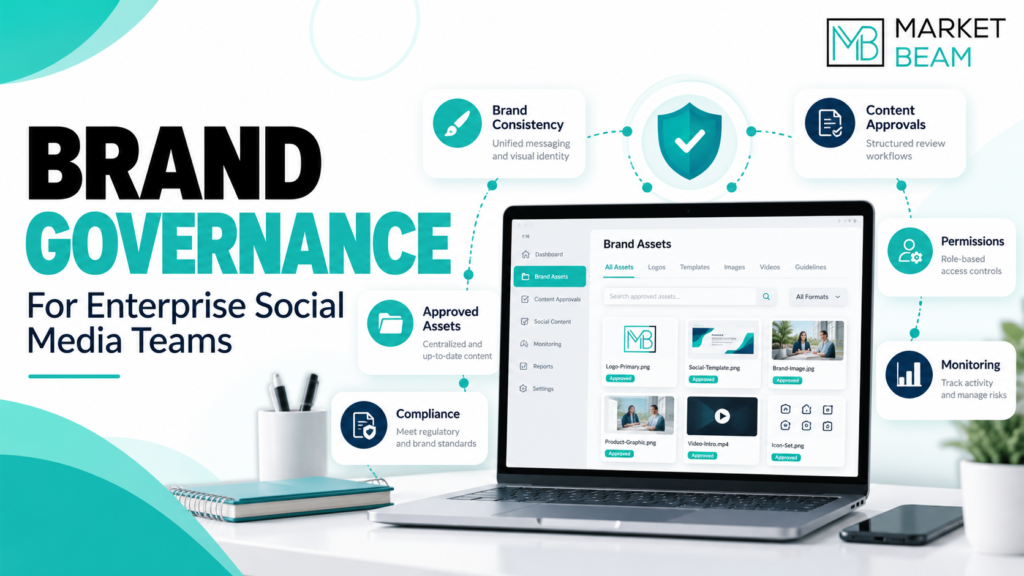
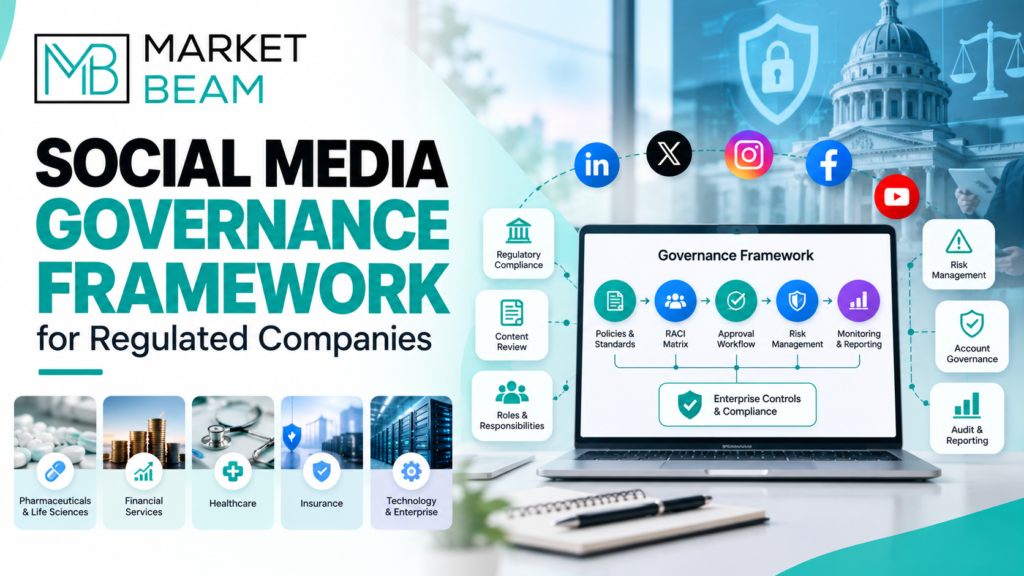
This is why organizations increasingly seek platforms that combine amplification capabilities with governance, approval workflows, archiving, and monitoring features.
What Is an Advocacy Platform?
An advocacy platform provides a centralized environment where approved content can be distributed to employees for sharing across social media networks.
Marketing and communications teams curate content, while employees can easily share relevant posts with their audiences. Advanced platforms also provide performance analytics, engagement tracking, compliance controls, and content recommendations.
The goal is to make content sharing simple while ensuring organizational standards are maintained.
Key Benefits of Advocacy Programs
Expanded Reach
Employees collectively represent a vast network of industry professionals, customers, prospects, and partners. Activating these networks allows organizations to significantly increase content visibility.
Greater Authenticity
People are more likely to engage with content shared by individuals they know and trust. Advocacy initiatives create authentic conversations that can strengthen relationships and improve engagement rates.
Stronger Employer Branding
Sharing company culture, achievements, and industry insights through employees helps organizations attract talent and strengthen their reputation in the marketplace.
Improved Social Selling
Sales teams can use approved content to establish credibility and nurture relationships with prospects. This helps support business development efforts without relying solely on traditional outreach.
Better Executive Visibility
Leadership teams can participate in amplification programs to strengthen thought leadership and industry influence.
Essential Features to Look For
When evaluating solutions, organizations should focus on more than content distribution.
Compliance Controls
Built-in governance helps ensure content aligns with internal policies and regulatory standards before it is shared.
Approval Workflows
Structured review processes allow marketing, legal, and compliance teams to collaborate efficiently.
Content Recommendations
Artificial intelligence can help identify relevant content opportunities and improve participation rates.
Analytics and Reporting
Organizations need visibility into engagement, reach, clicks, and overall program effectiveness.
Archiving Capabilities
Record retention is often required in regulated industries. Archiving ensures communications remain available for audits and reviews.
Role-Based Permissions
Different users require different levels of access. Permission controls help maintain oversight while supporting collaboration.
The Role of Compliance Technology
Modern advocacy solutions increasingly integrate compliance technologies to reduce risk.
These capabilities may include automated content screening, policy enforcement, approval workflows, audit logs, and communication archiving.
Artificial intelligence is also transforming compliance operations by identifying potential risks before content is distributed. This allows organizations to accelerate reviews while maintaining high standards.
For highly regulated sectors, combining amplification and compliance capabilities within a single platform can improve efficiency and reduce operational complexity.
Top Platforms to Consider in 2026
MarketBeam
MarketBeam provides a comprehensive solution designed for regulated industries. The platform combines advocacy, governance, publishing, compliance workflows, analytics, and archiving capabilities to support enterprise-scale programs.
Oktopost
Oktopost focuses on B2B engagement and social selling initiatives, making it a popular option among business-focused organizations.
Hootsuite Amplify
Hootsuite Amplify extends corporate messaging through employee networks while integrating with broader social media management capabilities.
Sprinklr Advocacy
Sprinklr supports large enterprise deployments and provides extensive governance capabilities across multiple digital channels.
EveryoneSocial
EveryoneSocial emphasizes employee engagement, advocacy, and sales enablement.
Sociabble
Sociabble combines communication, engagement, and advocacy features in a unified environment.
Building a Successful Program
Successful initiatives begin with clear objectives.
Organizations should define measurable goals such as increasing brand awareness, improving recruitment efforts, supporting sales activities, or expanding thought leadership.
Content quality remains critical. Employees are more likely to participate when content is informative, relevant, and professionally valuable.
Training and education also play an important role. Participants should understand expectations, compliance requirements, and best practices before becoming active contributors.
Regular performance analysis helps organizations optimize participation and improve long-term results.
Real-World Success in Regulated Environments
Many organizations in life sciences, healthcare, and financial services have moved away from manual content distribution methods and adopted structured advocacy platforms.
These organizations often report stronger engagement, broader reach, and improved participation from executives and employees.
By combining governance, approvals, analytics, and automation, companies can scale digital communications while maintaining regulatory oversight.
The most successful programs treat advocacy as a strategic business initiative rather than simply a marketing campaign.
The Future of Employee-Driven Marketing
Artificial intelligence will continue reshaping how organizations manage content distribution and compliance.
Future platforms will likely provide increasingly personalized content recommendations, predictive engagement insights, and automated policy enforcement.
Executive thought leadership, social selling, recruitment marketing, and brand-building initiatives will become even more closely integrated with advocacy programs.
As digital channels continue evolving, organizations that empower employees to become trusted voices will gain a significant competitive advantage.
About MarketBeam
MarketBeam is an enterprise social media management and advocacy platform built for regulated industries. The platform helps organizations amplify approved content, maintain governance standards, streamline compliance processes, and measure performance across social channels.
With integrated publishing, analytics, governance controls, compliance workflows, and archiving capabilities, MarketBeam enables organizations to scale digital engagement safely and efficiently.
Conclusion
Employee advocacy software for regulated industries has become an essential technology for organizations seeking to expand reach while maintaining compliance.
By combining content distribution, governance, analytics, compliance controls, and automation, modern platforms help organizations engage audiences more effectively without introducing unnecessary risk.
As companies continue investing in digital transformation, structured advocacy programs will play an increasingly important role in marketing, communications, recruitment, and thought leadership strategies.
Frequently Asked Questions
What is employee advocacy software for regulated industries?
It is a platform that enables employees to share approved company content while ensuring communications comply with industry regulations and organizational policies.
Which industries benefit most from advocacy platforms?
Pharmaceuticals, biotechnology, healthcare, financial services, insurance, and enterprise technology organizations benefit significantly from structured advocacy programs.
Why is compliance important in workforce amplification programs?
Compliance helps organizations reduce regulatory risk, maintain audit readiness, and ensure all communications align with legal and industry requirements.
How does an advocacy platform increase reach?
It expands content visibility through employee networks, which are often substantially larger than a company’s official social media audience.
What features should organizations prioritize?
Governance controls, approval workflows, analytics, archiving, compliance monitoring, content recommendations, and role-based permissions are among the most important capabilities.