The pharmaceutical industry relies heavily on digital communication to educate healthcare professionals, engage patients, and promote approved therapies. Social media platforms, websites, webinars, and digital advertising have become essential marketing channels, allowing organizations to reach audiences quickly and at scale. However, these opportunities also come with significant regulatory responsibilities. One of the most important compliance topics for pharmaceutical marketers is understanding FDA warning letters pharma and the valuable lessons they provide for compliant digital communications.
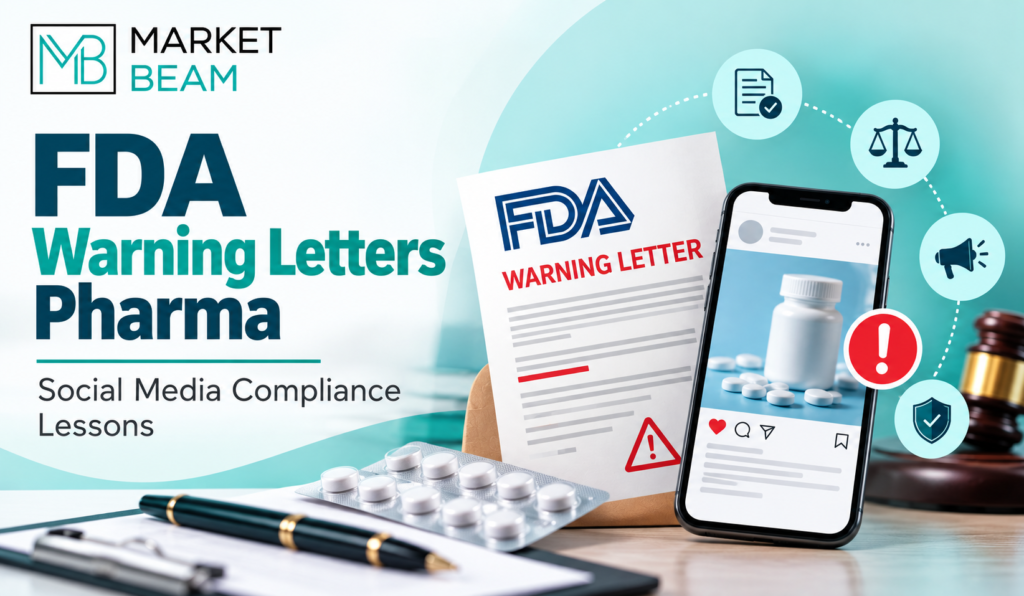
FDA warning letters are issued when the U.S. Food and Drug Administration identifies promotional activities that violate regulatory requirements. These letters often highlight issues such as incomplete safety disclosures, unsupported efficacy claims, off-label promotion, or misleading advertising practices. Studying FDA warning letters pharma helps marketing, medical, legal, and regulatory teams understand common compliance pitfalls and implement stronger governance processes before promotional content reaches the public.
MarketBeam supports regulated organizations by providing enterprise-grade collaboration, approval workflows, content governance, and social media management that help reduce compliance risks while improving marketing efficiency.
What Are FDA Warning Letters?
FDA warning letters pharma are official enforcement communications issued by the FDA when pharmaceutical companies fail to comply with federal regulations governing promotional communications. These letters notify organizations that the agency has identified significant regulatory concerns and expects prompt corrective action.
A warning letter is more than a simple notification. It signals that the FDA believes promotional activities may mislead healthcare professionals or patients, omit important safety information, or violate other regulatory requirements. Organizations receiving these letters are generally expected to respond with detailed corrective plans and demonstrate how future compliance will be maintained.
For pharmaceutical marketers, reviewing FDA warning letters pharma provides practical insight into regulatory expectations and helps organizations strengthen internal compliance programs before similar issues occur.
Why FDA Warning Letters Matter
Every warning letter represents an opportunity to learn from real-world regulatory enforcement.
Organizations that understand FDA warning letters pharma gain valuable insight into how regulators evaluate promotional communications. Rather than relying solely on guidance documents, marketing teams can study actual enforcement actions to understand which promotional practices create the greatest compliance risks.
Warning letters also highlight the importance of strong collaboration between marketing, medical, legal, and regulatory (MLR) teams. Well-structured governance processes reduce the likelihood of publishing promotional materials that could trigger regulatory scrutiny.
Beyond avoiding enforcement actions, consistent compliance strengthens organizational credibility, protects brand reputation, and builds trust with healthcare professionals, patients, and business partners.
Understanding FDA Enforcement
FDA enforcement plays a critical role in protecting public health by ensuring pharmaceutical communications remain truthful, balanced, and scientifically supported.
The FDA monitors promotional materials across multiple communication channels, including websites, digital advertisements, email campaigns, printed materials, webinars, videos, and social media. When promotional content violates applicable regulations, the agency may issue untitled letters, warning letters, or pursue additional enforcement actions depending on the severity of the issue.
Understanding FDA enforcement helps organizations appreciate the importance of proactive compliance rather than reacting only after regulatory concerns arise.
Companies that implement structured governance processes are better positioned to identify risks before promotional materials are published.
Common Promotional Violations
Many promotional violations identified in FDA warning letters involve similar patterns that organizations can proactively address.
One common issue is presenting product benefits without providing adequate safety information. Promotional communications that emphasize efficacy while minimizing risks may create an inaccurate impression of a product’s overall profile.
Another frequent violation involves promoting products for uses that have not received regulatory approval. Even unintended statements suggesting off-label use may create compliance concerns.
Organizations also encounter issues related to incomplete clinical data, unsupported comparative claims, exaggerated treatment outcomes, and inconsistent messaging across communication channels.
Studying these promotional violations enables pharmaceutical marketers to strengthen review processes and improve the quality of promotional communications before publication.
The Risk of Misleading Claims
One of the most significant reasons organizations receive FDA warning letters pharma is the use of misleading claims.
Misleading claims do not necessarily involve false information. A statement may be technically accurate yet still be considered misleading if it omits important context, exaggerates benefits, minimizes risks, or presents clinical evidence selectively.
For example, highlighting favorable study results without discussing important safety limitations may create an unbalanced promotional message. Similarly, suggesting superior effectiveness without adequate scientific support may mislead healthcare professionals.
Marketing teams should work closely with medical reviewers to verify that every promotional statement accurately reflects approved labeling and available clinical evidence.
Maintaining accurate, balanced messaging significantly reduces the likelihood of regulatory concerns.
Common FDA Warning Letter Findings
| Compliance Issue | Potential Regulatory Concern | Recommended Practice |
| Incomplete Risk Disclosure | Benefits outweigh visible risks | Present balanced benefit and safety information |
| Misleading Claims | Unsupported or exaggerated statements | Validate claims through medical and regulatory review |
| Off-Label Promotion | Promoting unapproved uses | Limit communications to approved indications |
| Inconsistent Messaging | Different claims across channels | Standardize promotional content |
| Missing Medical Review | Scientific inaccuracies | Require formal MLR approval |
| Poor Documentation | Limited audit readiness | Maintain centralized compliance records |
Lessons Learned from FDA Warning Letters
Reviewing FDA warning letters pharma reveals consistent lessons that apply across pharmaceutical marketing organizations.
First, compliance should begin during campaign planning rather than after creative assets are completed. Marketing teams should involve medical, legal, and regulatory reviewers early in the development process to identify potential issues before content enters production.
Second, organizations benefit from standardized approval workflows that ensure every promotional communication receives consistent review. Centralized governance reduces the risk of inconsistent messaging while improving documentation and accountability.
Third, ongoing monitoring is just as important as pre-publication review. Promotional content should be periodically evaluated after publication to ensure that updates to product labeling, clinical evidence, or regulatory expectations are reflected in active campaigns.
Finally, organizations should view FDA warning letters pharma as educational resources. Each enforcement action provides valuable insight into regulatory priorities and highlights opportunities to improve internal compliance processes.
By incorporating these lessons into daily marketing operations, pharmaceutical companies can strengthen governance, improve collaboration, and reduce the likelihood of future regulatory issues.
Corrective Action: Responding to Compliance Issues Effectively
Receiving an FDA warning letter does not necessarily end a company’s marketing activities, but it does require immediate attention and a structured response. Effective corrective action demonstrates an organization’s commitment to addressing compliance concerns while preventing similar issues in future campaigns.
The first step is conducting a comprehensive review of the promotional materials identified by the FDA. Marketing, medical, legal, and regulatory teams should work together to determine why the issue occurred and whether similar content exists across other channels.
Organizations should then suspend or update affected promotional materials where appropriate, revise internal review procedures, and provide additional compliance training to employees involved in content creation and approval.
A successful corrective action plan should also include stronger documentation practices, standardized approval workflows, and regular compliance audits. These measures not only address immediate regulatory concerns but also strengthen long-term governance across the organization.
Learning from FDA warning letters pharma enables businesses to continuously improve their promotional review processes rather than treating compliance as a one-time activity.
Building a Pharmaceutical Marketing Compliance Workflow
Effective pharmaceutical marketing compliance depends on structured processes that support every stage of the promotional content lifecycle.
The workflow should begin with campaign planning, where marketing teams define objectives, messaging, and target audiences while considering applicable regulatory requirements. Content creators then develop promotional materials based on approved product labeling and scientific evidence.
Before publication, every promotional asset should pass through a structured Medical, Legal, and Regulatory (MLR) review process. Medical reviewers verify scientific accuracy, legal teams assess regulatory obligations, and regulatory specialists evaluate compliance with FDA requirements.
After approval, organizations should publish only the latest approved versions of promotional content while maintaining complete records of reviews, revisions, and approvals. Continuous monitoring ensures published content remains consistent with current product labeling and regulatory expectations.
A well-designed pharmaceutical marketing compliance workflow minimizes operational delays while reducing the likelihood of promotional violations and future enforcement actions.
Strengthening Compliance Through Technology
Managing modern pharmaceutical marketing campaigns manually is increasingly difficult. Organizations often oversee hundreds of promotional assets across websites, email campaigns, webinars, paid advertising, and social media platforms.
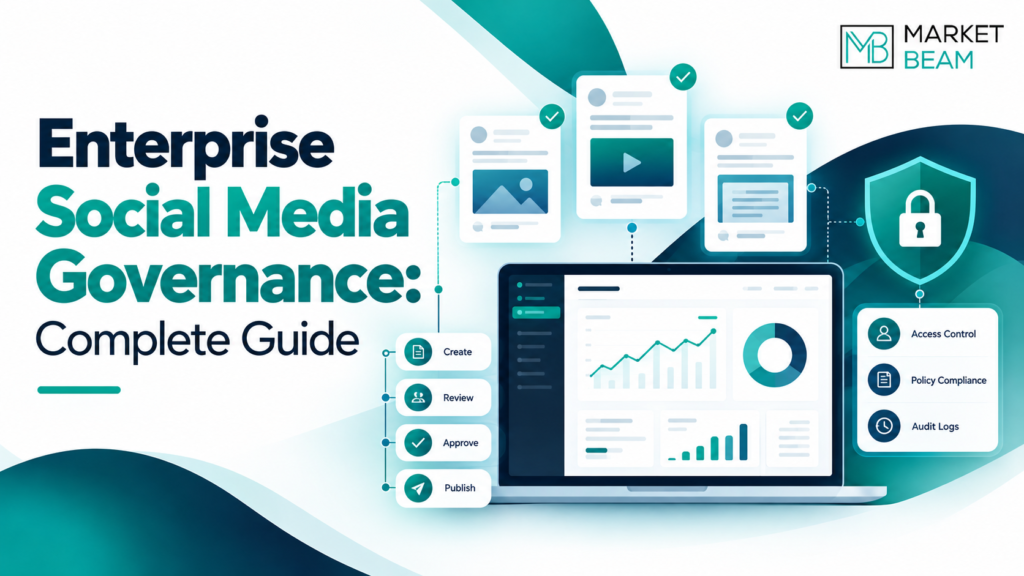
Enterprise technology helps regulated organizations centralize governance while improving collaboration across marketing, medical, legal, and regulatory teams.
Workflow automation routes promotional content through predefined review stages, reducing administrative burden while maintaining approval consistency. Centralized document management ensures that employees always work from current, approved versions of promotional materials.
Technology also supports audit readiness by maintaining complete approval histories, version tracking, and documentation that may be needed during regulatory reviews.
By combining standardized governance with intelligent automation, organizations can proactively reduce the compliance risks highlighted in FDA warning letters pharma.
Best Practices to Prevent FDA Warning Letters
| Best Practice | Compliance Benefit |
| Standardize MLR review workflows | Reduces inconsistent promotional messaging |
| Validate all promotional claims | Prevents misleading claims |
| Present complete safety information | Reduces promotional violations |
| Maintain centralized documentation | Improves audit readiness |
| Monitor published content regularly | Identifies compliance risks early |
| Train cross-functional teams | Strengthens pharmaceutical marketing compliance |
| Conduct periodic compliance reviews | Supports continuous improvement |
How MarketBeam Supports Compliant Social Media Management
Managing compliant pharmaceutical marketing requires more than scheduling posts or publishing campaigns. Organizations need a centralized platform that supports governance, collaboration, documentation, and operational efficiency.
MarketBeam helps regulated organizations strengthen processes influenced by the lessons found in FDA warning letters pharma. Marketing, medical, legal, and regulatory teams can collaborate in a centralized environment that improves communication and maintains clear approval histories.
Structured workflows support content planning, review, approvals, and publication while helping organizations maintain consistent governance across digital channels. Teams can coordinate campaigns more efficiently without sacrificing compliance oversight.
MarketBeam also provides enterprise social media management capabilities that help organizations manage approved content across multiple platforms while maintaining organized documentation and audit-ready records. These capabilities support internal governance practices that reduce the likelihood of promotional violations, improve pharmaceutical marketing compliance, and strengthen organizational readiness for regulatory reviews.
Although compliance responsibility remains with each organization, MarketBeam simplifies the operational workflows that enable regulated marketing teams to execute campaigns with greater confidence.
Conclusion
Understanding FDA warning letters pharma provides valuable insight into the regulatory expectations that govern pharmaceutical marketing. By studying real-world enforcement actions, organizations can identify common compliance risks, improve promotional review processes, and strengthen collaboration across marketing, medical, legal, and regulatory teams.
Preventing promotional violations, avoiding misleading claims, implementing effective corrective action, and building strong pharmaceutical marketing compliance programs all contribute to more responsible promotional communications.
MarketBeam empowers regulated organizations with enterprise collaboration, workflow automation, content governance, and social media management tools that simplify compliant marketing operations. Combined with robust internal review procedures, these capabilities help organizations reduce compliance risk while delivering accurate, consistent, and trustworthy communications.
Connect With Us
Ready to strengthen your pharmaceutical marketing compliance program?
Sales: sales@marketbeam.io
Tech Support: support@marketbeam.io
Learn how MarketBeam helps regulated organizations streamline collaboration, improve promotional governance, and manage compliant social media communications with confidence.
Frequently Asked Questions
1. What are FDA warning letters in the pharmaceutical industry?
FDA warning letters pharma are official notices issued by the FDA when promotional activities or marketing communications violate regulatory requirements. They identify significant compliance concerns and require organizations to respond with appropriate corrective actions.
2. What are the most common promotional violations?
Common promotional violations include incomplete safety disclosures, unsupported efficacy claims, off-label promotion, inconsistent messaging, and promotional materials that fail to present balanced benefit and risk information.
3. What are misleading claims in pharmaceutical advertising?
Misleading claims are promotional statements that exaggerate benefits, omit important safety information, present incomplete clinical evidence, or create inaccurate impressions about a product’s effectiveness or safety.
4. What is corrective action after an FDA warning letter?
Corrective action includes reviewing affected promotional materials, updating or withdrawing non-compliant content, strengthening approval workflows, improving documentation, training employees, and implementing measures to prevent future compliance issues.
5. How can pharmaceutical companies improve marketing compliance?
Organizations can strengthen pharmaceutical marketing compliance by establishing standardized MLR review processes, maintaining centralized documentation, validating promotional claims, monitoring published content, and conducting ongoing compliance training.
6. How does MarketBeam help regulated pharmaceutical organizations?
MarketBeam provides centralized collaboration, workflow automation, approval tracking, content governance, and enterprise social media management that help regulated organizations improve internal compliance processes, streamline campaign management, and support consistent regulatory oversight.