In the life sciences industry, where innovation meets stringent regulations, leveraging social media effectively is critical. Twitter, with its dynamic and concise platform, has become a hub for researchers, healthcare professionals, and industry leaders to share insights, connect, and build a community. But how do you measure success on this platform? The answer lies in mastering Twitter analytics.
This blog will explore essential Twitter social media measurements tailored for the life sciences sector and provide actionable tips to enhance your social media strategies.
Why Twitter Analytics Matter for Life Sciences
Twitter offers a unique opportunity for life sciences professionals to engage with their audience, share complex scientific content, and build thought leadership. However, without proper measurement, it’s impossible to understand if your efforts are driving results. Here’s why analytics matter:
- Audience Engagement: Measure how your content resonates with a niche audience.
- Regulatory Compliance: Ensure all campaigns align with strict healthcare regulations.
- Informed Decision-Making: Use data to refine strategies and maximize impact.
- Reputation Management: Track brand mentions and sentiment to protect your credibility.
Key Twitter Social Media Measurements
To truly master Twitter analytics, you must focus on specific metrics that provide insights into your performance and guide your strategy.
1. Impressions
Impressions measure how often your tweets are displayed. In the life sciences industry, visibility is crucial to sharing groundbreaking research or healthcare advancements.
2. Engagements
This includes likes, retweets, replies, and link clicks. High engagement indicates that your audience finds your content valuable.
3. Engagement Rate
Engagement rate is calculated as the total engagements divided by impressions, expressed as a percentage.
Why it Matters: A high engagement rate shows that your content resonates well with your audience, even if impressions are relatively low.
4. Mentions
Mentions show when your brand or campaign is tagged in tweets. Tracking mentions helps identify how often people discuss your company or research.
5. Hashtag Performance
Using the right hashtags can significantly enhance the reach of your tweets.
Example: Hashtags like #LifeSciences, #BiotechInnovation, or #HealthcareTech often trend in the industry. Monitor which hashtags drive the most engagement for your brand.
6. Click-Through Rate (CTR)
CTR measures the percentage of users who clicked on a link within your tweet. It’s an important metric for campaigns aiming to drive traffic to a website or resource.
7. Follower Growth
Tracking follower growth helps assess the long-term impact of your content strategy.
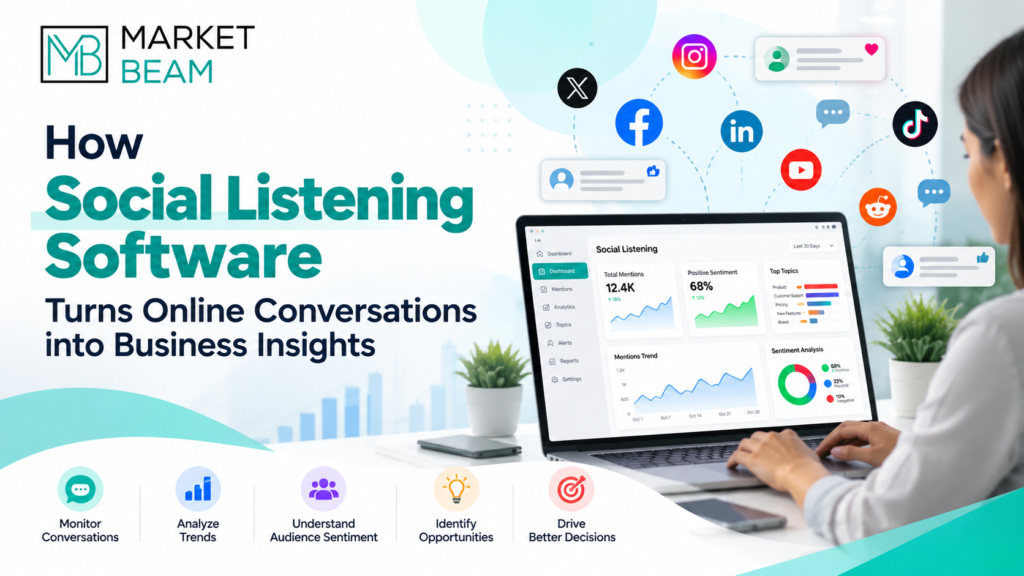
8. Sentiment Analysis
Sentiment analysis evaluates the tone of tweets mentioning your brand or campaign. It helps gauge public perception and adjust messaging accordingly.
Tool Suggestions: Use tools like Hootsuite or MarketBeam for advanced sentiment analysis.
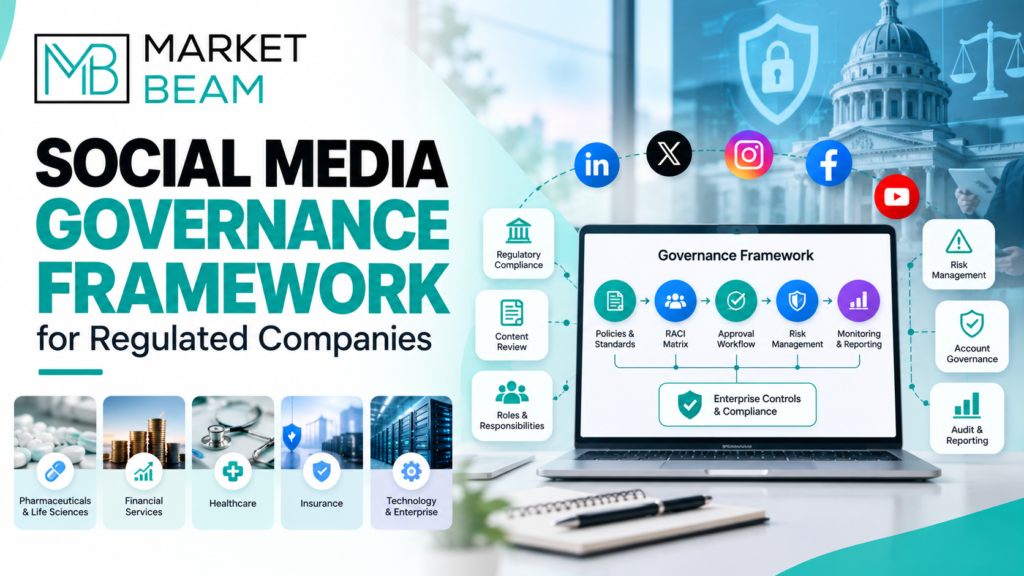
Using Twitter Analytics for Regulatory Compliance
In regulated industries like life sciences, compliance isn’t optional—it’s a necessity. Twitter analytics can help you ensure campaigns meet regulatory standards by:
- Monitoring the language used in tweets.
- Tracking engagement metrics to evaluate the effectiveness of disclaimers.
- Ensuring that campaigns align with FDA or EMA guidelines.
How to Master Twitter Analytics for Life Sciences
Here’s how you can make the most of Twitter analytics:
- Utilize Analytics Tools
Platforms like MarketBeam, Hootsuite, or Sprout Social provide detailed Twitter analytics, including audience demographics and sentiment analysis. - Define Clear Goals
Establish objectives such as raising brand awareness, driving traffic, or engaging with healthcare professionals. Align your Twitter metrics with these goals. - Analyze and Optimize
Regularly review analytics to identify trends and areas for improvement. For example, if engagement is low, experiment with posting times or content formats.
The Benefits of Tracking Social Media Measurements
By actively monitoring your Twitter analytics, you can:
- Target the Right Audience: Identify what type of content engages your followers.
- Improve Campaign ROI: Focus on strategies that deliver measurable results.
- Enhance Thought Leadership: Track mentions and engagement to position your brand as an industry leader.
How MarketBeam Simplifies Twitter Analytics
MarketBeam is designed to help regulated industries like life sciences manage and measure their social media performance effectively. Here’s how it adds value:
- Real-Time Analytics: Access detailed insights into impressions, engagements, and sentiment.
- Regulatory Compliance: Automate compliance checks to ensure campaigns adhere to industry regulations.
- Employee Advocacy: Amplify your reach through employees’ social media networks, further boosting your metrics.
Conclusion
Mastering Twitter analytics is essential for life sciences organizations aiming to thrive in the digital landscape. By tracking key social media measurements, you can optimize your content, ensure compliance, and maximize impact. Tools like MarketBeam make this process seamless, allowing you to focus on delivering value to your audience.