Employee Advocacy and Social Media Automation: Building Smarter Brand Growth
In today’s digital-first world, brands are expected to stay active across multiple social platforms every single day. Managing content, replying to audiences, tracking engagement, and maintaining brand consistency can quickly become overwhelming. This is where employee advocacy combined with social media automation creates a powerful advantage for modern businesses.
Companies are no longer relying only on brand pages to increase visibility. They are turning to employee advocacy to expand reach, build trust, and strengthen engagement. At the same time, automation tools help marketing teams manage workflows efficiently and maintain a consistent online presence. Together, these strategies allow businesses to scale social media efforts without increasing operational complexity.
Understanding Employee Advocacy in Modern Marketing
Employee advocacy refers to the process of encouraging employees to share company content, industry insights, and brand updates through their personal social media profiles. Instead of depending entirely on corporate channels, businesses empower employees to become trusted brand ambassadors.
Modern consumers trust people more than traditional advertising. When employees share authentic content, audiences view it as more credible and relatable. This is why employee advocacy has become a critical strategy for organizations looking to improve brand awareness and engagement.
Employee advocacy also helps businesses humanize their brand. Employees can share company culture, product updates, industry trends, and professional experiences in ways that feel authentic to their network. This creates stronger audience relationships and increases brand credibility across platforms like LinkedIn, X, Facebook, and Instagram.
As competition on social media continues to increase, employee advocacy gives businesses an organic way to expand visibility beyond paid campaigns.
The Role of Social Media Automation in Employee Advocacy
Managing large-scale employee advocacy programs manually is extremely difficult. Marketing teams often struggle with content distribution, publishing schedules, employee participation, and performance tracking. This is where social media automation becomes essential.
Social media automation helps businesses streamline repetitive tasks related to publishing, scheduling, reporting, and engagement management. Instead of manually posting content every day, organizations can automate workflows while maintaining consistency across channels.
When combined with employee advocacy, automation enables businesses to distribute approved content directly to employees, allowing them to share posts quickly and efficiently. This simplifies the advocacy process and increases employee participation.
Automation also ensures that content is shared at optimal times for maximum engagement. Marketing teams can schedule campaigns in advance, monitor interactions, and analyze performance data without spending hours on manual management.
For growing companies, employee advocacy supported by automation becomes a scalable strategy for increasing online visibility.
Why Employee Advocacy Matters More Than Ever
The digital landscape has changed dramatically over the past few years. Organic reach from business pages continues to decline across many social media platforms. Brands now need alternative methods to reach audiences effectively.
Employee advocacy helps solve this challenge by leveraging the networks of employees. Every employee has their own professional connections, followers, and communities. When employees share branded content, businesses can significantly extend their reach beyond official company pages.
Employee advocacy also improves audience engagement. Content shared by employees often receives higher interaction rates because it feels more personal and authentic. This increased engagement can lead to more website traffic, stronger lead generation, and improved brand visibility.
Another major advantage of employee advocacy is trust. People trust recommendations and shared content from individuals more than direct corporate advertising. Employees naturally bring credibility to the content they share.
For industries such as healthcare, finance, life sciences, and technology, employee advocacy can also support thought leadership. Employees become industry voices who help position the company as an authority in its field.
How Automation Improves Employee Advocacy Programs
Successful employee advocacy programs require consistency. Without automation, maintaining consistent participation and content sharing becomes difficult.
Automation tools simplify employee advocacy by organizing content distribution and streamlining workflows. Marketing teams can create content libraries filled with approved posts that employees can easily access and share.
This approach reduces confusion while ensuring messaging remains aligned with brand guidelines. Employees do not need to create content from scratch. Instead, they can personalize approved content while still supporting the overall campaign strategy.
Automation also improves scheduling efficiency. Businesses can plan entire campaigns in advance and distribute content automatically across multiple channels. This helps employee advocacy programs maintain momentum over time.
Analytics is another critical advantage. Automation platforms track shares, clicks, impressions, and engagement metrics associated with employee advocacy campaigns. These insights help businesses identify which content performs best and which employees generate the highest engagement.
By using automation, organizations can transform employee advocacy from an informal activity into a measurable growth strategy.
Building Stronger Brand Visibility Through Employee Advocacy
One of the biggest benefits of employee advocacy is increased brand visibility. Employees collectively have a much larger network reach than most corporate social media accounts.
When employees regularly share company updates, industry news, and educational content, businesses gain exposure to entirely new audiences. This extended visibility helps companies build stronger market recognition over time.
Employee advocacy also supports content amplification. A single corporate post may reach a limited audience, but when dozens or hundreds of employees share the same content, its reach multiplies significantly.
This expanded reach is especially valuable for B2B companies. Decision-makers often engage more with professional content shared by individuals than content published by brand pages.
Employee advocacy additionally improves employer branding. Potential employees can see authentic insights into company culture and workplace experiences through employee-generated content. This helps attract talent while strengthening brand reputation.
In highly competitive industries, employee advocacy gives organizations a sustainable advantage in digital visibility.
Employee Advocacy and Audience Engagement
Engagement is one of the most important social media metrics for any business. Likes, comments, shares, and conversations indicate how well content resonates with audiences.
Employee advocacy naturally increases engagement because content shared by individuals often generates more interaction than traditional branded posts. Employees can start meaningful conversations within their networks and encourage authentic discussions around industry topics.
Automation tools further improve engagement by helping businesses identify the best posting times and content formats. Companies can use analytics to determine what type of content employees should share for maximum impact.
Employee advocacy also strengthens community-building efforts. Employees become active participants in online discussions, helping brands maintain stronger relationships with customers and prospects.
This increased interaction creates more opportunities for lead generation, customer trust, and long-term audience loyalty.
Data and Analytics in Employee Advocacy
Modern marketing decisions rely heavily on data, and employee advocacy is no exception. Businesses need visibility into how advocacy campaigns perform and how employees contribute to social media growth.
Automation platforms provide detailed analytics that measure impressions, engagement, shares, clicks, and conversions associated with employee advocacy efforts. These insights help businesses understand which campaigns deliver the strongest results.
Analytics also allow companies to optimize future strategies. Marketing teams can identify high-performing content themes, successful posting times, and top employee advocates.
Employee advocacy programs become far more effective when supported by data-driven decision-making. Instead of relying on assumptions, businesses can continuously refine campaigns based on measurable performance metrics.
This level of visibility also helps demonstrate ROI. Organizations can directly connect employee advocacy efforts to brand awareness, traffic growth, and lead generation outcomes.
Employee Advocacy for Regulated Industries
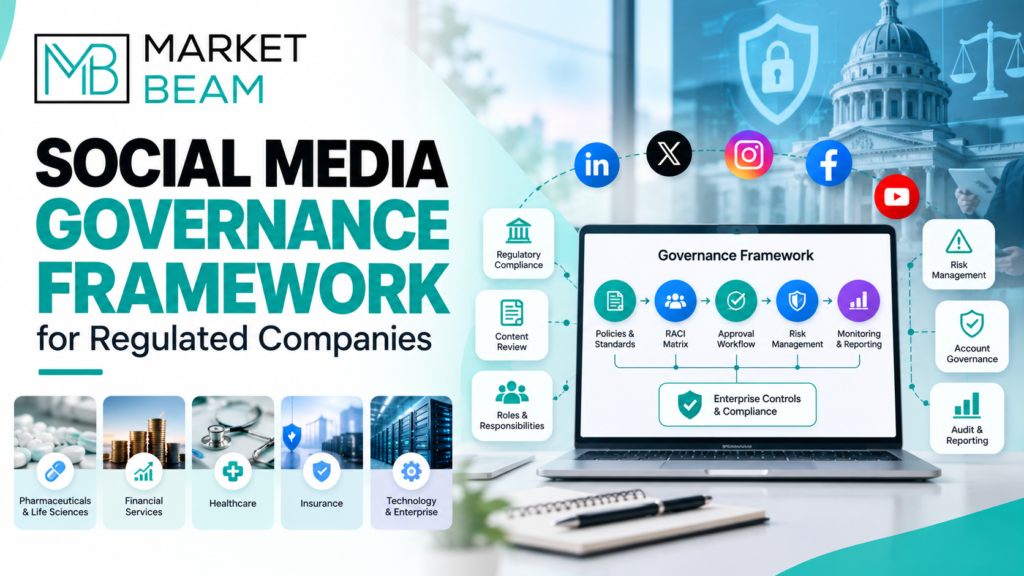
For regulated industries such as healthcare, finance, biotech, and pharmaceuticals, social media participation often comes with compliance concerns. Employees may hesitate to share company content due to strict industry regulations.
This is where structured employee advocacy platforms become especially valuable. Automation tools help organizations maintain compliance while still encouraging employee participation.
Approved content libraries ensure that employees only share compliant messaging. Automated workflows also support content reviews, permissions, and monitoring processes.
For regulated businesses, employee advocacy must balance authenticity with governance. Proper automation tools help companies maintain that balance without limiting social media reach.
This is one reason why many regulated organizations invest in specialized social media management platforms designed specifically for compliance-focused industries.
The Future of Employee Advocacy
Employee advocacy is continuing to evolve as businesses place greater emphasis on authenticity and relationship-driven marketing. Traditional advertising alone is no longer enough to maintain audience trust.
Employees are becoming central to modern digital marketing strategies. Their voices, expertise, and networks help businesses connect with audiences in more meaningful ways.
Automation technology will also continue advancing. AI-driven recommendations, predictive analytics, automated scheduling, and intelligent content distribution will make employee advocacy programs even more efficient.
As social platforms continue changing algorithms and reducing organic brand reach, employee advocacy will remain one of the most effective ways for companies to maintain visibility and engagement.
Businesses that combine employee advocacy with smart automation strategies will be better positioned to build stronger online communities, increase brand awareness, and drive sustainable growth.
Conclusion
Social media management has become increasingly complex, but employee advocacy offers businesses a scalable and authentic way to expand reach and improve engagement. By empowering employees to share branded content, organizations can strengthen trust, amplify visibility, and create more meaningful audience connections.
At the same time, automation simplifies the operational side of managing social media campaigns. Businesses can streamline workflows, schedule content efficiently, monitor engagement, and track performance using data-driven insights.
When employee advocacy and automation work together, brands gain the ability to scale their digital marketing efforts more effectively while maintaining consistency across platforms.
Platforms like MarketBeam help businesses combine employee advocacy with advanced social media automation, analytics, compliance management, and content distribution tools. For organizations looking to strengthen their online presence and improve social engagement, employee advocacy supported by automation has become an essential part of modern marketing success.