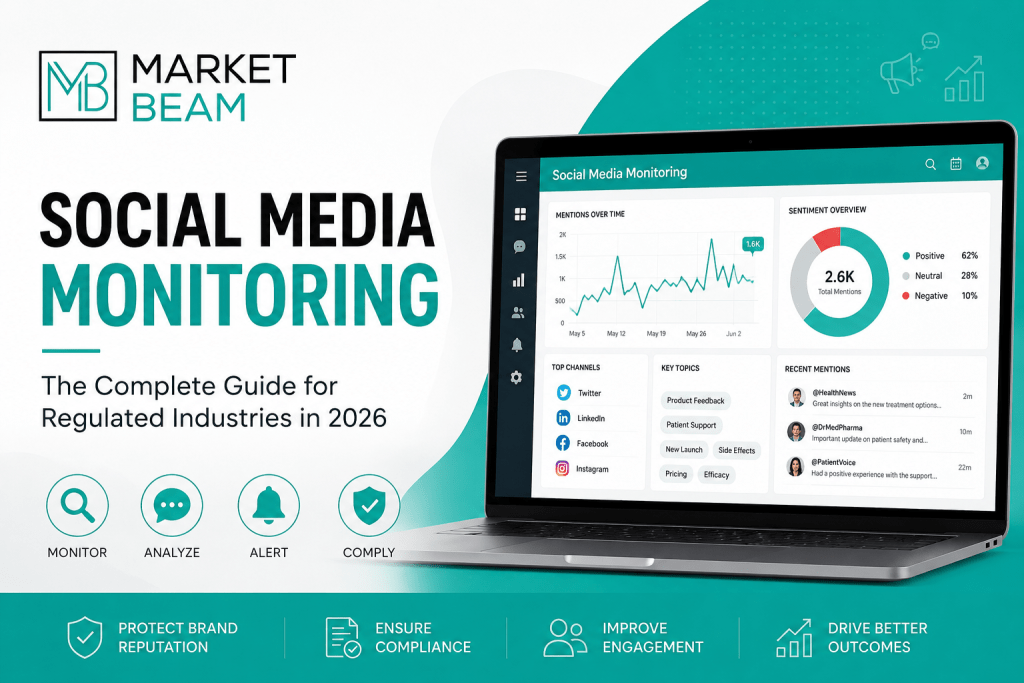
Social Media Monitoring: The Complete Guide for Regulated Industries in 2026
Social media monitoring has become a critical business function for organizations that want to understand customer conversations, protect brand reputation, and identify emerging opportunities across digital channels. For companies operating in highly regulated industries such as pharmaceuticals, biotechnology, healthcare, and financial services, monitoring online conversations is no longer optional. It is an essential part of compliance, customer engagement, and risk management. As digital communication continues to grow, organizations need reliable ways to track discussions, identify concerns, and respond quickly to changing market conditions.
Understanding Online Brand Tracking
Every day, customers, healthcare professionals, investors, and employees discuss brands across social platforms. These conversations influence purchasing decisions, brand trust, and public perception. Social media monitoring helps organizations track these discussions in real time and gain visibility into how audiences interact with their content, products, and services.
Unlike traditional reporting tools that focus only on engagement metrics, monitoring solutions provide continuous insight into conversations occurring across multiple channels. This visibility enables organizations to identify customer concerns, uncover opportunities, and respond before small issues become major challenges.
For regulated industries, the ability to observe discussions as they happen is particularly valuable. Organizations can quickly detect inaccurate information, product concerns, or potential compliance risks that require immediate attention.
Why Digital Conversations Matter
The modern customer expects brands to be accessible and responsive. When questions go unanswered or complaints are ignored, trust can decline rapidly. Social media monitoring allows organizations to identify important conversations and engage with audiences at the right time.
Companies that actively track online discussions often gain a deeper understanding of customer expectations. They can identify recurring challenges, measure public sentiment, and improve communication strategies based on real-world feedback.
This approach not only strengthens customer relationships but also helps organizations make more informed marketing decisions. By understanding what matters most to audiences, brands can create more relevant content and improve overall engagement.
The Difference Between Monitoring and Listening
Many organizations confuse social media monitoring with social listening. While the two approaches are related, they serve different purposes.
Monitoring focuses on tracking real-time conversations, mentions, comments, and interactions. It helps teams respond quickly to events as they occur.
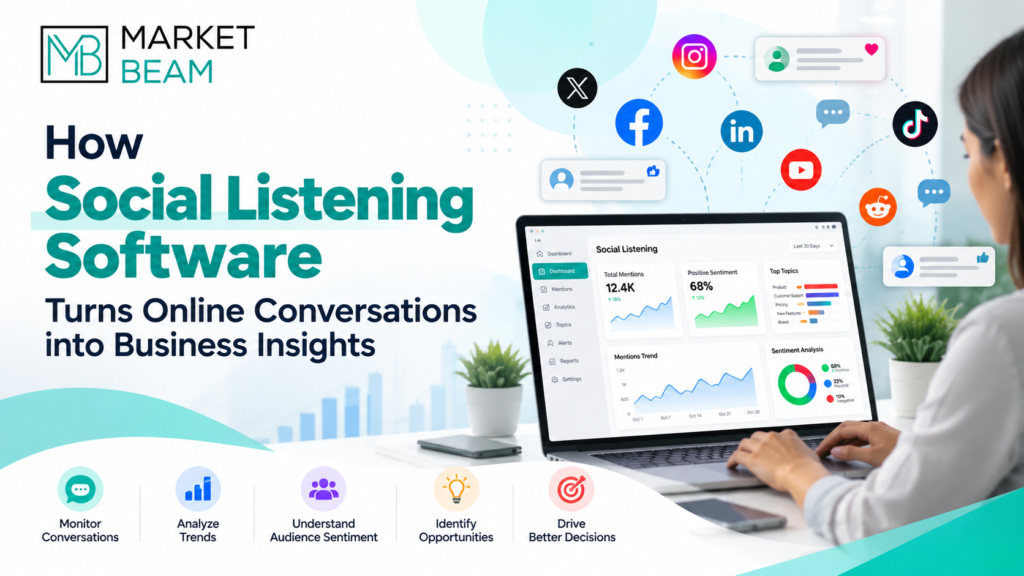
Social listening takes a broader view by analyzing long-term trends, audience sentiment, and recurring themes across the market. It helps organizations understand why conversations are happening and what they reveal about customer behavior.
The most successful brands combine both approaches. Real-time monitoring supports daily engagement, while social listening provides strategic insights that guide future decisions.
Managing Compliance Risks Online
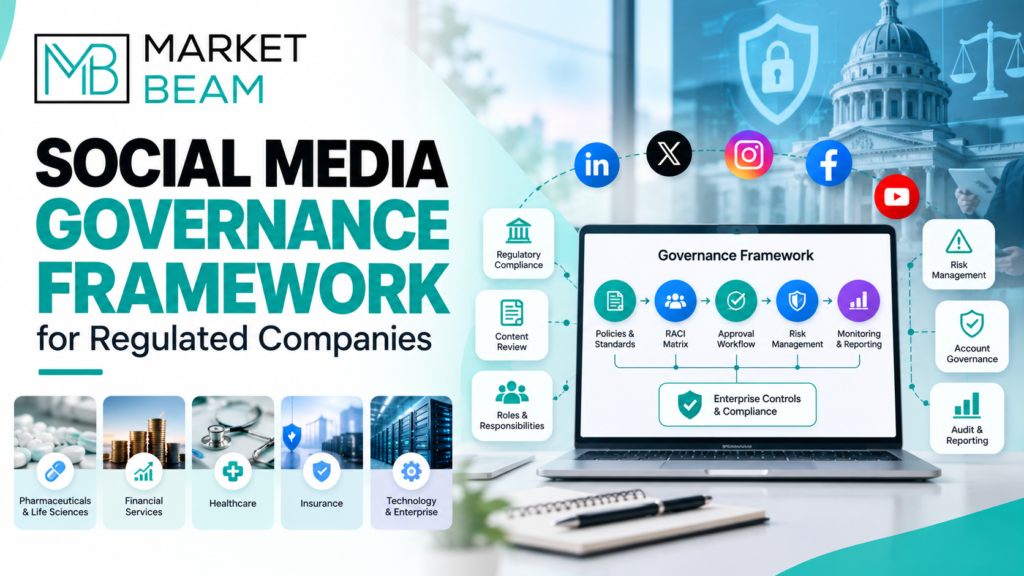
Organizations in regulated industries face unique challenges when managing social media activity. Every public interaction has the potential to create compliance concerns if not handled correctly.
Social media monitoring helps organizations identify conversations that may require review or escalation. Pharmaceutical companies can track discussions related to medications and potential adverse events. Healthcare organizations can monitor patient concerns and misinformation. Financial institutions can identify interactions that may require regulatory attention.
This visibility supports stronger governance and helps reduce the likelihood of compliance violations. By identifying issues early, organizations can take corrective action before risks escalate.
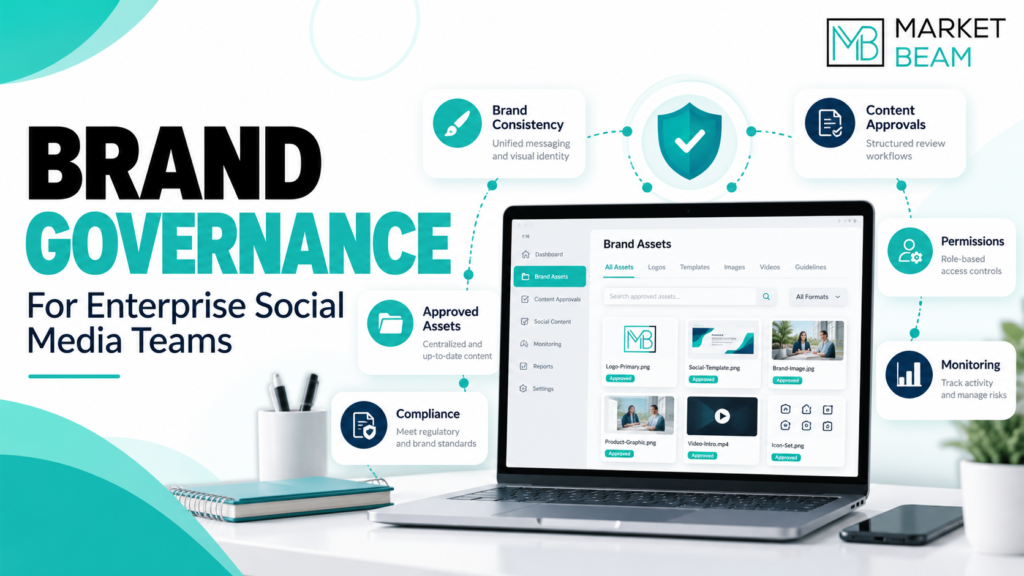
Many companies also integrate monitoring with approval workflows to ensure that published content aligns with internal policies and industry regulations.
Building Trust Through Timely Engagement
Trust is one of the most valuable assets a brand can possess. Customers are more likely to engage with organizations that demonstrate transparency, responsiveness, and accountability.
Social media monitoring helps teams identify questions, concerns, and feedback as soon as they appear. Prompt responses show customers that their voices are being heard and that the organization values their input.
Over time, consistent engagement strengthens relationships and improves customer satisfaction. Organizations that actively participate in conversations often develop stronger communities and more loyal audiences.
This is especially important in industries where trust directly influences purchasing decisions and long-term relationships.
Turning Data Into Actionable Insights
Modern monitoring platforms provide much more than conversation tracking. They also generate valuable performance data that can guide marketing and business strategies.
Organizations can evaluate engagement trends, audience growth, content effectiveness, and overall brand sentiment. These insights help marketing teams understand what is working and where improvements are needed.
When combined with social media analytics, monitoring data becomes a powerful source of business intelligence. Organizations can refine content strategies, improve campaign performance, and allocate resources more effectively.
Data-driven decision-making has become increasingly important as competition for audience attention continues to grow.
Supporting Employee Advocacy Programs
Many organizations are expanding their reach through employee advocacy initiatives. Employees often have extensive professional networks that can amplify company messages beyond traditional corporate channels.
While employee advocacy offers significant benefits, it also introduces new compliance considerations. Organizations need visibility into how content is being shared and discussed across social networks.
Social media monitoring provides that visibility. Teams can evaluate engagement levels, identify successful content, and ensure that communications remain aligned with company guidelines.
When combined with employee advocacy software, monitoring helps organizations scale brand awareness while maintaining appropriate oversight.
The Role of Automation in Modern Marketing
The volume of digital conversations has increased dramatically over the past decade. Manual tracking is no longer practical for organizations managing multiple social platforms and large audiences.
This challenge has accelerated the adoption of social media automation tools. Automated systems continuously track conversations, identify important mentions, and notify teams when action is required.
Automation improves efficiency while reducing the risk of missed opportunities. Marketing teams can focus on strategy and engagement rather than spending hours manually reviewing social feeds.
As artificial intelligence continues to advance, automation will play an even larger role in helping organizations manage complex social media environments.
Selecting the Right Platform
Choosing the right monitoring solution is critical for long-term success. Organizations should evaluate platforms based on functionality, compliance support, reporting capabilities, and ease of use.
The best solutions provide real-time visibility, advanced analytics, workflow integration, and strong governance controls. For regulated industries, compliance features are particularly important.
MarketBeam combines monitoring, publishing, employee advocacy, analytics, and compliance management within a unified platform. This integrated approach helps organizations simplify operations while maintaining regulatory standards.
Businesses should also consider scalability when evaluating solutions. A platform that supports future growth will deliver greater long-term value.
Looking Ahead
Digital communication continues to evolve, and organizations must adapt to changing customer expectations. Social media monitoring will remain a key component of successful marketing and compliance strategies.
Artificial intelligence is already transforming the way organizations analyze conversations, identify sentiment, and detect risks. Future monitoring solutions will become even more intelligent, enabling faster decision-making and more accurate insights.
Organizations that invest in advanced monitoring capabilities today will be better positioned to manage reputation, strengthen customer relationships, and navigate increasingly complex regulatory environments.
Conclusion
Social media monitoring has become an essential capability for organizations operating in regulated industries. It helps businesses understand customer conversations, protect brand reputation, support compliance initiatives, and uncover valuable market insights.
When combined with social listening, analytics, employee advocacy, governance frameworks, and automation, monitoring becomes a powerful driver of business growth. Companies that actively track digital conversations gain a competitive advantage by responding faster, making better decisions, and building stronger relationships with their audiences.
As the digital landscape continues to evolve, organizations that prioritize visibility and engagement will be better equipped to succeed in an increasingly connected world.