The Role of AI in Pharmaceutical Marketing: Transforming Engagement and Compliance
Pharmaceutical marketing is rapidly evolving as organizations adopt artificial intelligence to improve targeting, engagement, and regulatory alignment. Today, success is not only about reach but also about ensuring pharma marketing compliance across every digital channel. AI is now helping teams accelerate digital MLR review, automate pharma approval workflows, and enable compliant social media publishing. As a result, companies are shifting toward AI-powered systems that support pharma social media management while maintaining strict social media compliance in pharma environments.
The pharmaceutical industry is undergoing a significant transformation, driven by technological advancements and the need to adapt to a more customer-centric model. One of the key drivers of this change is the adoption of artificial intelligence (AI). AI is no longer just a futuristic concept but a reality that is reshaping the way pharmaceutical companies approach marketing. From automating processes to delivering highly targeted campaigns, AI is proving to be a game-changer in marketing in the pharmaceutical industry.
In the global pharmaceutical industry, where competition is fierce, companies are leveraging AI to improve the effectiveness of their marketing strategies. AI enables pharmaceutical companies to analyze vast amounts of data, uncover patterns, and predict future trends. This helps companies in the pharmaceutical industry tailor their marketing efforts more effectively, delivering personalized content to the right audience at the right time.
With the growing importance of AI, the future of marketing in the pharmaceutical industry looks promising. By harnessing the power of AI, companies can stay ahead of competitors and better meet the needs of patients, providers, and payers. As the pharmaceutical industry continues to evolve, AI will play an increasingly vital role in shaping how companies engage with their audience and promote their products.
AI-Driven Personalized Marketing
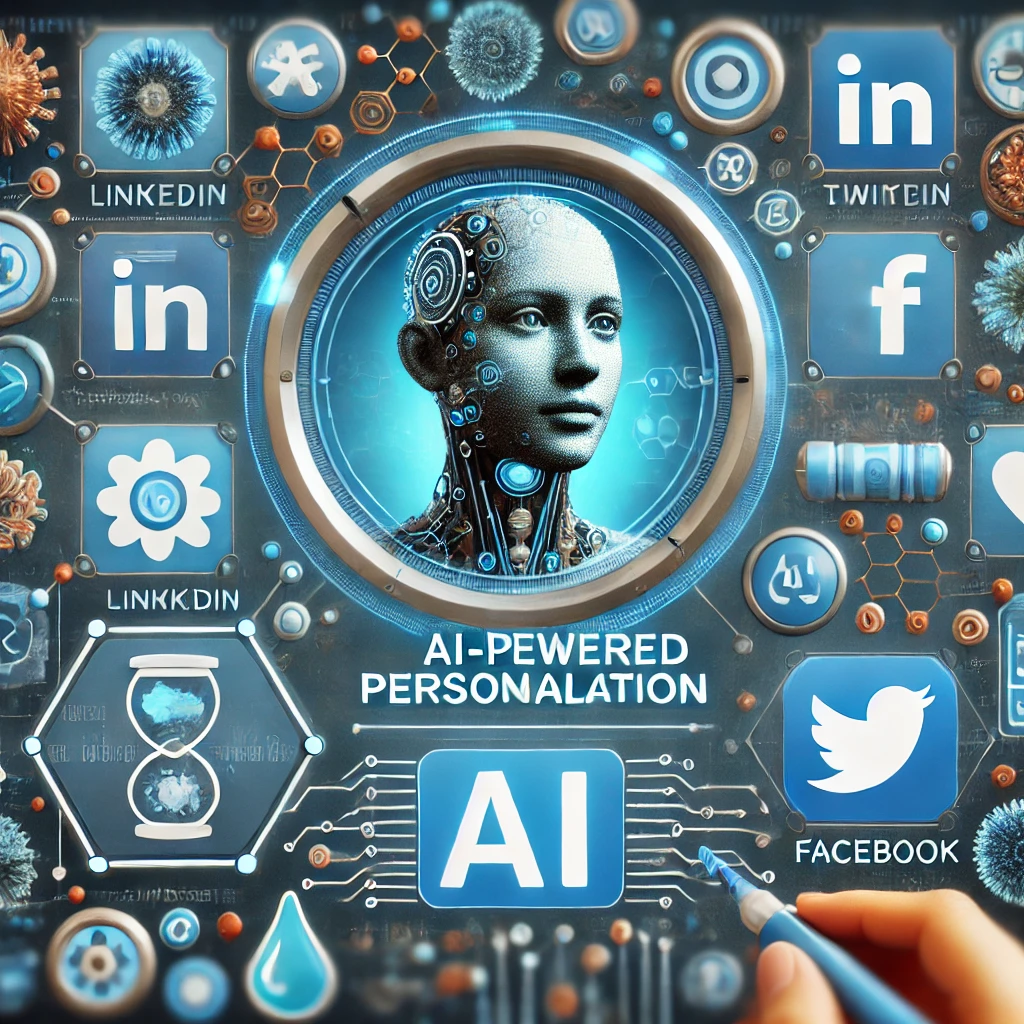
In today’s pharmaceutical industry, personalized marketing is essential for engaging both healthcare professionals and patients. AI has revolutionized how companies can create highly targeted and personalized campaigns, addressing specific patient needs and preferences. Unlike traditional methods, where marketing messages were often generic, AI allows pharmaceutical industry companies to analyze user behavior and data to deliver customized content.
AI excels in customer segmentation by analyzing patient demographics, purchasing behavior, and medical needs. This level of detail significantly improves market research in the pharmaceutical industry. With AI, companies can identify the most relevant audiences for specific products, ensuring that their marketing messages reach those who will benefit most. This precision not only increases engagement but also improves marketing ROI.
In the american pharmaceutical industry, AI-driven personalized marketing campaigns have shown great success. A case study in the pharmaceutical industry highlights how AI-powered algorithms were able to target specific patient groups more effectively than ever before, leading to improved patient engagement and higher conversion rates. By using AI to segment and target customers more accurately, companies are experiencing better outcomes in both digital and offline marketing efforts.
As marketing in the pharmaceutical industry continues to evolve, AI-driven personalized marketing will become the standard, helping companies stay competitive in an increasingly crowded market.
Enhancing Customer Engagement Through AI
AI is revolutionizing customer engagement within the pharmaceutical industry by enabling real-time interaction and support. One of the most significant advancements has been the use of AI-powered chatbots and virtual assistants. These technologies provide patients with instant responses to their inquiries, whether they are seeking medical advice, product information, or guidance on how to use their medications. By offering 24/7 availability, AI-powered tools are enhancing patient trust and improving overall customer experience.
AI also plays a pivotal role in providing accurate and up-to-date medical information in the pharmaceutical industry. Patients can now access reliable data through AI systems that scan vast medical databases and deliver the most relevant information based on individual queries. This not only helps patients make informed decisions but also ensures that pharmaceutical industry companies maintain high levels of transparency and trustworthiness in their marketing efforts.
A case study in the pharmaceutical industry demonstrates how AI is being used to monitor social media channels, allowing companies to track patient feedback and sentiment in real time. AI-driven social listening tools help pharmaceutical marketers engage with their audiences more effectively by addressing concerns, responding to feedback, and tailoring content based on patient needs. This personalized approach to engagement builds stronger relationships and increases patient loyalty.
By integrating AI into customer engagement strategies, pharmaceutical companies industry can better meet the needs of their audiences, ensuring that the right information is delivered at the right time, ultimately improving both patient outcomes and brand loyalty. As the pharmaceutical industry continues to innovate, AI will remain at the forefront of enhancing customer interaction and engagement.
AI for Predictive Analytics in Pharma Marketing
AI’s ability to analyze vast amounts of data in real-time makes it an invaluable tool for predicting drug demand and market shifts within the pharmaceutical industry. Through predictive analytics, AI can forecast trends by analyzing patient behavior, prescription patterns, and even seasonal variations in illness prevalence. This allows pharmaceutical companies industry to adjust their production and marketing strategies accordingly, ensuring that they are prepared for changes in demand and optimizing supply chain management.
One of the most significant benefits of AI in marketing in the pharmaceutical industry is its capacity to uncover new market opportunities. By continuously analyzing market trends, competitor activity, and patient needs, AI-driven insights help companies identify areas where demand is growing or underserved. This predictive capability allows companies to capitalize on emerging opportunities, such as the need for specific treatments in newly identified patient segments or geographical regions. These insights are especially valuable in helping companies differentiate themselves in an increasingly competitive market.
AI is also driving growth strategies by improving pharmaceutical industry revenue through more precise marketing efforts. By predicting which drugs are likely to see increased demand and when, companies can focus their marketing resources on the most profitable products at the right time. This not only boosts sales but also reduces wasted marketing spend. For instance, targeted AI-driven campaigns can ensure that marketing efforts are directed toward healthcare professionals and patients most likely to benefit from new treatments, improving overall campaign effectiveness.
In short, AI-powered predictive analytics are transforming how the pharmaceutical industry approaches marketing, enabling companies to stay ahead of market shifts, optimize revenue, and drive growth.
Optimizing Digital Advertising and Content with AI
AI has revolutionized digital advertising by automating and optimizing campaigns, particularly through tools like programmatic advertising. In the pharmaceutical industry, where precision is key, AI helps automate ad placements based on real-time user data, ensuring that the right message reaches the right audience. AI’s ability to analyze online behaviors allows pharmaceutical companies to tailor their advertising efforts more effectively, delivering ads to patients or healthcare professionals most likely to engage with their content. This leads to better ad performance and higher ROI for companies across the pharmaceutical industry.
AI also plays a crucial role in creating highly targeted content for different segments within the pharmaceutical drug industry. By analyzing patient demographics, treatment history, and preferences, AI enables marketers to produce personalized content that resonates with specific audiences. Whether it’s crafting educational materials for healthcare providers or promotional content for patients, AI ensures that the messaging is both relevant and impactful. This personalized approach to content creation not only improves engagement but also builds trust between pharmaceutical companies and their target audiences.
Several examples of AI-powered marketing strategies can be seen in both the pharmaceutical industry USA and UK pharmaceutical industry. For instance, companies are using AI to automate A/B testing, allowing them to identify the most effective marketing messages and visuals quickly. Additionally, AI is helping pharmaceutical marketers predict which digital channels will yield the highest engagement, enabling them to allocate their resources more efficiently. In the UK pharmaceutical industry, AI-driven insights have allowed companies to optimize their digital presence, ensuring that their marketing campaigns are not only compliant with regulations but also highly targeted and effective.
By leveraging AI, companies in the pharmaceutical industry can optimize their digital advertising and content strategies, ensuring that they deliver precise, targeted messaging that drives engagement and improves overall marketing outcomes. As the pharmaceutical industry continues to adopt AI technologies, these strategies will become essential to maintaining competitive advantage in an increasingly digital world.
AI for Regulatory Compliance in Pharma Marketing
Regulatory compliance is one of the most critical aspects of marketing in the pharmaceutical industry, particularly given the strict regulations governing promotional materials. AI tools are increasingly being used to ensure that marketing content adheres to these stringent guidelines. AI can scan vast volumes of marketing materials in real-time, checking for compliance with regulations such as FDA guidelines in the pharmaceutical industry in the US and MHRA regulations in the UK. By automating these compliance checks, AI reduces the likelihood of errors, ensuring that companies can confidently release marketing content that is both compliant and effective.
One of the most time-consuming processes in pharmaceutical marketing is the MLR (Medical, Legal, Regulatory) review process. AI is transforming this traditionally manual process by automating the review and approval of marketing materials. AI-powered tools can cross-reference marketing claims with approved drug data, medical guidelines, and legal restrictions, significantly speeding up the review cycle. This not only reduces time to market but also ensures that materials meet all regulatory requirements before they are distributed. AI’s ability to identify potential compliance issues early in the process makes it a powerful tool for pharmaceutical industry companies looking to streamline their MLR workflows.
In the heavily regulated pharmaceutical industry in the US, ensuring compliance is not just about avoiding fines—it’s about maintaining trust with healthcare professionals and patients. AI helps companies stay ahead of evolving regulations by continuously monitoring changes in compliance guidelines and updating marketing strategies accordingly. This ensures that pharmaceutical companies can adapt quickly and remain compliant in a constantly shifting regulatory environment. The use of AI also allows companies to focus more on innovation and less on manual compliance tasks, driving greater efficiency and effectiveness in their marketing efforts.
By leveraging AI for regulatory compliance, companies in the pharmaceutical industry can reduce risks, improve operational efficiency, and ensure that their marketing materials meet the highest standards of accuracy and transparency. As regulatory pressures continue to mount, AI will become an indispensable tool in maintaining compliance across the industry.
[button link=”#https://lp.marketbeam.io/website-demo” type=”big” color=”teal” newwindow=”yes”] Schedule your demo today [/button]
Success Stories: AI in Action in Pharma Marketing
Several pharmaceutical industry companies have successfully integrated AI into their marketing strategies, leading to remarkable outcomes in audience targeting, engagement, and overall campaign success. AI-driven marketing campaigns have enabled companies to precisely target specific patient populations, streamline marketing processes, and optimize their digital presence in ways that were previously impossible.
One of the best pharma marketing campaigns that leveraged AI was conducted by a leading pharmaceutical firm, which used AI-powered tools to analyze patient data and segment its audience based on medical history, demographics, and engagement patterns. The result was a personalized campaign that significantly increased patient engagement while reducing overall marketing costs. The AI system also helped automate the delivery of content across various channels, ensuring that the right messages were sent to the right people at the most effective times. This case stands as a model for future pharmaceutical industry companies looking to embrace AI for enhanced marketing outcomes.
In terms of pharmaceutical industry competition, AI adoption has been pivotal for companies looking to gain an edge in the market. For example, companies that embraced AI for social media listening and predictive analytics outperformed competitors by delivering more relevant content and responding to customer needs faster. AI’s ability to process real-time data and track patient sentiment has given these companies a substantial advantage in adapting their marketing strategies to changing patient behaviors. A pharmaceutical industry case study revealed that one company, after integrating AI, saw a 20% increase in new patient conversions within the first six months of launching an AI-driven campaign.
As AI continues to evolve, pharmaceutical industry companies that invest in these technologies are positioning themselves for long-term success in an increasingly competitive environment. The ability to predict patient needs, automate content distribution, and personalize marketing efforts is transforming the landscape of marketing in the pharmaceutical industry, setting a new standard for effective engagement.
Challenges and Ethical Considerations
As AI becomes a more integral part of marketing in the pharmaceutical industries, it brings with it several challenges and ethical concerns that must be addressed. One of the most pressing issues is data privacy. AI systems rely heavily on patient data to create personalized marketing strategies, but this raises concerns about how that data is collected, stored, and used. In an industry as highly regulated as the pharmaceutical industry, companies must ensure they are compliant with data protection laws like GDPR in Europe and HIPAA in the United States. Mishandling patient data can not only lead to legal repercussions but also damage the trust that pharmaceutical companies work hard to maintain with their patients and healthcare providers.
Another significant challenge is the risk of bias in AI models. Since AI systems are trained on historical data, there is always the potential for biases to creep in, affecting marketing strategies and patient outreach. If an AI model is not trained on a diverse set of data, it may produce skewed outcomes, leading to marketing campaigns that favor certain demographic groups over others. In the pharmaceutical industries, this can have serious ethical implications, especially if marketing efforts unintentionally exclude or misrepresent certain patient populations. Addressing bias in AI requires constant vigilance, thorough data vetting, and diverse training datasets to ensure fairness and inclusivity.
Regulatory challenges also pose a significant hurdle for companies adopting AI in technology in the pharmaceutical industry. The rapid evolution of AI technology is outpacing current regulatory frameworks, making it difficult for companies to stay compliant. For example, while AI can streamline marketing and data analysis, it must still operate within the confines of stringent regulations like FDA guidelines in the U.S. or the European Medicines Agency (EMA) rules in Europe. As companies in the pharmaceutical industry use AI to enhance their marketing efforts, they must continuously monitor and adapt to the evolving regulatory landscape to avoid costly legal issues and protect patient rights.
In conclusion, while AI offers numerous benefits to pharmaceutical industry companies, the ethical use of this technology requires careful attention to data privacy, bias, and regulatory compliance. Addressing these challenges will be key to the responsible and effective integration of AI in marketing in the pharmaceutical industry.
AI has undeniably transformed marketing in the pharmaceutical industry, bringing unprecedented opportunities for personalization, engagement, and efficiency. From automating marketing processes to improving customer segmentation and compliance, AI has allowed pharmaceutical industry companies to innovate in ways that were unimaginable just a few years ago. Its role in enhancing the customer experience through personalized campaigns, real-time interactions, and predictive analytics has set new standards for how companies can connect with patients and healthcare providers.
Looking ahead, the future of the pharmaceutical industry is closely tied to AI’s ongoing development. As AI continues to evolve, it will further drive personalized marketing strategies, enable deeper customer engagement, and ensure better regulatory compliance. Pharmaceutical companies that leverage AI will be better positioned to meet the ever-growing demands of the market, adapt to the rapidly changing healthcare landscape, and provide more targeted, effective treatments to patients. The role of AI will only expand as companies seek to remain competitive and agile in this dynamic industry.
Now is the time for pharmaceutical industry companies to embrace AI as a vital tool for growth and innovation. By adopting AI-driven technologies, companies can future-proof their marketing strategies, optimize their operations, and ensure they remain at the forefront of the industry. As AI reshapes the landscape of pharmaceutical industry marketing, those that act now will reap the benefits of enhanced performance, improved patient outcomes, and sustained growth.
Final Thoughts
AI is transforming pharmaceutical marketing, but technology alone is not enough. Modern organizations require systems that combine intelligence with pharma marketing compliance, streamlined pharma approval workflows, and automated pharma content approval automation. AI-driven solutions now support AI in pharma marketing compliance, simplify digital MLR review, and enable safe, compliant digital engagement. As compliant social media publishing becomes critical, AI-powered platforms will define the future of pharma social media management.
How does AI help pharma marketing compliance?
AI helps automate monitoring, approvals, and content validation to maintain pharma marketing compliance across channels.
Can AI improve digital MLR review processes?
Yes, AI accelerates digital MLR review by identifying compliance risks and automating approval routing.
How does AI support compliant social media publishing in pharma?
AI ensures posts meet regulatory standards before publishing, enabling compliant social media publishing.
What role does AI play in pharma approval workflows?
AI streamlines pharma approval workflows by automating content routing and reducing manual delays.
How does pharma content approval automation improve marketing operations?
Automation speeds approvals while maintaining compliance, allowing faster campaign execution.
With MarketBeam, MedTech companies can manage influencer content, track engagement, and automate compliance—all within one secure platform.
👉 Learn more about Social Media Compliance for MedTech