Healthcare organizations are transforming the way they communicate with patients, providers, and partners. Digital health platforms, telemedicine, patient portals, mobile applications, email campaigns, and social media have become essential tools for improving patient engagement and delivering healthcare services. While these technologies create new opportunities, they also increase the responsibility of protecting sensitive patient information. This is why HIPAA compliance has become one of the most important priorities for every healthcare organization.
Whether you are a hospital, physician practice, health insurance provider, medical device manufacturer, healthcare technology company, or healthcare marketing team, understanding HIPAA regulations is no longer optional. Organizations that fail to comply with HIPAA requirements risk financial penalties, reputational damage, and loss of patient trust. More importantly, protecting patient privacy is fundamental to delivering quality healthcare.
This guide explains everything healthcare organizations need to know about HIPAA compliance, including the HIPAA Privacy Rule, HIPAA Security Rule, Protected Health Information (PHI), common compliance challenges, social media considerations, and practical best practices that help organizations reduce compliance risk while embracing digital transformation.
What Is HIPAA Compliance?
HIPAA compliance refers to meeting the requirements established under the Health Insurance Portability and Accountability Act (HIPAA), a United States federal law signed in 1996 to improve healthcare portability and establish national standards for protecting patient health information. Over the years, HIPAA has evolved into one of the most important healthcare privacy and security regulations, influencing how healthcare organizations manage sensitive information throughout its lifecycle.
The primary objective of HIPAA compliance is to ensure that Protected Health Information remains confidential, accurate, and available only to authorized individuals. Compliance is not simply about installing security software or completing annual training sessions. Instead, it represents an ongoing organizational commitment involving governance, employee education, technical safeguards, policy development, continuous monitoring, and regular risk assessments.
Modern healthcare organizations process enormous volumes of patient data every day. Medical records, laboratory results, insurance claims, appointment schedules, prescription histories, and patient communications all contain information that requires appropriate protection. HIPAA establishes the legal framework that helps organizations manage these responsibilities while maintaining patient trust.
Who Must Comply with HIPAA?
HIPAA applies to organizations known as covered entities as well as certain business associates that create, receive, maintain, or transmit Protected Health Information on behalf of covered entities. Covered entities include hospitals, physician practices, clinics, healthcare providers, health insurance companies, and healthcare clearinghouses. Business associates include organizations that provide services involving patient information, such as healthcare technology vendors, cloud service providers, data processing companies, and other organizations that handle PHI while supporting healthcare operations.
As healthcare technology continues to evolve, many organizations outside traditional healthcare settings also play important roles in maintaining HIPAA compliance. Vendors that develop healthcare software, secure communication platforms, or digital collaboration tools may have contractual responsibilities related to protecting patient information. Understanding organizational responsibilities is the first step toward building an effective compliance program.
Understanding Protected Health Information (PHI)
At the center of HIPAA compliance is the concept of Protected Health Information (PHI). PHI includes any individually identifiable information related to a person’s physical or mental health, healthcare services, or payment for those services. Information becomes protected when it can reasonably identify an individual either directly or when combined with other available information.
Patient names, medical record numbers, addresses, dates of birth, telephone numbers, email addresses, insurance details, laboratory reports, prescription information, appointment schedules, billing records, and treatment histories are all examples of information that may qualify as PHI when associated with an identifiable individual.
Healthcare organizations also manage Electronic Protected Health Information, commonly known as ePHI. Electronic records require additional safeguards because they are stored, transmitted, and processed using information systems. Protecting ePHI requires strong authentication controls, secure access management, encryption where appropriate, monitoring capabilities, and comprehensive audit logging.
Understanding what constitutes PHI allows organizations to develop policies that reduce unnecessary exposure of sensitive patient information across both clinical and marketing activities.
HIPAA Requirements
Meeting HIPAA requirements involves implementing administrative, physical, and technical safeguards that work together to protect patient information. Organizations are expected to perform ongoing risk assessments, identify vulnerabilities, establish written policies, educate employees, monitor system access, manage third-party vendors, and document compliance activities.
Compliance should never be viewed as a one-time project. Healthcare organizations continuously adopt new technologies, expand digital communication channels, and introduce new business processes. Every operational change should include a review of privacy and security implications to ensure that patient information remains appropriately protected.
Leadership involvement is equally important. Successful compliance programs depend on executive support, clearly defined responsibilities, regular employee awareness, and a culture that prioritizes patient privacy throughout the organization.
The HIPAA Privacy Rule
The HIPAA Privacy Rule establishes national standards governing how Protected Health Information may be used and disclosed. The rule also grants patients several important rights regarding their healthcare information. Individuals have the right to access their medical records, request corrections to inaccurate information, receive an accounting of certain disclosures, and request restrictions on how their information is used in specific situations.
One of the central principles of the Privacy Rule is the minimum necessary standard. Organizations should limit access to only the information required for employees to perform their assigned responsibilities. This principle helps reduce unnecessary exposure of patient information while strengthening organizational privacy practices.
The Privacy Rule also influences healthcare marketing. Organizations must understand when patient authorization is required before using health information in promotional materials, testimonials, or advertising campaigns.
The HIPAA Security Rule
While the Privacy Rule focuses on protecting patient privacy, the HIPAA Security Rule establishes requirements for safeguarding electronic Protected Health Information. The Security Rule requires organizations to implement administrative, physical, and technical safeguards designed to protect ePHI from unauthorized access, alteration, or disclosure.
Administrative safeguards include risk management processes, workforce training, assigned security responsibilities, and documented policies. Physical safeguards address facility security, workstation protection, and device management. Technical safeguards focus on access controls, user authentication, audit logs, secure transmission methods, and integrity controls that protect electronic information from unauthorized modification.
Together, these safeguards create a comprehensive framework for protecting electronic healthcare information throughout its lifecycle.
HIPAA Breach Notification Rule
Despite strong security measures, incidents may still occur. The HIPAA Breach Notification Rule outlines the responsibilities organizations have when unsecured Protected Health Information has been compromised. Covered entities may be required to notify affected individuals, the U.S. Department of Health and Human Services, and in certain circumstances, the media.
Prompt investigation, accurate documentation, timely reporting, and effective incident response planning are essential elements of maintaining HIPAA compliance. Organizations that regularly test their response procedures are generally better prepared to manage security incidents effectively.
HIPAA Compliance Checklist
Although every healthcare organization has unique operational requirements, several practices consistently strengthen compliance programs. Regular risk assessments help organizations identify emerging threats before they become serious issues. Comprehensive workforce training ensures employees understand privacy responsibilities and recognize potential compliance risks. Well-defined access controls reduce unnecessary exposure to patient information, while documented policies provide clear guidance for daily operations.
Organizations should also review vendor relationships regularly, monitor system activity through audit logs, maintain secure authentication practices, evaluate new technologies before implementation, and continuously improve compliance processes as regulations and business needs evolve.
HIPAA Compliance and Social Media
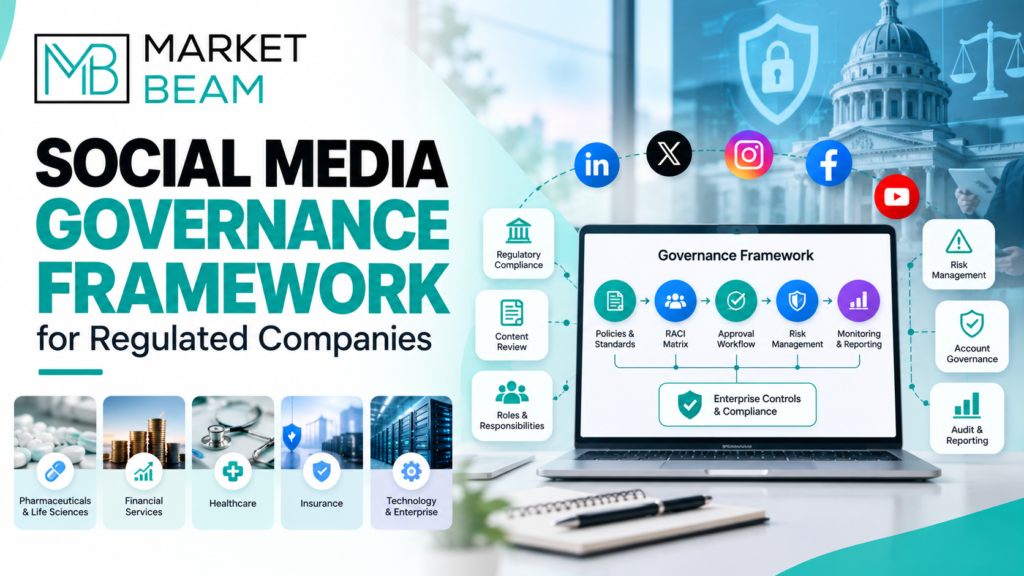
Healthcare organizations increasingly rely on digital communication channels to educate patients, share health information, and build stronger relationships with their communities. However, social media introduces unique privacy challenges because even unintended disclosures can create significant compliance risks.
Healthcare professionals should never publish identifiable patient information without appropriate authorization. Patient stories, photographs, treatment details, appointment information, and other healthcare-related content should always be reviewed carefully before publication. Organizations benefit from establishing documented approval processes that ensure communications teams, legal teams, and compliance professionals review sensitive content before it reaches public audiences.
Employee education also plays a critical role. Staff members should understand that personal social media activity can still create organizational compliance risks when patient information is involved.
Common HIPAA Violations
Many HIPAA violations occur because of everyday mistakes rather than intentional misconduct. Employees may inadvertently discuss patient information in public settings, share confidential information through unsecured communication channels, access records without a legitimate business reason, or mishandle mobile devices containing electronic Protected Health Information. Weak passwords, insufficient employee training, and inadequate oversight can also increase organizational risk.
Developing a culture of privacy awareness helps organizations reduce these risks significantly while improving overall patient confidence.
How Technology Supports HIPAA Compliance
Technology has become an essential component of modern healthcare compliance programs. Governance platforms, secure collaboration systems, approval workflows, audit trails, role-based permissions, and reporting capabilities all contribute to stronger operational controls. These technologies help organizations standardize internal processes, document approvals, improve accountability, and support regulatory readiness.
It is important to recognize, however, that no software platform alone can make an organization HIPAA compliant. Compliance depends on the combination of effective governance, employee training, organizational policies, risk management, and appropriate technology working together.
Conclusion
As healthcare organizations continue expanding their digital presence, HIPAA compliance remains fundamental to protecting patient privacy and maintaining public trust. Understanding HIPAA requirements, the HIPAA Privacy Rule, the HIPAA Security Rule, and the proper handling of Protected Health Information (PHI) enables organizations to reduce risk while continuing to innovate.
Organizations that invest in governance, employee education, structured approval processes, ongoing risk assessments, and technology that supports secure collaboration are better positioned to navigate today’s complex regulatory landscape. HIPAA compliance should not be viewed as a regulatory burden but as a long-term commitment to protecting patients, strengthening organizational resilience, and delivering responsible healthcare in an increasingly connected world.
Frequently Asked Questions
What is HIPAA compliance?
HIPAA compliance means following the privacy and security requirements established under the Health Insurance Portability and Accountability Act to protect patient health information.
What is Protected Health Information (PHI)?
Protected Health Information includes individually identifiable health information related to a person’s medical condition, treatment, or payment for healthcare services.
Who must comply with HIPAA?
Covered entities such as healthcare providers, health plans, healthcare clearinghouses, and certain business associates must comply with applicable HIPAA requirements.
What is the HIPAA Privacy Rule?
The HIPAA Privacy Rule establishes standards for how Protected Health Information may be used and disclosed while giving patients specific privacy rights.
What is the HIPAA Security Rule?
The HIPAA Security Rule requires organizations to implement administrative, physical, and technical safeguards to protect electronic Protected Health Information.
Does HIPAA apply to social media?
Yes. Healthcare organizations should ensure that social media activities do not disclose Protected Health Information without appropriate authorization and should follow established governance processes.
What is a HIPAA compliance checklist?
A HIPAA compliance checklist is a structured list of security, privacy, governance, and operational activities that helps organizations assess and strengthen their compliance programs.
Can software make an organization HIPAA compliant?
No. Software can support compliance through governance, audit logs, approval workflows, and security features, but compliance ultimately depends on an organization’s policies, processes, workforce training, and legal responsibilities.