Healthcare organizations today operate in one of the most highly regulated environments in the world. As healthcare providers, pharmaceutical companies, medical device manufacturers, and life sciences organizations continue expanding their digital presence, protecting patient information has become more important than ever.
Understanding HIPAA guidelines is no longer only the responsibility of legal and compliance teams. Marketing teams, social media managers, agencies, technology vendors, and employees involved in digital communications must understand how HIPAA impacts their daily activities.
This guide explains the most important HIPAA guidelines in 2026, what organizations must protect, and how healthcare teams can remain compliant while continuing to engage patients and healthcare professionals digitally.
What Are HIPAA Guidelines?
HIPAA guidelines are the privacy and security requirements established under the Health Insurance Portability and Accountability Act of 1996 in the United States. These guidelines govern how healthcare organizations collect, store, access, transmit, and share patient information.
The primary purpose of HIPAA guidelines is to protect patient privacy while allowing healthcare organizations to deliver effective care and operate efficiently.
HIPAA applies to healthcare providers, health plans, healthcare clearinghouses, and their business associates that create, receive, maintain, or transmit protected health information.
What Is Protected Health Information (PHI)?
Protected Health Information, commonly referred to as PHI, includes any information that can identify a patient and relates to their medical condition, treatment, healthcare services, or payment information.
Examples include patient names, addresses, medical record numbers, insurance details, laboratory results, appointment information, and billing records.
If this information exists in electronic form, it becomes Electronic Protected Health Information or ePHI, which falls under additional security requirements defined by HIPAA guidelines.
The HIPAA Privacy Rule
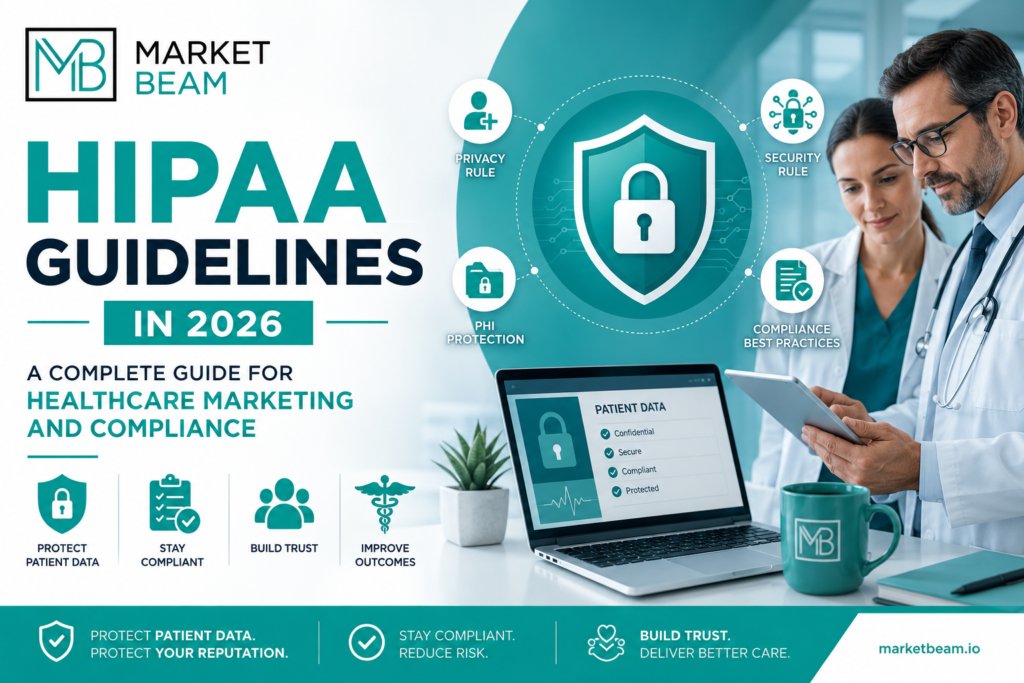
The HIPAA Privacy Rule establishes national standards for protecting patient medical records and other individually identifiable health information. It defines when information may be used, disclosed, or shared and grants patients specific rights regarding their healthcare data.
Under the HIPAA Privacy Rule, patients have the right to:
- Access their medical records.
- Request corrections to inaccurate information.
- Receive information about how their data is being used.
- Obtain an accounting of disclosures.
- Request restrictions on certain uses of their information.
Organizations handling PHI must ensure that access is limited to authorized personnel and that information is only shared when legally permitted.
The HIPAA Security Rule
While the Privacy Rule applies to all forms of patient information, the HIPAA Security Rule specifically focuses on electronic protected health information.
The Security Rule requires organizations to implement safeguards that ensure the confidentiality, integrity, and availability of patient information. These safeguards are grouped into three categories: administrative safeguards, physical safeguards, and technical safeguards.
Administrative safeguards include policies, employee training, risk assessments, and access management procedures.
Physical safeguards include secure facilities, workstation protections, and device controls.
Technical safeguards include encryption, access controls, audit logs, authentication mechanisms, and secure data transmission methods.
Who Must Follow HIPAA Guidelines?
HIPAA guidelines apply to covered entities and business associates.
Covered entities include hospitals, healthcare providers, clinics, insurance companies, and healthcare clearinghouses.
Business associates are organizations or vendors that process or access patient information on behalf of covered entities. Examples include software vendors, cloud providers, marketing agencies handling patient data, and technology platforms used by healthcare organizations. Business associates are required to sign Business Associate Agreements before accessing PHI.
HIPAA Guidelines for Healthcare Marketing Teams
Healthcare marketing has changed significantly over the last decade, particularly as organizations adopt life sciences marketing strategies that rely heavily on digital engagement and compliant communication workflows.Organizations now rely heavily on websites, email campaigns, webinars, social media, patient education programs, and digital advertising.
However, HIPAA guidelines impose important restrictions on marketing activities involving patient information.
Healthcare marketers should avoid:
- Publishing patient information without explicit authorization.
- Sharing testimonials that reveal protected information without consent.
- Using patient photographs without written approval.
- Discussing treatment details publicly on social media.
- Responding to patient comments in ways that confirm treatment relationships.
Healthcare organizations should always obtain documented authorization before using patient stories or testimonials in marketing campaigns.

HIPAA Social Media Guidelines
Social media creates unique compliance risks for healthcare organizations.
Even seemingly harmless responses can unintentionally disclose protected information.
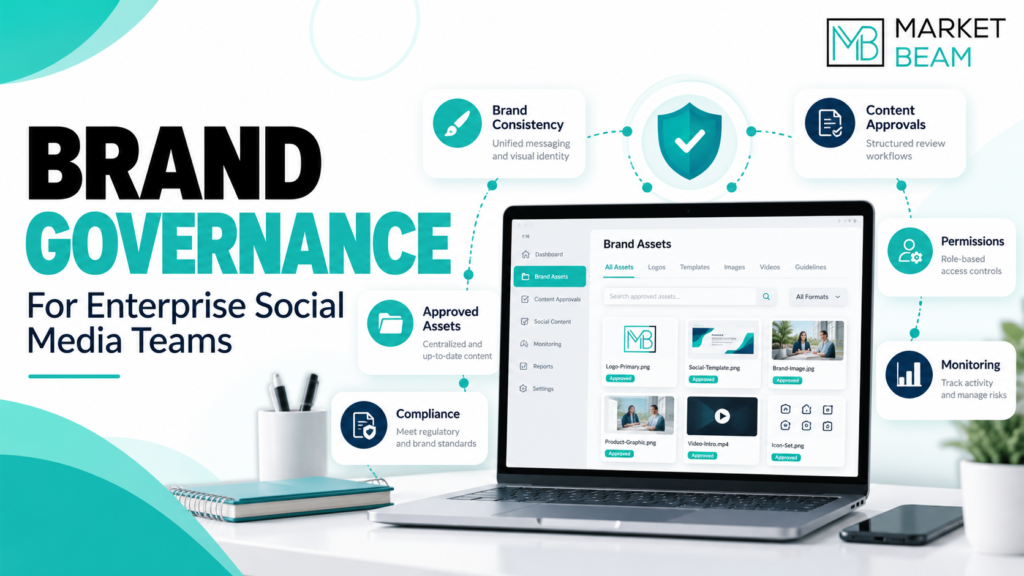
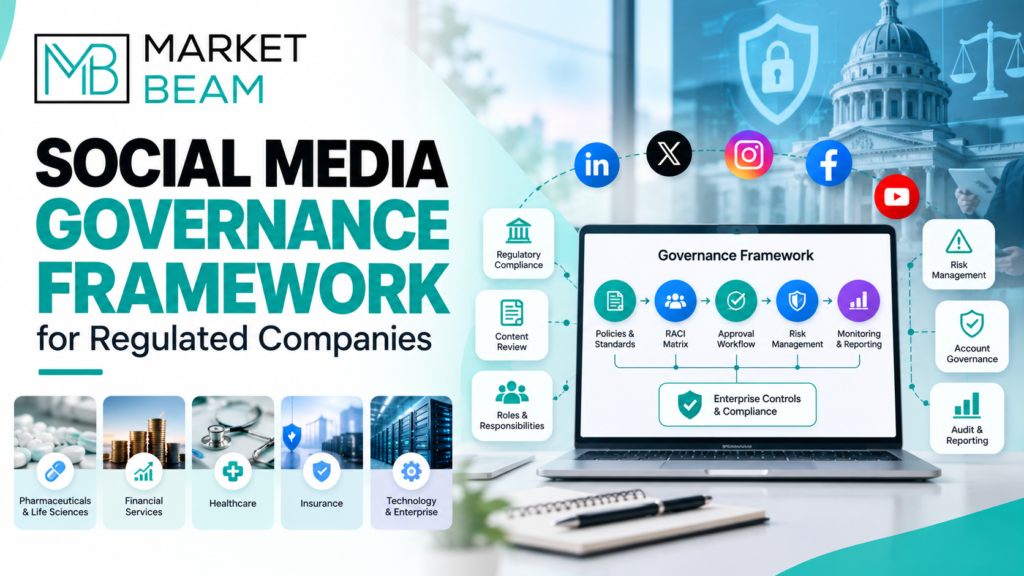
Healthcare organizations should establish clear HIPAA social media guidelines that cover employee behavior, content approvals, escalation procedures, and adverse event reporting.
Employees should never confirm that someone is a patient, discuss medical conditions publicly, or share images containing patient identifiers.
Organizations should also maintain audit trails and approval workflows for social media publishing to reduce compliance risk and improve regulatory readiness.
Common HIPAA Violations
Many HIPAA violations occur because of human error rather than malicious intent.
Common examples include sending patient information to the wrong recipient, discussing patient information in public areas, weak password practices, lost devices, and unauthorized access to records.
Social media mistakes, improper document disposal, and unsecured cloud storage systems also represent major risk areas.
The financial and reputational consequences of HIPAA violations can be significant, making employee education and governance essential.
HIPAA Compliance Best Practices
Organizations looking to strengthen compliance should adopt a proactive approach rather than reacting after an incident occurs.
Regular employee training is one of the most effective methods for reducing risk.
Healthcare organizations should also conduct routine risk assessments, implement role-based access controls, encrypt sensitive information, and maintain detailed audit logs.
Vendor management is equally important. Organizations should evaluate third-party providers carefully and ensure Business Associate Agreements are in place whenever PHI is involved.
Continuous monitoring and periodic compliance reviews help organizations identify weaknesses before they become security incidents, especially when using social monitoring tools to detect potential compliance risks.
HIPAA Updates Organizations Should Watch in 2026
HIPAA compliance continues to evolve as cyber threats increase and healthcare technology becomes more complex.
Healthcare organizations should monitor expected updates to the Security Rule that focus on stronger cybersecurity requirements, improved risk management processes, and more detailed safeguards for electronic patient information. Several privacy notice updates and changes related to specialized patient records have also become compliance priorities in 2026.
Organizations that treat HIPAA as an ongoing program rather than a one-time project are better positioned to adapt to future regulatory changes.
Why HIPAA Guidelines Matter More Than Ever
Patients expect healthcare organizations to protect their information with the same care they provide during treatment.
Trust is one of the most valuable assets in healthcare, and a single privacy incident can damage patient confidence for years.
Strong HIPAA compliance programs not only reduce regulatory risk but also improve operational maturity, strengthen cybersecurity posture, and enhance brand reputation.
As healthcare marketing, digital engagement, and social media continue to expand, organizations that build compliance into every workflow will gain a significant competitive advantage.
HIPAA guidelines are not simply legal requirements. They are the foundation for secure, trusted, and patient-centered healthcare communication in the digital era.
Frequently Asked Questions
What are HIPAA guidelines?
HIPAA guidelines are federal regulations that establish standards for protecting patient health information and ensuring the privacy and security of healthcare data. They apply to healthcare providers, insurers, healthcare clearinghouses, and business associates that handle protected health information.
Who is required to comply with HIPAA?
HIPAA compliance is required for covered entities such as hospitals, clinics, physicians, health plans, and healthcare clearinghouses, as well as business associates that access, store, process, or transmit protected health information on their behalf.
What is considered Protected Health Information (PHI)?
Protected Health Information (PHI) includes any patient information that can identify an individual and relates to their health condition, treatment, healthcare services, or payment information. Examples include names, medical records, insurance details, and laboratory results.
What is the difference between the HIPAA Privacy Rule and the HIPAA Security Rule?
The HIPAA Privacy Rule governs how patient information can be used and disclosed, while the HIPAA Security Rule focuses specifically on protecting electronic protected health information through administrative, physical, and technical safeguards.
Can healthcare organizations use patient testimonials in marketing?
Yes, healthcare organizations can use patient testimonials and success stories only after obtaining written authorization from the patient. Without proper consent, sharing patient information for marketing purposes may violate HIPAA guidelines.
Are social media posts subject to HIPAA regulations?
Yes, healthcare organizations and employees must follow HIPAA guidelines when using social media. Organizations should never share patient information, confirm patient relationships, or disclose treatment details on public platforms without authorization.
What are the most common HIPAA violations?
Common HIPAA violations include unauthorized access to medical records, sending patient information to the wrong recipient, weak password practices, lost devices, and accidental disclosures through email or social media.
What penalties can organizations face for HIPAA violations?
HIPAA violations can result in significant financial penalties, regulatory investigations, corrective action plans, and reputational damage. Penalties vary depending on the severity and intent of the violation.
How can healthcare organizations improve HIPAA compliance?
Organizations can improve HIPAA compliance by conducting regular risk assessments, training employees, encrypting sensitive data, implementing access controls, maintaining audit logs, and reviewing third-party vendor agreements.
Why are HIPAA guidelines important for healthcare marketing teams?
Healthcare marketing teams frequently manage websites, email campaigns, patient stories, and social media content. Understanding HIPAA guidelines helps marketers avoid accidental disclosures and maintain patient trust while executing digital campaigns.