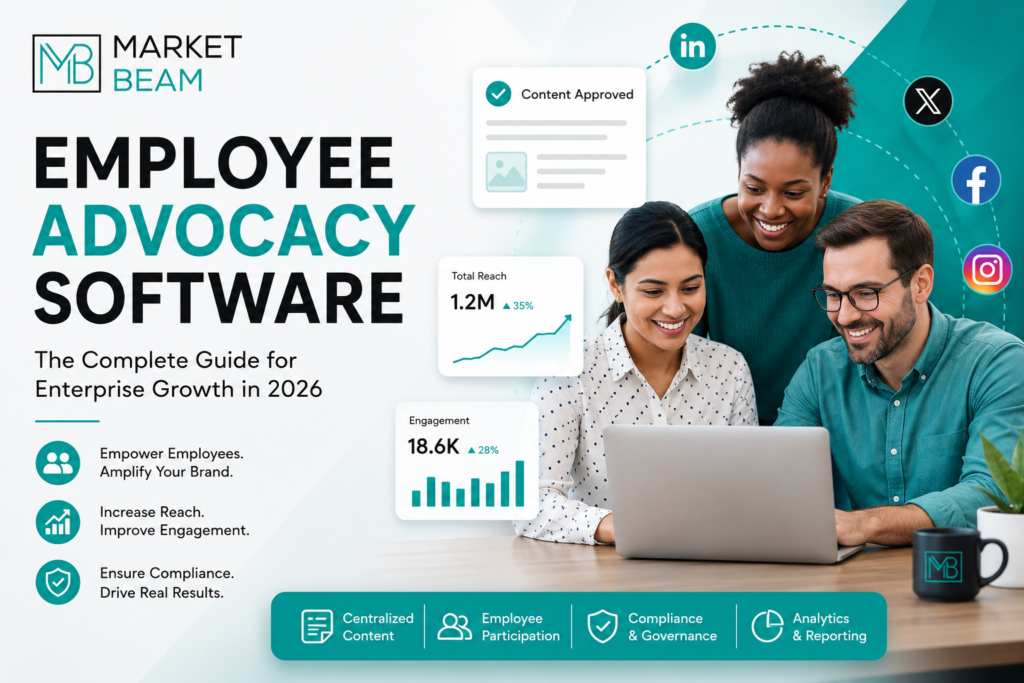
Social media marketing has changed dramatically over the past decade. While company pages remain important, audiences increasingly trust recommendations, insights, and content shared by individuals rather than brands. This shift has made employee advocacy software one of the fastest-growing categories in enterprise marketing technology.
Organizations spend significant resources creating content, yet many struggle with declining organic reach across social networks. Employees collectively have networks that are often much larger than corporate audiences. By implementing employee advocacy software, businesses can activate those networks while maintaining governance, consistency, and compliance.
Forward-looking enterprises no longer treat advocacy as an optional initiative. Instead, they view employee advocacy software as a strategic investment that improves visibility, supports sales, strengthens employer branding, and increases customer trust.
What Is Employee Advocacy Software?
Employee advocacy software is a platform that helps organizations distribute approved content to employees so they can share it through their personal social media profiles. The technology provides centralized content management, reporting, analytics, and governance capabilities.
Rather than depending on emails, spreadsheets, or manual processes, organizations use employee advocacy software to simplify participation and increase adoption across teams.
Employees gain access to relevant content, can personalize approved messaging, and share it with minimal effort. Marketing teams gain additional reach while employees build their professional reputation and personal brand.
Why Companies Are Investing in Advocacy Programs
Corporate social media pages continue to face increasing competition for visibility. Most major platforms prioritize content generated through personal interactions instead of branded posts.
As a result, organizations often experience lower engagement despite increasing investments in content production.
This is where employee advocacy software creates measurable value.
Employees usually have stronger relationships with their audiences than corporate pages do. Content shared by employees often appears more authentic, trustworthy, and relevant to potential customers.
Organizations using employee advocacy software frequently report increases in impressions, website traffic, engagement rates, and lead generation while reducing dependence on paid advertising.
The ability to amplify existing content through employee networks creates an efficient and scalable growth strategy.
How Advocacy Platforms Work
Most advocacy platforms follow a straightforward workflow.
Marketing teams upload approved content into the platform. The content is then categorized by campaign, geography, department, or industry segment. Employees receive personalized recommendations and can share posts directly to their preferred social channels.
Modern employee advocacy software solutions often include AI recommendations, scheduling capabilities, compliance checks, and advanced analytics.
This process removes friction while ensuring brand consistency and improving employee participation.
Features to Look for When Selecting a Platform
Choosing the right solution requires more than simply evaluating publishing functionality.
Content management capabilities should make it easy for marketing teams to organize and distribute approved assets. Scheduling features allow employees to publish content at optimal times without manual effort.
Analytics are equally important because organizations need visibility into participation levels, engagement, and business impact.
The best employee advocacy software platforms also provide CRM integrations, campaign reporting, and lead attribution capabilities that connect advocacy efforts to revenue outcomes.
Mobile accessibility has become another critical requirement because employees increasingly manage social engagement through mobile devices.
Organizations operating in regulated industries should also prioritize governance controls, audit trails, and approval workflows.
Benefits of Employee Advocacy Programs
The most obvious advantage of advocacy programs is expanded reach.
Employees often have significantly larger combined audiences than corporate accounts. This allows organizations to increase visibility without increasing advertising budgets.
Another major advantage is improved engagement. People naturally interact more with content shared by individuals than with content shared by brands.
Businesses implementing employee advocacy software often see stronger conversations, higher click-through rates, and improved trust among target audiences.
Sales teams can also benefit by sharing educational content that positions them as industry experts rather than simply promoting products or services.
Executive teams frequently use advocacy initiatives to build thought leadership and strengthen industry influence.
Advocacy and Employer Branding
Employer branding has become increasingly important in highly competitive hiring markets.
Candidates want to understand company culture, leadership values, and employee experiences before applying for positions.
Organizations using employee advocacy software can showcase authentic employee stories, workplace initiatives, and company achievements through the voices of their own workforce.
This creates credibility that traditional recruitment campaigns often struggle to achieve.
Potential candidates generally trust current employees more than branded recruitment messaging.
Companies that encourage employees to share experiences publicly often develop stronger employer brands and attract better talent.
Measuring Program Success
A successful advocacy initiative requires clear measurement and reporting.
Most organizations track participation rates, shares, impressions, clicks, and engagement metrics. More advanced platforms connect advocacy activity directly to website traffic, lead generation, and conversions.
Modern employee advocacy software provides dashboards that help organizations understand which campaigns generate the strongest results.
Tracking performance also helps identify top advocates and determine which types of content perform best.
Without analytics, it becomes difficult to justify investment or improve program performance over time.
Advocacy in Regulated Industries
Organizations operating in life sciences, healthcare, pharmaceuticals, banking, and financial services face additional challenges when implementing advocacy initiatives.
Regulatory requirements often restrict what employees can share publicly.
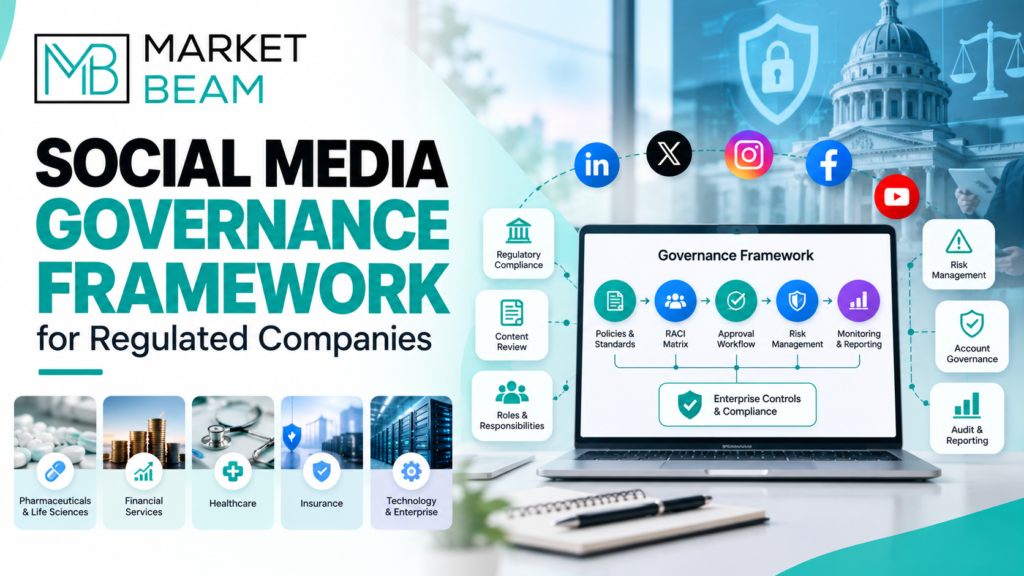
For these organizations, employee advocacy software must include governance controls that reduce compliance risk while enabling participation.
Approval workflows, pre-approved content libraries, and audit logs allow regulated businesses to expand employee participation without sacrificing oversight.
As compliance expectations continue to evolve, governance capabilities will become even more important when selecting vendors.
Common Mistakes Organizations Make
Many organizations launch advocacy programs without executive sponsorship or clearly defined objectives.
Others rely entirely on manual processes instead of investing in dedicated employee advocacy software, which often results in low adoption and inconsistent messaging.
Another common mistake is focusing exclusively on promotional content.
Employees are usually more willing to share educational content, industry insights, and thought leadership than direct sales messages.
The most successful programs create value for employees as well as for the organization.
Recognition programs, leadership participation, and ongoing communication all contribute to long-term success.
The Future of Employee Advocacy
Artificial intelligence is expected to play an increasingly important role in advocacy programs.
AI-powered recommendations can suggest personalized content based on employee interests, industries, and audience preferences.
Predictive analytics will help organizations identify content most likely to generate engagement and conversions.
Future employee advocacy software platforms will continue integrating with CRM systems, compliance platforms, social listening tools, and marketing automation systems.
Organizations that adopt advocacy strategies early will gain a significant competitive advantage in trust, visibility, and customer engagement.
Conclusion
The social media landscape continues to evolve, but one reality remains unchanged: people trust people more than brands.
That is why employee advocacy software has become a critical technology investment for modern enterprises.
By empowering employees to share approved content, organizations can increase visibility, improve engagement, strengthen employer branding, and generate measurable business outcomes.
As competition for audience attention continues to increase, businesses that invest in employee advocacy software will be better positioned to build authentic relationships and achieve sustainable growth in the digital economy.
Frequently Asked Questions
What is employee advocacy software?
Employee advocacy software is a platform that helps organizations distribute approved content to employees for sharing on their personal social networks while tracking participation and performance.
Who should use employee advocacy software?
Marketing teams, sales organizations, HR departments, executive leadership teams, and regulated industries can benefit from employee advocacy software.
How does employee advocacy software increase reach?
The platform expands visibility by leveraging employee networks, which are often significantly larger than company pages.
Is employee advocacy software suitable for regulated industries?
Yes. Many solutions include compliance workflows, approvals, governance controls, and audit trails specifically designed for regulated sectors.
What metrics should organizations track?
Organizations should monitor participation, impressions, clicks, engagement, website traffic, leads, and conversions generated through advocacy initiatives.