Pharma Social Media Strategy: Powering Growth & Compliance
In today’s digital-first world, the need to use social media in the pharmaceutical industry has never been greater. From improving patient education to streamlining HCP communication, social platforms offer a unique opportunity for pharma companies to balance growth and regulatory compliance. This blog explores how pharmaceutical brands can strategically harness social media to engage audiences while navigating the strict landscape of MLR reviews, FDA regulations, and platform-specific guidelines.
Impact of COVID-19 on Social Media Engagement
The outbreak of the COVID-19 pandemic in 2020 brought about significant shifts in online behavior, particularly in the pharmaceutical sector. With national lockdowns and social distancing measures in place, people turned to social media as a primary source of information, entertainment, and connection. The average user spent more time than ever on social media platforms, seeking news updates, community support, and healthcare guidance.
How to Use Social Media in Pharmaceutical Industry While Ensuring MLR and Compliance
Amidst this digital evolution, it’s crucial for pharmaceutical companies to navigate the regulatory landscape effectively while leveraging the power of social media. Regulations play a vital role in ensuring ethical practices, accuracy of information, and protection of consumers’ health and privacy. Therefore, understanding and adhering to regulatory guidelines is paramount for pharmaceutical organizations engaging in social media marketing.
This blog will delve into the intersection of social media marketing and regulatory compliance within the pharmaceutical industry, highlighting key guidelines, best practices, and the evolving landscape shaped by global trends and pandemic influences.
Evolution of FDA Regulations
Historical Restrictions on Pharmaceutical Content
In the early days of social media, pharmaceutical companies faced stringent restrictions on the type of content they could share online. The FDA’s regulatory framework, aimed at ensuring public safety and preventing misleading information, posed challenges for marketers in the pharmaceutical sector. Companies had to navigate complex rules regarding the promotion of prescription drugs, including limitations on discussing specific drug benefits and risks in online platforms.
Changing Landscape and Updated Regulations
Over time, the landscape of social media marketing in the pharmaceutical industry has evolved significantly. Regulatory bodies like the FDA have recognized the growing influence of digital platforms and the need for updated guidelines that strike a balance between promotional activities and regulatory compliance. This shift has led to the revision of regulations and the introduction of updated guidelines tailored to the digital era.
The FDA, in collaboration with industry stakeholders, has issued guidance documents and updates to help pharmaceutical companies navigate social media marketing responsibly. These guidelines address key areas such as fair balance in promotional content, disclosure of risk information, handling of adverse events, and engagement with online communities. The changing regulations reflect a broader acknowledgment of the importance of digital communication channels in healthcare information dissemination.
Importance of Compliance Amidst Evolving Regulations
Compliance with regulatory requirements is paramount for pharmaceutical companies operating in the social media landscape. As regulations evolve to adapt to digital advancements and consumer behaviors, maintaining compliance ensures ethical marketing practices, protects consumer interests, and upholds the credibility of pharmaceutical brands.
Non-compliance with regulatory guidelines can lead to legal repercussions, damage to brand reputation, and risks to public health. Therefore, pharmaceutical companies must stay abreast of regulatory updates, engage in continuous training and education on compliance matters, and implement robust review processes for social media content.
By prioritizing compliance amidst evolving regulations, pharmaceutical organizations can leverage the opportunities offered by social media while responsibly communicating with healthcare professionals, patients, and the broader online community. Compliance fosters trust, transparency, and accountability in pharmaceutical marketing practices, ultimately benefiting both the industry and the public.
Why Pharma Companies Must Use Social Media Strategically

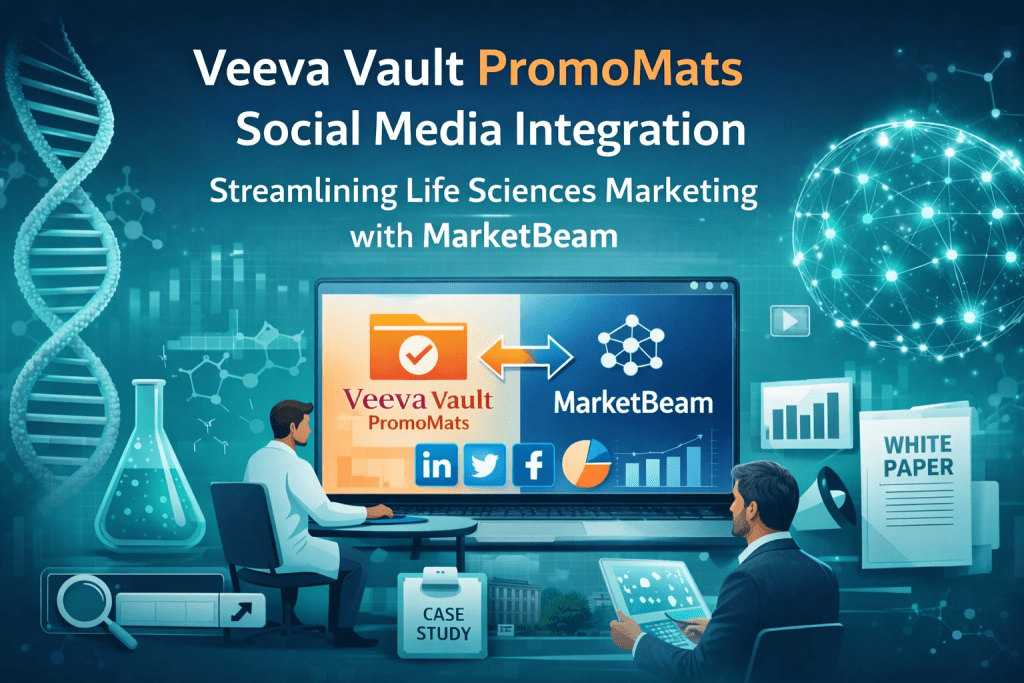
Implementing a structured pharma social media strategy allows companies to scale campaigns while maintaining pharma content compliance through tools like Veeva PromoMats integration. This ensures smooth alignment with the MLR review process and simplifies social media publishing across channels.
Accessibility to a Vast Audience
Social media platforms provide pharmaceutical companies with a powerful tool to reach a wide and diverse audience seeking medical information. Patients, caregivers, healthcare professionals (HCPs), and stakeholders actively engage on social media to stay informed about healthcare trends, treatment options, and disease management strategies. This accessibility enables companies to disseminate accurate and educational content directly to those seeking it, fostering informed decision-making and empowering individuals to take control of their health.
Influence on Health-related Decisions
Social media exerts a significant influence on health-related decisions, particularly among younger demographics who are digital natives. Millennials and Gen Z individuals often turn to social platforms for health information, treatment options, and peer experiences. This demographic shift in information consumption patterns underscores the importance of pharmaceutical companies strategically leveraging social media to provide reliable information, address misconceptions, and engage with younger audiences on healthcare topics.
Opportunities for Brand-building and Combating Misinformation
Social media serves as a platform for pharmaceutical brands to build their online presence, strengthen brand awareness, and establish credibility within the industry. By consistently sharing accurate and relevant content, companies can position
themselves as trusted sources of information, thereby combating misinformation and dispelling myths surrounding healthcare topics. Engaging in conversations, addressing common concerns, and sharing insights can enhance brand reputation and foster positive relationships with stakeholders, including patients, HCPs, advocacy groups, and regulatory bodies.
Additionally, social media offers opportunities to showcase expertise and thought leadership within the pharmaceutical sector. Companies can highlight their research initiatives, innovations, community initiatives, and contributions to healthcare advancements. By demonstrating industry knowledge and a commitment to patient well-being, pharmaceutical brands can differentiate themselves in a competitive market and build stronger connections with their target audience.
Overall, the advantages of social media in the pharmaceutical industry extend beyond traditional marketing approaches. It provides a platform for education, engagement, and advocacy, enabling companies to make meaningful contributions to public health while fulfilling regulatory obligations and maintaining ethical standards. Leveraging social media effectively can lead to enhanced brand visibility, improved patient outcomes, and a more informed and empowered healthcare ecosystem.
Best Ways to Use Social Media in the Pharmaceutical Industry for Marketing
Brand Values: Demonstrating Core Values and Building Relationships
Social media platforms offer pharmaceutical companies a unique opportunity to showcase their core values, mission, and commitment to improving patient outcomes. By crafting engaging and informative content that aligns with their values, companies can humanize their brand and connect on a deeper level with their audience. This can include highlighting corporate social responsibility initiatives, community involvement, ethical practices, and patient-centric approaches. Building authentic relationships through social media fosters trust and loyalty among stakeholders, including patients, healthcare professionals (HCPs), and advocacy groups.
Share information proactively with your audience.
One of the critical roles of pharmaceutical companies on social media is to combat misinformation and promote accurate healthcare information. By leveraging their expertise and access to credible sources, companies can create educational content, fact-check misconceptions, and guide users to reputable resources. This proactive approach not only helps in improving health literacy but also establishes the company as a reliable source of information, enhancing its credibility and authority in the industry.
Company Reviews: Leveraging Reviews and Testimonials to Build Credibility
Social media platforms facilitate transparent communication and feedback from patients, caregivers, and HCPs. Pharmaceutical companies can leverage this feedback by encouraging and showcasing positive reviews, testimonials, and success stories. Highlighting real-life experiences and outcomes can build trust and credibility, especially when coupled with adherence to regulatory guidelines regarding testimonials and endorsements. Responding to reviews, addressing concerns, and actively engaging with the audience further strengthens relationships and demonstrates a commitment to customer satisfaction.
Website Engagement: Driving Traffic to Websites for Detailed Information
Social media serves as a gateway to drive traffic to pharmaceutical company websites, where detailed information, resources, and services are available. Companies can strategically share content, such as blog posts, whitepapers, case studies, and educational materials, on social platforms with links directing users to relevant pages on their websites. This not only increases website traffic but also allows for deeper engagement, such as sign-ups for newsletters, access to patient support programs, and inquiries about products or services. Integrating social media with website engagement strategies enhances the overall digital marketing ecosystem and enables companies to provide comprehensive information to their audience.
By effectively utilizing social media for pharmaceutical marketing across these key areas, companies can strengthen their brand presence, engage with stakeholders meaningfully, and contribute positively to healthcare communication and education.
Decline in Traditional TV Advertisements and Rise of Online Marketing
Traditional forms of advertising, such as television commercials, have seen a decline in effectiveness in reaching and engaging modern audiences. This shift is particularly evident in the pharmaceutical industry, where strict regulations and limited airtime for drug advertisements on TV have prompted companies to explore alternative marketing channels. As a result, there has been a significant rise in online marketing strategies, including social media campaigns, digital content creation, targeted advertising, and influencer collaborations. These digital avenues offer greater flexibility, interactivity, and audience targeting capabilities compared to traditional media.
Changing Preferences of Healthcare Professionals and Consumers
Both healthcare professionals (HCPs) and consumers have demonstrated changing preferences in how they consume information and engage with brands. HCPs, including physicians, nurses, pharmacists, and allied healthcare professionals, are increasingly turning to digital platforms for medical updates, research findings, continuing education, and professional networking. Similarly, consumers, empowered by digital resources and health apps, seek personalized healthcare information, treatment options, and community support online. This shift in behavior reflects a growing reliance on digital channels for accessing relevant and timely information in the healthcare domain.
Importance of Adapting Marketing Strategies to Suit Audience Behaviors
Adapting marketing strategies to align with evolving audience behaviors is crucial for pharmaceutical companies to remain competitive and relevant in a digital age. This requires a deep understanding of the preferences, needs, and digital habits of both HCPs and consumers. Companies must leverage data analytics, market research, and customer insights to tailor their marketing messages, content formats, and engagement tactics to resonate with their target audience effectively.
Strategies such as content marketing, digital advertising campaigns, email marketing, virtual events, and online communities play a pivotal role in engaging audiences across different digital touchpoints. Personalization, interactivity, and value-driven content are key drivers of successful digital marketing initiatives in the pharmaceutical industry. By embracing digital transformation and adapting marketing strategies accordingly, companies can enhance brand visibility, foster meaningful relationships, and drive positive outcomes for both healthcare professionals and patients.
The shift to digital marketing represents a fundamental transformation in how pharmaceutical companies connect with their audiences, leverage data-driven insights, and deliver value-driven experiences in the digital ecosystem. Embracing this shift enables companies to stay agile, innovative, and responsive to the evolving needs of their stakeholders in a dynamic healthcare landscape.
Creating a Social Media Strategy to Use Social Media in the Pharmaceutical Industry Effectively
- Goals and Metrics: Setting Measurable Objectives and Tracking ROI
- Objective Setting: Pharmaceutical companies must define clear and measurable objectives for their social media efforts. These objectives could include increasing brand awareness, driving website traffic, generating leads, fostering engagement with healthcare professionals (HCPs) and patients, or supporting disease education and advocacy initiatives.
- Key Performance Indicators (KPIs): Aligning goals with specific KPIs allows companies to track performance and measure success. KPIs may include metrics such as reach, engagement rate, click-through rate (CTR), conversion rate, lead generation, sentiment analysis, and brand mentions.
- ROI Tracking: Establishing mechanisms to track return on investment (ROI) is essential. This involves evaluating the impact of social media activities on business outcomes, such as sales, brand perception, customer retention, and overall marketing effectiveness. Tools like analytics platforms, attribution models, and social listening tools can aid in ROI assessment.
- Platform Selection: Choosing Platforms Based on Audience Demographics and Regulatory Considerations
- Audience Analysis: Conducting thorough audience research helps in understanding the demographics, preferences, behavior patterns, and content consumption habits of target audiences. This insight guides platform selection based on where the target audience is most active and engaged.
- Regulatory Considerations: Given the regulatory landscape in the pharmaceutical industry, companies must choose social media platforms that align with regulatory guidelines and compliance requirements. Factors such as content restrictions, advertising policies, data privacy, and transparency standards vary across platforms and regions. Therefore, selecting platforms that enable compliant communication and engagement is crucial.
Compliance and Safety: Addressing Platform Regulations, Industry Guidelines, and Safety Concerns
- Platform Regulations: Pharmaceutical companies must stay updated with platform-specific regulations related to pharmaceutical content, advertising, promotions, and user interactions. Platforms like Facebook, Instagram, Twitter, LinkedIn, and YouTube have distinct policies regarding healthcare-related content, endorsements, claims, and community guidelines.
- Industry Guidelines: Adhering to industry guidelines and regulatory frameworks, such as those provided by the FDA (Food and Drug Administration) and other regulatory bodies, is paramount. Companies must ensure that their social media content complies with guidelines on fair balance, disclosure of risk information, handling of adverse events, and promotion of FDA-regulated products.
- Safety Concerns: Maintaining patient safety, data privacy, and pharmacovigilance is a critical aspect of social media engagement for pharmaceutical companies. Establishing protocols for monitoring, reporting, and responding to adverse events, off-label discussions, misinformation, and potential risks associated with products or services is essential for compliance and maintaining public trust.
By incorporating these elements into their social media strategy, pharmaceutical companies can navigate regulatory challenges, maximize the impact of their digital marketing efforts, and build meaningful relationships with stakeholders while upholding industry standards and patient safety.
Best Practices and Compliance
- Content Creation: Developing Informative and Engaging Content While Staying Compliant
- Educational Content: Focus on creating informative and educational content that adds value to your audience. Provide insights into healthcare trends, disease management, treatment options, and wellness tips.
- Transparency and Disclosure: Clearly disclose any sponsored content, partnerships, or endorsements to maintain transparency with your audience. Ensure that promotional content includes balanced information regarding benefits and risks as per regulatory guidelines.
- Visual and Multimedia Content: Utilize visuals, videos, infographics, and interactive elements to enhance engagement and comprehension. However, ensure that visual content complies with copyright laws and does not misrepresent product information.
- Language and Tone: Use clear, concise, and jargon-free language to communicate complex medical information. Maintain a professional yet approachable tone that resonates with your target audience.
Community Engagement: Building Meaningful Interactions and Relationships
- Two-Way Communication: Foster open dialogue and encourage feedback from patients, caregivers, healthcare professionals (HCPs), and advocacy groups. Respond promptly to queries, comments, and concerns in a respectful and empathetic manner.
- Patient Support and Education: Provide resources, support groups, and educational materials to empower patients in managing their health conditions. Engage in disease awareness campaigns and initiatives that promote health literacy and well-being.
- HCP Collaboration: Collaborate with HCPs through webinars, expert panels, and knowledge-sharing sessions. Respect professional boundaries and avoid promotional content that may compromise ethical guidelines.
Monitoring and Reporting: Utilizing Tools for Real-time Monitoring, Analysis, and Reporting
- Social Listening: Employ social listening tools to monitor conversations, mentions, and sentiment related to your brand, products, and industry trends. Stay vigilant for potential adverse events, misinformation, or regulatory compliance issues.
- Data Analytics: Use data analytics platforms to track key metrics, performance indicators, and campaign effectiveness. Analyze engagement patterns, audience demographics, and content preferences to optimize future strategies.
- Compliance Reporting: Develop protocols for reporting adverse events, off-label discussions, and regulatory compliance incidents. Ensure that your social media team is trained in pharmacovigilance, compliance guidelines, and crisis management.
By adhering to these best practices and compliance guidelines, pharmaceutical companies can leverage social media effectively to engage their audience, provide valuable information, and contribute positively to healthcare communication while maintaining regulatory compliance and ethical standards.
Regulatory Landscape and Compliance Guidelines
- FDA Guidelines: Overview of FDA Regulations for Social Media Marketing in Pharma
- Historical Context: Briefly discuss historical restrictions and challenges faced by pharmaceutical companies regarding social media marketing.
- Current Regulations: Provide an overview of the FDA regulations applicable to social media marketing in the pharmaceutical industry. Include guidelines related to promotional content, fair balance, risk disclosure, and handling of adverse events.
- Compliance Challenges: Highlight the challenges and complexities involved in staying compliant with FDA regulations while engaging audiences on social media platforms.
- Adapting Strategies: Discuss strategies and best practices for pharmaceutical companies to navigate FDA guidelines effectively while leveraging the benefits of social media for marketing and communication purposes.
- Platform Policies: Understanding Platform-Specific Regulations and Advertisement Policies
- Platform Diversity: Discuss the diversity of social media platforms (e.g., Facebook, Instagram, Twitter, LinkedIn) and their respective policies regarding pharmaceutical advertising, content restrictions, endorsements, and data privacy.
- Advertising Guidelines: Explore the specific advertising guidelines and approval processes required by platforms for pharmaceutical content. Address issues such as direct-to-consumer advertising, off-label promotion, and restrictions on sensitive medical topics.
- Compliance Strategies: Provide insights into compliance strategies tailored to each platform, including content moderation, legal review processes, and adherence to community standards and advertising policies.
- Case Studies: Offer examples or case studies illustrating successful social media campaigns within the framework of platform policies and regulatory compliance in the pharmaceutical sector.
- International Considerations: Navigating Regulations in Different Countries and Regions
- Global Regulatory Variances: Discuss the challenges and nuances of navigating social media regulations across international markets. Highlight differences in regulatory frameworks, cultural sensitivities, language requirements, and data protection laws.
- Localization Strategies: Outline strategies for pharmaceutical companies to localize their social media content and campaigns while complying with diverse regulatory environments. Emphasize the importance of conducting thorough legal reviews and consultations with local experts.
- Harmonization Efforts: Address industry efforts and initiatives aimed at promoting regulatory harmonization and standardization in social media marketing practices across regions. Discuss partnerships, guidelines, and collaborative platforms that facilitate compliance on a global scale.
By addressing these regulatory landscape and compliance guidelines, pharmaceutical companies can navigate the complex terrain of social media marketing while ensuring adherence to regulatory standards, protecting public health interests, and maintaining trust and transparency with their audiences.
Conclusion
Recap of the Benefits and Challenges of Social Media in the Pharmaceutical Industry
- Benefits Recap: Summarize the advantages of utilizing social media in the pharmaceutical sector, such as reaching a vast audience, engaging patients and healthcare professionals, combating misinformation, and building brand reputation.
- Challenges Recap: Highlight the regulatory challenges, compliance complexities, and ethical considerations that pharmaceutical companies face when using social media for marketing and communication.
- Emphasis on the Importance of Compliance, Transparency, and Ethical Marketing Practices
- Compliance and Transparency: Stress the crucial role of compliance with regulatory guidelines, transparency in communications, and adherence to ethical marketing practices to maintain trust and credibility in the industry.
- Patient Safety and Trust: Emphasize the significance of prioritizing patient safety, accurate information dissemination, and responsible engagement on social media platforms to protect public health and uphold professional standards.
Encouragement for Pharmaceutical Companies to Embrace Social Media Strategically and Responsibly
- Strategic Utilization: Encourage pharmaceutical companies to embrace social media as a strategic tool for communication, education, and brand building while aligning with their business objectives and compliance obligations.
- Responsible Engagement: Advocate for responsible and ethical engagement on social media, emphasizing the need for ongoing monitoring, compliance training, stakeholder collaboration, and crisis preparedness.
- Continuous Adaptation: Encourage companies to stay agile, adapt to evolving regulatory landscapes, leverage technology for compliance management, and continuously improve their social media strategies to meet industry standards and audience expectations.
By concluding with these points, your content will reinforce the importance of balancing innovation and responsibility in social media marketing within the pharmaceutical industry.
Frequently Asked Questions (FAQ)
Q1: Why should pharma companies use social media?
A: Social media helps pharma companies connect with HCPs, educate patients, and promote trust — all while tracking performance and engagement.
Q2: How can you use social media in the pharmaceutical industry compliantly?
A: By following FDA guidelines, using MLR-reviewed content, and leveraging approved tools like MarketBeam for publishing.
Q3: What are the challenges of using social media in the pharmaceutical industry?
A: Key challenges include staying compliant with regulatory requirements, managing adverse event reporting, and platform-specific ad policies.