Understanding Pharmaceutical Digital Marketing
Pharmaceutical digital marketing has become an essential strategy for modern healthcare and life sciences companies. As patients and healthcare professionals increasingly rely on digital channels for information, pharmaceutical brands must build strong online visibility while maintaining strict regulatory compliance.
Unlike traditional industries, pharmaceutical digital marketing requires a balance between engagement, education, and compliance. Pharma companies must communicate clearly, maintain transparency, and follow regulations from organizations such as the FDA and HIPAA. This creates unique challenges, but it also opens opportunities for brands that can deliver trusted and valuable digital experiences.
Today, successful pharmaceutical digital marketing is no longer limited to websites or advertisements. It includes search engine optimization, social media management, content marketing, paid campaigns, analytics, and patient engagement strategies. Companies that invest in digital transformation are better positioned to increase awareness, improve trust, and strengthen relationships with healthcare professionals and patients.
The Importance of Compliance in Pharma Marketing
Compliance remains one of the most critical aspects of pharmaceutical digital marketing. Every campaign, advertisement, email, or social media post must follow industry regulations and provide accurate medical information.
Pharmaceutical companies must ensure fair balance in all promotional content. Drug benefits and risks should be communicated clearly without misleading claims. In addition, patient data must be protected according to privacy regulations.
This is why many pharmaceutical companies now use specialized marketing platforms designed for regulated industries. These platforms help teams manage approvals, maintain audit trails, and streamline Medical, Legal, and Regulatory review processes.
A compliant approach to pharmaceutical digital marketing not only reduces legal risks but also helps brands build long-term credibility with healthcare audiences.
Building a Strong Online Presence
A successful pharmaceutical digital marketing strategy starts with a strong online presence. Healthcare professionals and patients often begin their research through search engines, making visibility extremely important.
Pharma websites should provide educational and trustworthy information related to treatments, conditions, and patient care. High-quality content improves authority while helping users find relevant answers online.
Search engine optimization plays a major role in improving discoverability. Companies should focus on long-tail healthcare keywords, optimized landing pages, fast website performance, and mobile-friendly design. When done correctly, SEO helps pharmaceutical brands attract qualified traffic and improve engagement.
Content also plays a major role in pharmaceutical digital marketing. Educational blogs, treatment guides, whitepapers, webinars, and case studies help position pharmaceutical companies as trusted industry leaders. Informative content encourages engagement while supporting awareness and lead generation goals.
Social Media and Patient Engagement
Social media has transformed the way pharmaceutical brands communicate with audiences. Today, pharmaceutical digital marketing includes active participation across platforms such as LinkedIn, Facebook, Instagram, and X.
LinkedIn is commonly used for professional communication with healthcare providers, industry experts, and decision-makers. Facebook and Instagram help brands connect with patients, caregivers, and support communities.
However, social media in pharma requires careful monitoring. Every post must align with compliance requirements and brand guidelines. Companies also need systems for identifying adverse events and managing public conversations responsibly.
Social listening has become a valuable component of pharmaceutical digital marketing because it helps companies monitor discussions, understand audience sentiment, and identify emerging healthcare trends. Monitoring conversations also enables brands to respond quickly to compliance risks or misinformation.
Many pharmaceutical organizations are now investing in employee advocacy programs to expand their reach on social media. Employees sharing approved content can significantly improve organic engagement while maintaining brand consistency.
Paid Advertising for Pharma Brands
Paid advertising is another important part of pharmaceutical digital marketing. Search ads and social media advertising help companies increase visibility, generate awareness, and drive qualified traffic to landing pages.
Google Ads campaigns allow pharmaceutical companies to target healthcare-related search queries and connect with users actively seeking information. Paid campaigns can support product awareness, disease education, webinar registrations, and lead generation efforts.
Social media advertising also supports brand visibility. Disease awareness campaigns and healthcare education initiatives often perform well across social platforms because they provide meaningful value to audiences.
Because the pharmaceutical industry is highly regulated, paid advertising content must go through strict review and approval processes. Clear messaging, fair balance, and accurate medical information are essential for compliant advertising campaigns.
Engaging Healthcare Professionals Through Digital Channels
Healthcare professionals play a central role in the success of pharmaceutical digital marketing strategies. Building trust with HCPs requires educational and data-driven communication.
Virtual events, webinars, and digital conferences have become increasingly popular in the pharmaceutical industry. These channels allow companies to share medical insights, product updates, and research findings with healthcare audiences across multiple locations.
Collaboration with key opinion leaders and healthcare influencers also helps strengthen credibility. Trusted voices can amplify educational campaigns and improve engagement within professional communities.
Modern pharmaceutical digital marketing strategies focus on creating value rather than simply promoting products. Educational engagement helps pharmaceutical companies establish authority while building stronger professional relationships.
Measuring the Success of Pharmaceutical Campaigns
Tracking performance is critical for improving pharmaceutical digital marketing results. Data-driven insights help marketers understand what is working and where improvements are needed.
Analytics tools can measure website traffic, audience engagement, lead generation, social performance, and campaign ROI. Monitoring performance helps companies optimize future strategies and allocate budgets more effectively.
Key performance indicators often include engagement rates, click-through rates, conversions, impressions, and audience growth. Compliance tracking is also important because regulated industries require detailed monitoring and reporting processes.
Advanced analytics platforms now provide deeper insights into audience behavior, campaign effectiveness, and social engagement trends. These insights help pharmaceutical companies make informed marketing decisions.
Emerging Trends in Pharmaceutical Digital Marketing
Technology continues to reshape pharmaceutical digital marketing. Artificial intelligence, automation, and machine learning are improving how pharmaceutical brands engage with audiences and manage campaigns.
AI-powered tools can assist with content recommendations, audience targeting, social listening, and compliance monitoring. Automation reduces manual effort while improving efficiency across digital workflows.
Patient-centric marketing is another growing trend. Modern healthcare audiences expect personalized experiences, educational resources, and transparent communication. Pharmaceutical brands that prioritize patient needs are more likely to build trust and long-term engagement.
Video content, interactive experiences, and virtual healthcare communities are also influencing the future of pharmaceutical digital marketing. These digital experiences create stronger connections while helping brands stand out in competitive markets.
How MarketBeam Supports Pharmaceutical Digital Marketing
For regulated industries, managing compliance and digital engagement together can be challenging. This is where MarketBeam provides significant value.
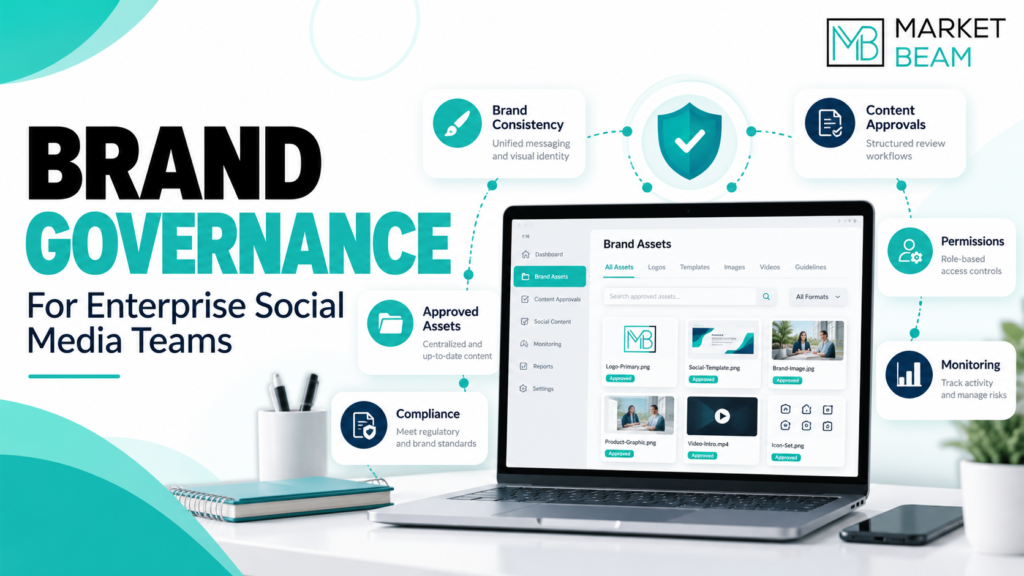
MarketBeam helps pharmaceutical companies streamline social media publishing, employee advocacy, analytics, and compliance workflows from a single platform. The platform is designed specifically for regulated industries, making it easier for teams to maintain compliance while scaling digital campaigns.
With features such as approval workflows, automated publishing, social monitoring, and employee advocacy, MarketBeam simplifies complex pharmaceutical digital marketing operations. The platform also supports integrations with systems such as Veeva PromoMats, helping organizations manage compliant content more efficiently.
Advanced analytics and reporting features allow pharmaceutical teams to measure engagement, monitor performance, and make data-driven decisions with confidence.
Conclusion
The future of pharmaceutical digital marketing depends on a combination of innovation, compliance, and audience trust. Pharmaceutical companies must create educational, patient-focused experiences while following strict industry regulations.
As digital channels continue to evolve, brands that invest in compliant marketing technology, valuable content, and personalized engagement strategies will gain a significant competitive advantage.
By combining SEO, social media, email marketing, paid campaigns, analytics, and compliance-focused platforms, pharmaceutical companies can successfully navigate the digital landscape and create meaningful connections with healthcare audiences.