
The Growing Role of Social Media in Pharma
The pharmaceutical industry has experienced a major digital transformation over the last few years. Patients, healthcare professionals, caregivers, and medical organizations now rely heavily on online platforms for information and communication. This shift has made Pharmaceutical Social Media Marketing one of the most valuable strategies for pharmaceutical companies looking to build trust, increase awareness, and improve engagement.
Social media is no longer limited to lifestyle brands or entertainment companies. Healthcare organizations are now using digital channels to educate audiences, share public health updates, promote awareness campaigns, and strengthen relationships with healthcare professionals. As digital conversations continue to grow, pharmaceutical companies are recognizing the long-term value of maintaining an active and compliant social media presence.
Today, audiences expect pharmaceutical brands to provide accurate and timely information online. A strong social media presence helps companies stay visible while supporting education and patient engagement. This is why Pharmaceutical Social Media Marketing continues to become an essential part of modern healthcare communication.
Why Digital Engagement Matters for Healthcare Brands
The rise of digital healthcare communication has completely changed how pharmaceutical companies interact with audiences. Patients now search online before speaking with healthcare providers. Physicians engage with healthcare updates through professional social platforms, and caregivers rely on digital communities for support and education.
This change in behavior has created significant opportunities for pharmaceutical companies. Through effective Pharmaceutical Social Media Marketing, brands can connect with audiences in real time while improving visibility across multiple channels.
One of the biggest advantages of social media is the ability to increase brand awareness. Pharmaceutical companies can reach healthcare professionals, patients, researchers, and caregivers through highly targeted campaigns. Unlike traditional advertising, social media allows brands to engage directly with audiences through conversations and interactive content.
Digital engagement also helps pharmaceutical brands build credibility. Audiences are more likely to trust companies that consistently provide educational and transparent communication. Sharing valuable healthcare information strengthens relationships and positions pharmaceutical companies as trusted industry leaders.
Another major benefit of Pharmaceutical Social Media Marketing is the ability to support healthcare awareness initiatives. Pharmaceutical companies can use social platforms to educate audiences about diseases, treatments, prevention methods, and patient care resources. These campaigns not only improve engagement but also contribute to public health education.
Building an Effective Marketing Strategy
A successful social media strategy begins with clear goals and audience understanding. Pharmaceutical companies must carefully define what they want to achieve through digital marketing efforts. Some brands focus on awareness, while others prioritize healthcare professional engagement, patient education, or lead generation.
Every successful Pharmaceutical Social Media Marketing campaign starts with audience research. Pharmaceutical companies often communicate with multiple audience groups, including physicians, patients, caregivers, healthcare organizations, and researchers. Each audience requires different messaging and content styles.
Patient-focused campaigns usually perform well with educational and supportive content. Healthcare professionals often prefer industry insights, research findings, and medical updates. Understanding these differences allows pharmaceutical marketers to create more relevant campaigns.
Consistency is another important factor. Pharmaceutical brands should maintain a unified voice across all digital platforms. Consistent communication helps audiences recognize and trust the brand over time.
A structured content calendar also improves campaign performance. Planning content in advance helps teams maintain regular posting schedules while aligning campaigns with healthcare awareness events, product launches, and industry trends.
Choosing the Right Social Platforms
Different social media platforms serve different purposes in pharmaceutical marketing. Selecting the right channels is essential for improving engagement and campaign effectiveness.
LinkedIn is one of the most valuable platforms for healthcare professionals and B2B pharmaceutical communication. Companies use LinkedIn to share industry insights, company updates, medical research, and thought leadership content. It is particularly effective for connecting with healthcare executives and medical professionals.
Instagram supports visual storytelling and healthcare awareness campaigns. Pharmaceutical companies can use visual content to simplify complex healthcare topics and improve audience engagement. Educational graphics, short videos, and awareness campaigns often perform well on this platform.
X remains useful for real-time healthcare discussions and industry updates. Pharmaceutical brands can participate in medical conversations, share event coverage, and communicate public health information quickly.
YouTube is another powerful platform for Pharmaceutical Social Media Marketing. Video content continues to grow in popularity, especially in healthcare communication. Pharmaceutical companies can use YouTube for educational videos, patient stories, webinars, and expert interviews.
Facebook remains valuable for patient-focused campaigns and healthcare community engagement. It allows pharmaceutical brands to share educational content while interacting directly with audiences.
Creating Content That Educates and Engages
Content is the foundation of every successful Pharmaceutical Social Media Marketing strategy. Pharmaceutical companies must create content that provides value while maintaining compliance and credibility.
Educational content is one of the most effective approaches in pharmaceutical marketing. Audiences actively search for healthcare information online, making educational campaigns highly valuable. Pharmaceutical companies can create content around disease awareness, prevention strategies, treatment education, and patient support resources.
Storytelling also plays an important role in audience engagement. Human-centered content helps pharmaceutical brands feel more approachable and trustworthy. Sharing patient journeys, healthcare initiatives, and company missions can create emotional connections with audiences.
Video content has become increasingly important in digital healthcare communication. Short educational videos help simplify complex medical topics while improving engagement rates. Video also increases content visibility across social platforms.
Visual consistency is equally important. Professional graphics, consistent branding, and clear messaging improve content quality and help audiences recognize pharmaceutical brands more easily.
At the same time, pharmaceutical companies must ensure that all content remains accurate and compliant. Every post should go through proper review processes before publication.
Managing Regulatory and Compliance Challenges
Compliance is one of the most challenging aspects of Pharmaceutical Social Media Marketing. Pharmaceutical companies operate in highly regulated environments where communication must follow strict legal and industry guidelines.
Regulatory agencies require pharmaceutical brands to provide accurate and balanced information. Social media content must avoid misleading claims, incomplete disclosures, or unsupported medical statements. Failure to comply with regulations can lead to reputational damage and legal consequences.
Managing compliance manually can become difficult, especially for organizations publishing content across multiple social channels. This is why pharmaceutical companies increasingly rely on compliance-focused marketing platforms.
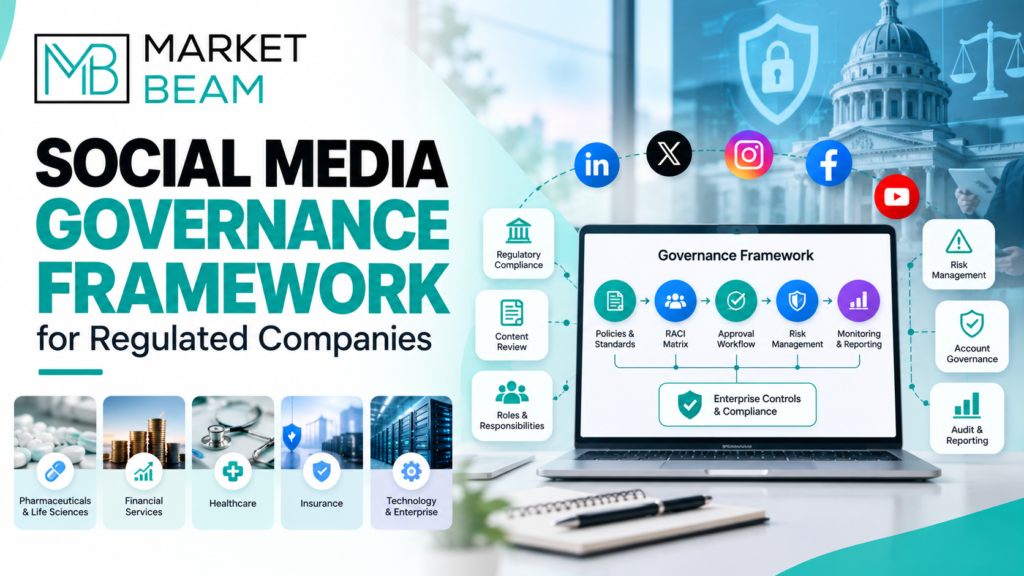
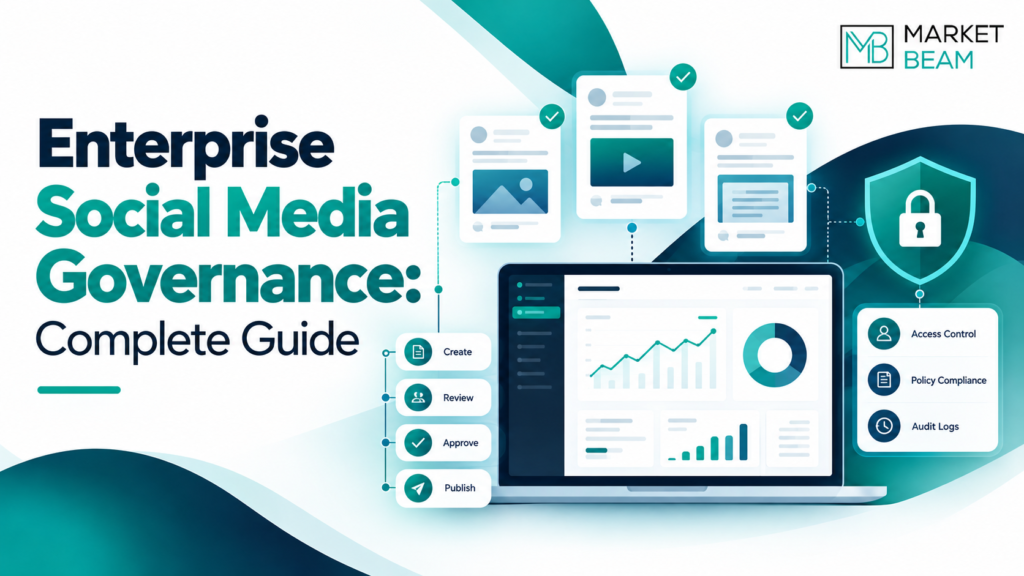
MarketBeam provides social media management solutions designed specifically for regulated industries. The platform supports compliant publishing workflows, audit trails, approval systems, and MLR review processes for pharmaceutical organizations.
One of the biggest benefits of compliance-focused platforms is workflow automation. Marketing, legal, and regulatory teams can collaborate more efficiently during content approval processes. This reduces delays while minimizing compliance risks.
Modern Pharmaceutical Social Media Marketing also requires adverse event monitoring and response management. Pharmaceutical companies must track certain healthcare-related comments and interactions according to industry regulations. Automated monitoring tools help organizations manage this process more effectively.
Measuring Campaign Performance and ROI
Tracking performance is essential for improving digital marketing strategies. Pharmaceutical companies must analyze campaign data to understand audience engagement and optimize future content.
Engagement metrics provide valuable insights into audience behavior. Likes, comments, shares, and clicks help marketers understand which content resonates most with users.
Reach and impressions measure how many users viewed campaign content across different platforms. These metrics help pharmaceutical brands evaluate visibility and awareness growth.
Website traffic is another important performance indicator. Many social media campaigns direct audiences to educational resources, webinars, landing pages, or product information. Monitoring referral traffic helps marketers measure campaign effectiveness.
Audience sentiment analysis also plays a major role in Pharmaceutical Social Media Marketing. Understanding public perception helps pharmaceutical companies improve communication strategies and identify emerging concerns.
Long-term business outcomes should also be evaluated. Pharmaceutical companies can track lead generation, healthcare professional engagement, brand awareness growth, and audience loyalty to determine the overall value of social media investments.
Best Practices for Pharma Brands
Successful pharmaceutical social campaigns rely on consistency, transparency, and audience trust. Pharmaceutical companies should focus on delivering accurate information while maintaining clear and professional communication.
Regular posting schedules improve visibility and audience engagement. Consistency helps pharmaceutical brands remain relevant in digital healthcare conversations.
Transparency is equally important. Pharmaceutical companies should communicate clearly while avoiding exaggerated claims or misleading promotional language. Honest communication strengthens credibility and long-term trust.
Audience interaction also improves campaign performance. Responding to comments, participating in healthcare discussions, and sharing educational resources encourage stronger audience relationships.
Cross-functional collaboration is essential for successful Pharmaceutical Social Media Marketing. Marketing teams must work closely with legal and regulatory departments to ensure compliant communication across all campaigns.
Technology is also transforming healthcare marketing. AI-driven analytics, automation tools, and compliance monitoring platforms are helping pharmaceutical companies improve efficiency while maintaining regulatory standards.
Future Trends in Healthcare Social Media
The future of healthcare marketing will be heavily influenced by personalization, automation, and artificial intelligence. Pharmaceutical companies are expected to invest more in advanced digital tools that improve audience targeting and campaign management.
Artificial intelligence is already helping marketers analyze audience behavior, optimize content performance, and improve compliance monitoring. AI-driven systems can identify trends and automate repetitive marketing tasks.
Video-based healthcare communication will also continue to grow. Audiences increasingly prefer visual and interactive content over traditional text-based communication. Educational videos, webinars, and short-form healthcare content are expected to become even more important.
Employee advocacy may also play a larger role in future healthcare marketing strategies. Pharmaceutical companies can expand their digital reach by enabling employees to share approved and compliant content through advocacy platforms.
As digital healthcare conversations continue to evolve, Pharmaceutical Social Media Marketing will remain a critical strategy for audience engagement and brand growth.
Conclusion
The pharmaceutical industry is entering a new era of digital communication where social media plays a central role in audience engagement and healthcare education. Pharmaceutical companies now have the opportunity to connect with patients, healthcare professionals, and caregivers more effectively than ever before.
A successful Pharmaceutical Social Media Marketing strategy requires more than regular posting. It involves audience understanding, educational content creation, compliance management, and performance analysis. Companies that invest in structured and compliant digital strategies can improve trust, increase visibility, and strengthen long-term audience relationships.
As healthcare communication continues to evolve, pharmaceutical brands that embrace digital engagement and compliance-driven marketing strategies will be better positioned for sustainable growth and industry leadership.