Social Media in the Pharmaceutical Industry
The digital revolution has dramatically reshaped marketing across all industries, and biotech and pharmaceutical companies are not immune to these changes. Social media has become a vital part of our daily lives, offering a platform for communication, information sharing, and networking. Despite stringent regulations, these sectors are now recognizing the immense potential of social media for brand visibility, customer engagement, and reputation management. Understanding the basics and strategic implementation of social media can significantly enhance a company’s outreach and impact.
The Rise of Social Media in Biotech and Pharma Marketing
Despite operating in a highly regulated environment, biotech and pharmaceutical companies are beginning to leverage social media for a variety of purposes. These platforms allow businesses to showcase their innovative solutions, engage in meaningful conversations with their audience, and position themselves as thought leaders in the industry. They also provide a valuable channel for patient education, support, and advocacy, as well as for gaining insights into patient experiences and needs.
Biotech Marketing Strategy
Pharmaceutical companies can enhance their marketing efforts by creating engaging content. They can educate the public about various health conditions, spread awareness about new treatments, and drive recruitment for clinical trials. Social media also offers the unique opportunity to listen to their audience and gain valuable insights into their needs, concerns, and experiences.
Navigating the Regulatory Landscape
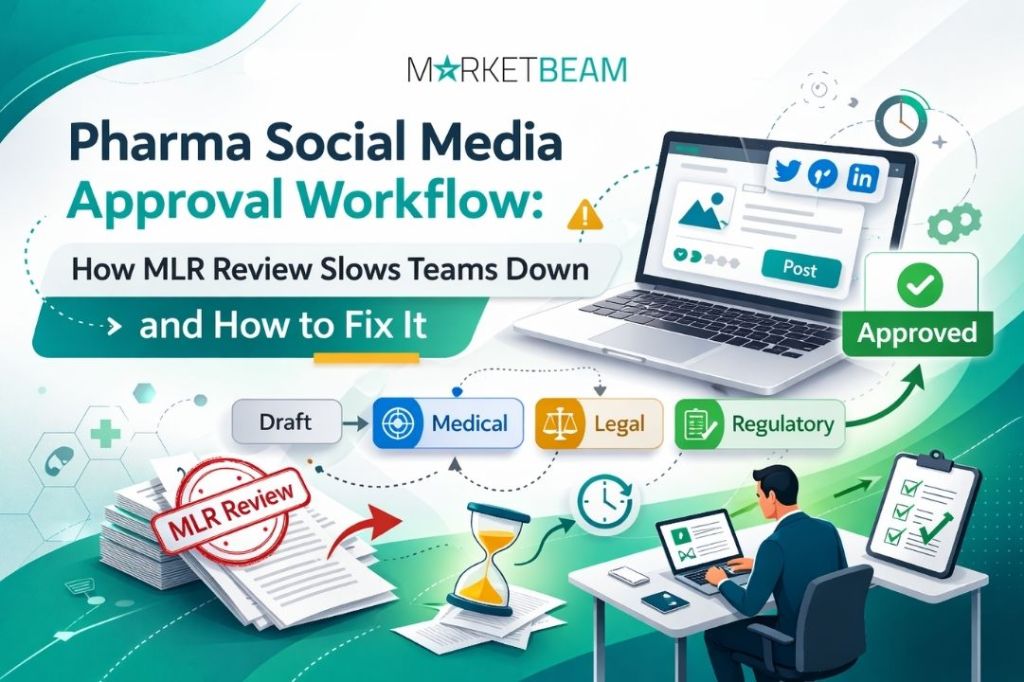
While the benefits are clear, social media pharmaceutical marketing comes with its own set of challenges. The industry is subject to strict regulatory guidelines, particularly concerning the promotion of prescription drugs and patient privacy. It’s crucial for companies to understand these guidelines and ensure their social media strategies are fully compliant.
Successful pharma social media marketing requires balancing audience engagement with regulatory adherence. This means providing value through educational and informative content rather than directly promoting specific products. It also involves implementing stringent measures to protect patient privacy and ensure the accuracy of all information shared.
Choosing the Right Social Media Platform
Choosing the right social media platform is critical for successful pharmaceutical marketing. Different platforms offer different opportunities and have varied user demographics, so it’s essential to align the platform with the company’s goals and target audience.
– LinkedIn: Excellent for B2B marketing and thought leadership.
– Facebook and Twitter: Effective for patient engagement and education.
– Instagram: Ideal for showcasing company culture and values through visual content.
Social Media Optimization Benefits
– Increased Traffic: Optimizing social media content drives more traffic to the company’s website.
– Enhanced Engagement: Varied and consistent content keeps the audience engaged.
– Brand Visibility: Improved visibility and brand recognition through effective social media optimization.
How MarketBeam Can Help
Managing social media for pharma can be complex. MarketBeam, an AI-powered social media platform, helps biotech and pharmaceutical companies navigate these challenges. MarketBeam simplifies content management, monitors and measures social media performance, and ensures compliance with industry regulations. It also enables companies to leverage employee advocacy, transforming employees into brand ambassadors who can extend the company’s message.
Importance and Advantages of Social Media
Brand Values and Relationship Building
– Transparency and Trust: Sharing insights into company values, missions, and operations builds trust with the audience.
– Client Engagement: Social media provides a casual yet effective way to interact with both existing and potential clients, fostering stronger relationships.
Combating Misinformation
– Credible Information Source: Sharing accurate and reliable information helps combat misinformation, especially around critical health issues.
– Guiding Public Opinion: Establishing credibility helps guide public opinion and ensure the dissemination of correct information.
Reviews and Credibility
– Customer Testimonials: Positive reviews and testimonials on social media enhance credibility and attract new clients.
– Wider Reach: Social media amplifies word-of-mouth recommendations, reaching a larger audience.
Social Media Opportunities and Challenges
– Opportunities: Direct engagement with consumers, real-time feedback, increased brand awareness, and targeted marketing.
– Challenges: Managing misinformation, adhering to regulatory guidelines, maintaining consistent engagement, and measuring ROI.
Benefits of Social Media Advertising
– Cost-Effective: Compared to traditional advertising, social media ads are more affordable and can be highly targeted.
– Measurable Results: Detailed analytics help track the effectiveness of campaigns and optimize strategies.
– Increased Reach: Ads can reach a vast audience, enhancing brand visibility and attracting potential clients.
Social Media’s Role During Disasters
– Information Dissemination: Quick and wide-reaching dissemination of critical information during emergencies.
– Community Support: Facilitates community support and resource sharing.
– Crisis Management: Effective tool for crisis communication and management.
Conclusion
In today’s digital age, social media has become an indispensable tool for marketing in every industry, including biotech and pharmaceuticals. Despite regulatory challenges, these platforms offer immense opportunities for companies willing to innovate and adapt. By focusing on providing value to the audience, choosing the right platform, and leveraging solutions like MarketBeam, biotech and pharmaceutical companies can harness the power of social media to drive brand visibility, patient engagement, and business growth.