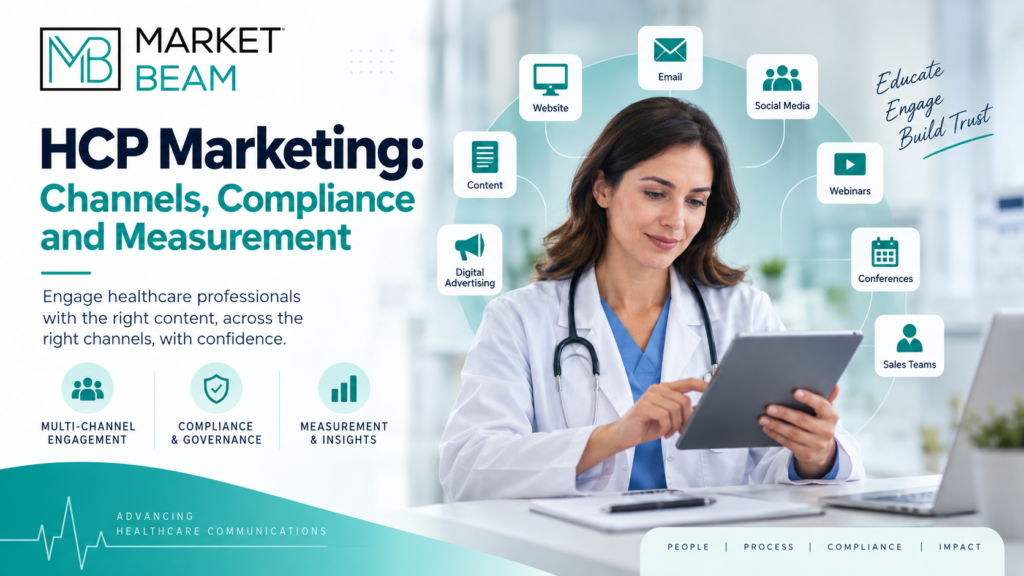
Pharmaceutical marketing is no longer limited to sales representatives, conferences, printed materials, or individual email campaigns. Healthcare professionals now move between websites, email, social media, webinars, professional networks, digital advertisements, and in-person interactions. Because of this changing behavior, pharmaceutical companies need a connected approach that delivers relevant information across multiple touchpoints. This is where omnichannel pharma marketing becomes important.
An effective omnichannel pharma marketing strategy connects channels around the needs of the healthcare professional rather than treating each channel as a separate campaign. The objective is to provide consistent messaging while adapting content, timing, and format to the audience and stage of the journey.
For regulated organizations, however, channel expansion also increases the need for governance. Teams must coordinate approved messaging, content reviews, publishing processes, data, and performance measurement across multiple platforms.
A strong strategy combines audience understanding, channel planning, compliant content, orchestration, and analytics. MarketBeam supports regulated organizations with social media management, compliance workflows, publishing, monitoring, governance, and analytics, helping teams manage connected digital communications more efficiently.
What Is Omnichannel Pharma Marketing?
Omnichannel pharma marketing is a coordinated approach to reaching healthcare professionals and other relevant audiences across multiple communication channels while maintaining a connected experience.
The key difference between multichannel and omnichannel marketing is coordination. A multichannel strategy may use several channels independently. An omnichannel strategy connects those channels so that communication is more consistent and relevant.
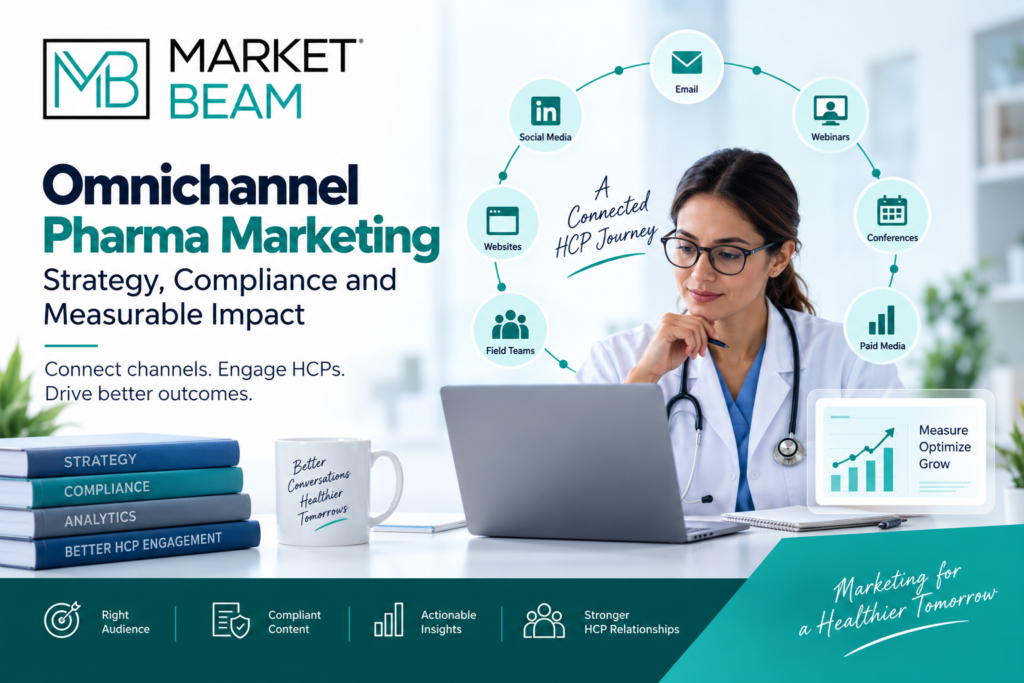
For example, a healthcare professional might first see an educational social post, visit a product website, receive an email with additional information, and later attend a webinar. With an omnichannel approach, these interactions support the same broader communication strategy.
The goal of omnichannel pharma marketing is not to use every possible channel. Instead, companies should identify the channels that matter most to their audiences and connect them around defined campaign objectives.
Why Pharma Companies Need an Omnichannel Strategy
Healthcare professionals consume information in different ways and at different times. Some prefer email, while others engage with professional social media, websites, webinars, conferences, or representatives.
An omnichannel pharma marketing strategy helps organizations respond to these differences without creating disconnected experiences.
Connected campaigns can also improve efficiency. Instead of creating unrelated content for every platform, teams can develop core messaging and adapt it for each channel while maintaining consistency.
Another benefit is better visibility. When teams analyze interactions across multiple channels, they can gain a clearer understanding of how audiences move through the communication journey.
For pharmaceutical companies, this approach also supports better resource allocation. Teams can identify which channels contribute most effectively to awareness, education, engagement, and other campaign goals.
Understanding the HCP Journey
The HCP journey describes the stages a healthcare professional may move through while discovering, evaluating, and engaging with information about a pharmaceutical brand or therapeutic area.
The journey does not always follow a straight path. An HCP might discover a topic through social media, conduct additional research on a website, download educational content, attend a webinar, and later interact with a sales representative.
Omnichannel pharma marketing helps connect these touchpoints so communication remains relevant throughout the journey.
Teams should identify key stages and determine what information an HCP may need at each point. Early-stage content might focus on awareness or education, while later interactions may provide more detailed information appropriate to the audience and communication objective.
Understanding the HCP journey also helps marketers avoid sending repetitive messages across every channel. Instead, each interaction can add value to the previous one.
Pharma Omnichannel and Channel Orchestration
Channel orchestration is the process of coordinating communication across different channels so each one supports the wider campaign strategy.
In pharma, orchestration may involve social media, websites, email, webinars, paid media, sales teams, and other communication points.
A strong omnichannel pharma marketing strategy defines the role of each channel. Social media might support awareness, email may provide follow-up information, and a webinar may offer deeper educational engagement.
Timing is also important. Sending the same message across every channel at the same time can create message fatigue. Instead, organizations can sequence communications based on audience behavior and campaign objectives.
Effective channel orchestration requires centralized planning and clear ownership. Teams need visibility into which content is active, which channels are being used, and how campaigns are progressing.
Creating Compliant Content Across Channels
Pharmaceutical communication must remain accurate and consistent regardless of where the message appears. Compliant content should follow applicable regulations, approved messaging, internal policies, and relevant review procedures.
A key challenge in omnichannel pharma marketing is adapting content without changing its intended meaning. A detailed website message may become a short social post, an email subject line, or a webinar promotion. Each adaptation still needs to follow the organization’s established review standards.
Centralized content libraries can help teams work from current approved claims, messaging, and assets. This reduces the risk of using outdated materials across different channels.
Review workflows should also account for channel-specific formats. Text, images, videos, headlines, and calls to action should be evaluated as part of the complete communication.
Key Omnichannel Pharma Marketing Channels
| Channel | Primary Role | Example Use |
|---|---|---|
| Professional Social Media | Awareness and engagement | Educational posts and thought leadership |
| Direct communication | Follow-up content and updates | |
| Website | Detailed information | Product and educational resources |
| Webinars | Deeper engagement | Professional education |
| Paid Digital Media | Targeted awareness | Campaign promotion |
| Field Teams | Personalized interaction | HCP discussions |
| Events | Direct engagement | Conferences and professional programs |
Common Omnichannel Challenges
One of the biggest challenges in omnichannel pharma marketing is fragmented ownership. Different teams may manage social media, email, websites, paid media, and field communications separately.
This can result in inconsistent messaging, duplicated content, and poor visibility into the overall campaign.
Another challenge is compliance coordination. Each channel may have different formats, but the underlying claims and messaging still need appropriate review.
Data fragmentation can make measurement difficult as well. When each channel uses separate reporting systems, teams may struggle to understand the full HCP journey.
Finally, organizations may create too much content without a clear strategy. More communication does not necessarily create better engagement.
A successful approach starts with audience needs and campaign objectives. From there, teams can select relevant channels, create approved content, coordinate communications, and measure performance across the complete journey.
Marketing Analytics and Performance Measurement
A successful omnichannel pharma marketing strategy needs clear measurement. When campaigns run across social media, email, websites, webinars, paid media, and field teams, marketers need to understand how each channel contributes to the overall HCP journey.
Marketing analytics helps teams compare reach, engagement, content consumption, website activity, registrations, and other campaign outcomes. Instead of evaluating each channel separately, organizations can examine how different interactions work together.
For example, an HCP may discover a campaign through social media, visit a website, and later attend a webinar. Looking only at the webinar registration would miss the earlier touchpoints that helped create that engagement.
A strong measurement framework should connect channel performance with campaign goals. It should also provide enough visibility for marketing leaders to identify which channels deserve more investment and where the customer journey needs improvement.
Building an Effective Omnichannel Workflow
A structured workflow helps teams coordinate omnichannel pharma marketing across multiple departments and platforms.
The process should begin with clear campaign objectives and audience segments. Marketing teams can then define the role of each channel, create the required content, and establish review requirements before publishing.
The next stage is channel orchestration. Teams need to determine how and when content moves across channels. A social post might introduce a topic, an email may provide additional information, and a webinar can offer a deeper educational experience.
Centralized workflows make these connections easier to manage. They provide visibility into campaign status, content approvals, publishing schedules, and performance.
Automation can also reduce repetitive work by routing content for review, sending reminders, and organizing campaign information. Human oversight remains important, particularly when content requires medical, legal, or regulatory review.
Compliance and Governance Considerations
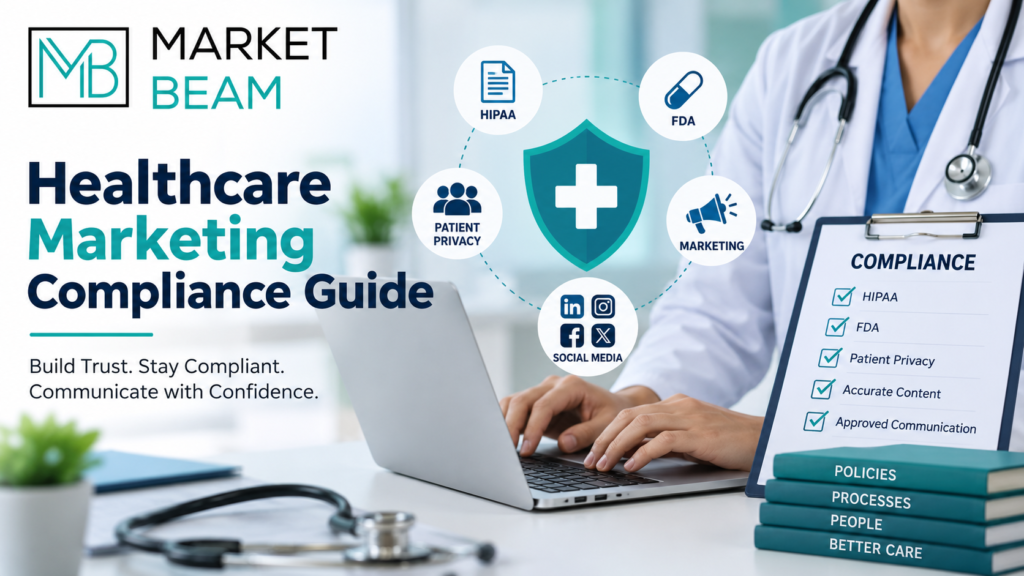
Compliance should be built into omnichannel pharma marketing from the beginning. Pharmaceutical organizations may have established procedures for reviewing claims, promotional materials, educational content, and digital communications.
These procedures should apply across every channel. Adapting content for social media, email, or paid advertising should not remove required review.
Governance also requires clear ownership. Teams should know who creates content, who reviews it, who approves it, and who is responsible for publication.
A centralized content library can help teams work from current compliant content and approved assets. Version control is equally important because changes to approved messaging may require another review.
Post-publication monitoring should also be considered. Organizations can use analytics and listening tools to understand audience response and identify conversations that need additional attention.
Personalization and HCP Engagement
Personalization can make HCP engagement more relevant, but it needs to be handled carefully in a regulated environment.
Different healthcare professionals may have different interests, specialties, and information needs. A cardiologist may respond differently to content than an oncology specialist, for example.
Omnichannel pharma marketing allows organizations to adapt communication based on audience needs and previous interactions. However, personalization should operate within established privacy, compliance, and governance requirements.
The goal is to make communication more useful rather than simply increasing the number of messages.
Marketing teams can analyze engagement patterns to determine which topics, formats, and channels provide the most value to specific audiences. These insights can then inform future campaign planning.
Omnichannel Pharma Marketing Strategy Checklist
| Strategy Area | Recommended Practice |
|---|---|
| Audience Strategy | Define HCP segments and communication needs |
| HCP Journey | Map important touchpoints and stages |
| Channel Orchestration | Coordinate timing and roles across channels |
| Compliant Content | Use approved claims, assets, and messaging |
| Marketing Analytics | Measure performance across the full journey |
| Governance | Define ownership, review, and approval requirements |
| Personalization | Adapt communication while following privacy and compliance rules |
| Optimization | Use performance insights to improve future campaigns |
How MarketBeam Supports Omnichannel Pharma Marketing
MarketBeam helps regulated organizations manage social media and digital communication through centralized publishing, compliance workflows, governance, monitoring, engagement, and analytics.
For omnichannel pharma marketing, this can help teams connect social media activity with broader campaign operations. Marketing teams can manage approved content, coordinate publishing, monitor engagement, and evaluate performance within a more connected workflow.
MarketBeam’s current platform highlights AI-assisted compliance checks, human review, publishing controls, analytics, monitoring, governance, and life sciences capabilities. It also promotes Veeva PromoMats integration for regulated content workflows.
These capabilities can support channel orchestration by giving teams better visibility into content status and publishing activity.
Analytics can then help marketers evaluate which social activities contribute to campaign goals. Monitoring can provide additional context about how audiences respond after publication.
Technology should still complement the organization’s existing regulatory and compliance procedures. Qualified medical, legal, and regulatory teams remain responsible for the final review of applicable communications.
Conclusion
Effective omnichannel pharma marketing connects channels around the needs of healthcare professionals rather than treating every channel as a separate campaign.
By understanding the HCP journey, coordinating channel orchestration, developing compliant content, and using marketing analytics, pharmaceutical organizations can create more relevant and measurable communication programs.
The strongest strategies combine audience insight with structured governance. Clear workflows help teams coordinate content across digital channels while maintaining appropriate review and approval processes.
MarketBeam supports this connected approach through social media management, compliance workflows, publishing, monitoring, engagement, analytics, and governance capabilities for regulated organizations.
Connect With Us
Ready to strengthen your omnichannel pharma marketing strategy?
Sales: sales@marketbeam.io
Tech Support: support@marketbeam.io
Connect with MarketBeam to explore compliant social media management, workflow automation, analytics, publishing, monitoring, and governance for life sciences teams.
Frequently Asked Questions
1. What is omnichannel pharma marketing?
Omnichannel pharma marketing is a coordinated approach that connects multiple communication channels around the needs and journey of healthcare professionals and other target audiences.
2. What is the HCP journey?
The HCP journey describes the different stages and interactions a healthcare professional may experience while discovering, evaluating, and engaging with information from a pharmaceutical company.
3. What is channel orchestration?
Channel orchestration is the process of coordinating content, timing, and communication across different marketing channels so they work together as part of one campaign strategy.
4. Why is compliant content important?
Compliant content helps pharmaceutical organizations ensure that communications follow applicable requirements, approved messaging, and internal review procedures across social media and other digital channels.
5. How does marketing analytics improve omnichannel campaigns?
Marketing analytics helps teams compare channel performance, understand audience behavior, measure campaign outcomes, and identify opportunities to improve the overall HCP experience.
6. How does MarketBeam support omnichannel pharma marketing?
MarketBeam provides social media management, compliance workflows, publishing, monitoring, engagement, analytics, and governance capabilities that can help regulated organizations coordinate digital communication within a more structured workflow.